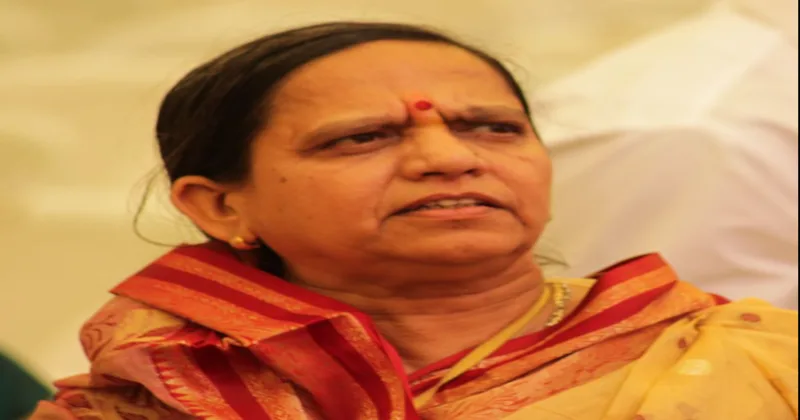
NEW DELHI: According to family and organisational sources, Rekha Rajé was a native of Kanpur and had been actively involved in social and nationalist movements from an early age. During the The Emergency in India (1975–77), she participated in satyagraha in Kanpur and played a prominent role in mobilising women in the protest movement.
Inspired by Ashok Singhal and Sindhutai Phatak, she later became a full-time pracharaka of the Rashtra Sevika Samiti, dedicating her entire life to organisational work and choosing to remain unmarried in service of the nation.
Over the years, Rekha Tai held several key organisational responsibilities, including Delhi Prant Pracharika, North Zone Pracharika, Akhil Bharatiya Pracharika Pramukh, and Akhil Bharatiya Sah-Sarkaryavahika. For many years, she worked from Jalandhar as the centre of activities while expanding the organisation’s reach across the northern region of India.
Sources also recalled her role in assisting and protecting Hindu families and young women during periods of unrest in Kashmir, where she was involved in relief and support activities. She was also known for working with families to bring back girls who had allegedly been trapped in cases related to so-called “love jihad”.
Her mortal remains will be brought to her residence in Kanpur on Monday, March 16, where people will be able to pay their final respects from 4 pm. The funeral procession will later proceed to Bhairav Ghat for the last rites.
Leaders and members of the Rashtra Sevika Samiti and other social organisations have expressed deep condolences, remembering her as a dedicated worker who devoted her entire life to social service and organisational work.