LUCKNOW: The Uttar Pradesh government has taken another step toward strengthening urban infrastructure by allocating Rs 425 crore for the development of new townships in eight cities across the state. The initiative will be implemented under the Chief Minister New Township Scheme and it aims to promote planned urban growth, improve housing facilities in emerging urban centres. The cities selected for the project are Bareilly, Varanasi, Orai, Chitrakoot, Banda, Pratapgarh, Ghazipur and Mau. These locations have been selected on the basis of their growing population, development potential, and increasing demand for better housing and civic infrastructure.
Urbanisation in Uttar Pradesh has been increasing steadily over the past decade. As more people move to cities in search of employment, education, and improved living conditions, the demand for planned housing and basic infrastructure has also gone up rapidly. The state government’s new township initiative has been designed to address these challenges by creating organised residential areas that are equipped with modern facilities.
As per officials, the Rs 425 crore allocation will act as seed capital, which will be primarily used to support land acquisition for the township projects. Under the scheme, the government can provide financial assistance of up to 50 per cent of the expenditure incurred on land acquisition. This support will be available for up to 20 years, enabling development authorities to easily implement large-scale housing projects. By reducing the financial burden on local development agencies, the scheme is expected to accelerate the planning and execution of township projects across Uttar Pradesh.
https://twitter.com/_investup/status/2031641344528027857?s=48 )
The proposal for the new townships was submitted to the state government by various development authorities responsible for urban planning in their respective cities. These authorities will oversee the design, planning, and implementation of the projects. Their responsibilities will include identifying suitable land parcels, preparing master plans, and ensuring that the townships include essential urban amenities such as roads, water supply systems, drainage networks, parks, schools, healthcare facilities, and commercial areas. The goal is to create self-sufficient urban neighbourhoods where residents of respective cities will have access to basic services within a well-planned environment.
While large cities like Lucknow and Noida have already witnessed rapid urban development in recent years, many medium-sized cities in Uttar Pradesh are also experiencing steady growth. However, these cities often lack the planned infrastructure which is needed to accommodate expanding populations. Thus, by targeting cities such as Bareilly, Banda, and Ghazipur, the government under CM Yogi is trying to ensure that the development is not limited to major metropolitan centres but also reaches smaller urban hubs.
For example, Varanasi, one of the oldest continuously inhabited cities in the world, has seen significant infrastructure growth in recent years due to tourism, religious activities, and urban modernization projects. Similarly, Bareilly has emerged as an important commercial centre in western Uttar Pradesh. Cities such as Banda and Chitrakoot, located in the Bundelkhand region, are also being included in development initiatives to promote balanced regional growth.
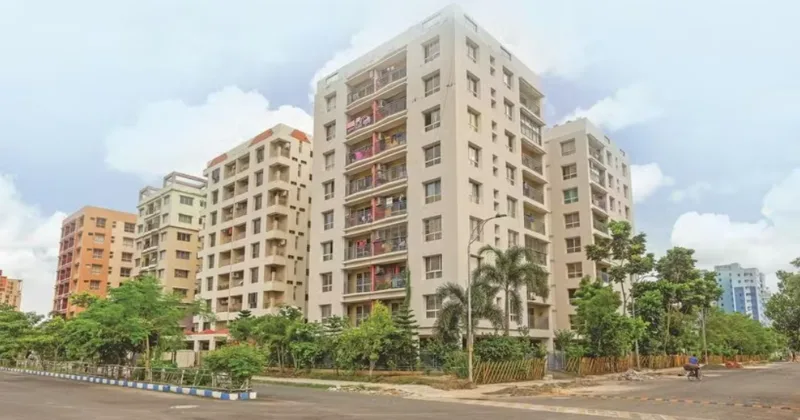
One of the key objectives of the Chief Minister’s New Township Scheme is to increase the availability of affordable and planned housing. As urban populations rise, unplanned settlements and overcrowded neighbourhoods often emerge, creating challenges related to sanitation, traffic congestion, and public services. The development of new townships can help address these issues by offering organised residential areas with proper infrastructure. Such townships typically include wide roads, green spaces, community facilities, and commercial zones that support daily life.
Large infrastructure projects like township development also generate economic activity and employment opportunities. Construction work, infrastructure development, and real estate growth can create jobs for local workers, engineers, architects, and contractors. Additionally, once the townships are established, the presence of markets, educational institutions, healthcare centres, and service industries can contribute to long-term economic development in the region.
The Uttar Pradesh government is focusing on multiple cities to ensure balanced regional development. Instead of concentrating all development efforts in a few major cities, the initiative will strengthen urban infrastructure across different regions of the state. This approach can help reduce migration pressure on large metropolitan areas by providing better opportunities and living conditions in smaller cities.