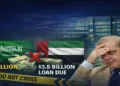
Islamabad: The escalating conflict in West Asia has severely shaken the foundations of Pakistan’s fragile economy. The sharp rise in global crude oil prices following the war has delivered a heavy blow to Pakistan, a country already struggling with mounting debt, persistent inflation, and a fragile financial system. As global oil prices surge, the Pakistani government has come under intense criticism from industrial and commercial sectors for implementing steep fuel price hikes under pressure from the International Monetary Fund (IMF). Business leaders and economic observers have warned that the latest increase will worsen inflation and deepen economic hardship for ordinary citizens.
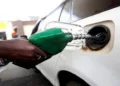
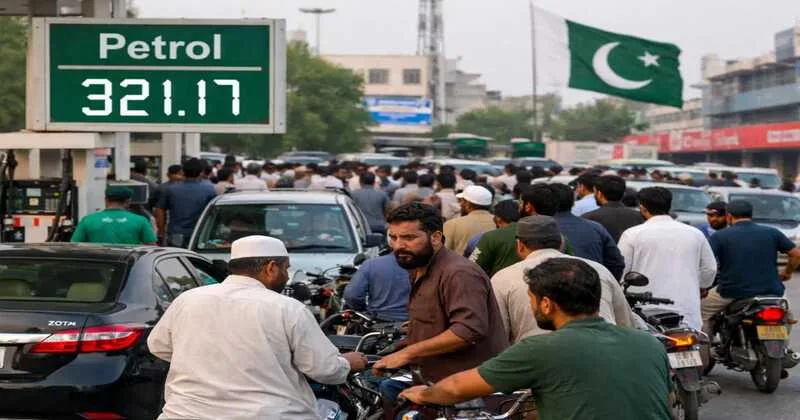
Pakistan recently raised petrol prices by an unprecedented 55 Pakistani rupees per litre in a single move. With this increase, the price of petrol has reached 321.17 Pakistani rupees per litre, marking the largest fuel price hike in the country’s history. The decision has triggered strong protests and criticism across the country. Industrialists and traders accuse the government of yielding too quickly to IMF conditions while failing to protect businesses and consumers from the cascading effects of rising energy costs.
Petroleum Minister Ali Pervez Malik stated that Pakistan currently has enough fuel stock to last for 28 days and that three oil tankers carrying additional supplies are expected to arrive soon. Despite these assurances, the sharp rise in prices has angered both businesses and consumers who fear further economic instability. The minister also said the government would approach the IMF to request relaxation of restrictions related to petroleum pricing. However, the scope for relief appears limited as Pakistan continues to depend heavily on international financial assistance.
With global crude oil prices crossing $110 per barrel due to the escalating regional conflict, Pakistan’s oil import bill is expected to rise sharply. Officials estimate that the country will have to pay an additional $600 million, approximately 5,000 crore rupees, on energy imports in the coming months.
Protests, fuel shortages and rising inflation
The fuel price increase has triggered widespread protests and public anger. In several cities, long queues of vehicles have been seen outside petrol pumps as motorists rush to secure fuel supplies amid fears of further price hikes.
Authorities have warned that strict action will be taken against traders and distributors found hoarding petroleum products. The government fears that artificial shortages could worsen the crisis and further fuel inflationary pressures. The increase in fuel prices is expected to trigger a sharp rise in the cost of transportation, food, and other essential commodities. Economists warn that the ripple effect will deepen inflation, which has already been eroding purchasing power for years. Pakistan’s financial markets have also reacted sharply to the worsening situation. The benchmark KSE-100 index of the Pakistan Stock Exchange (PSX) plunged by 13,157 points, representing an 8.35 per cent drop in a single trading session.
The market experienced such severe volatility that trading had to be halted during the first hour as losses mounted rapidly. Although trading later resumed, the market still recorded a massive decline of nearly 10,000 points by the end of the session, reflecting investor fears about the country’s economic stability.
Government announces emergency austerity measures
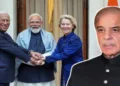
Amid the growing crisis, Pakistan’s Prime Minister Shehbaz Sharif announced a series of emergency measures aimed at reducing fuel consumption and government expenditure. In a televised address to the nation on Monday, Sharif said the government had been forced to take difficult decisions to stabilise the economy as the ongoing Israeli-U.S. war with Iran threatens global energy supplies. Pakistan imports most of its energy needs, making the country highly vulnerable to fluctuations in global oil prices. The current surge in prices has placed immense pressure on government finances and foreign exchange reserves. “To stabilise the economy we have taken difficult decisions,” Sharif said, adding that the government was trying to minimise the burden on citizens even though it had little control over international fuel prices.
As part of the austerity measures, schools across Pakistan will remain closed for two weeks beginning next week. Universities will switch to online classes in order to reduce travel and fuel consumption. Government departments will also face a 50 per cent reduction in fuel allowances for the next two months. Additionally, 60 per cent of official vehicles, excluding buses and ambulances, will be taken off the roads to conserve fuel. The prime minister further announced that only half of government employees would work from offices, except those in essential services. Government offices will operate only four days a week during the crisis.
The government has also introduced strict spending controls. Departmental expenditures will be reduced by 20 per cent, while the purchase of vehicles, air conditioners and furniture has been banned for the time being.
In addition, most foreign travel by ministers and government officials will be restricted as part of the broader effort to reduce expenses. Pakistan imports a majority of its energy requirements, which makes its inflation rate highly sensitive to global oil prices. The country’s central bank earlier warned that rising energy prices linked to the West Asian conflict have significantly increased uncertainty surrounding the inflation outlook. Despite the worsening economic conditions, the central bank decided to keep its policy interest rate unchanged at 10.5 per cent.
With fuel prices soaring, inflation expected to rise further, and financial markets under pressure, Pakistan now faces a deepening economic crisis triggered by the escalating war in West Asia.