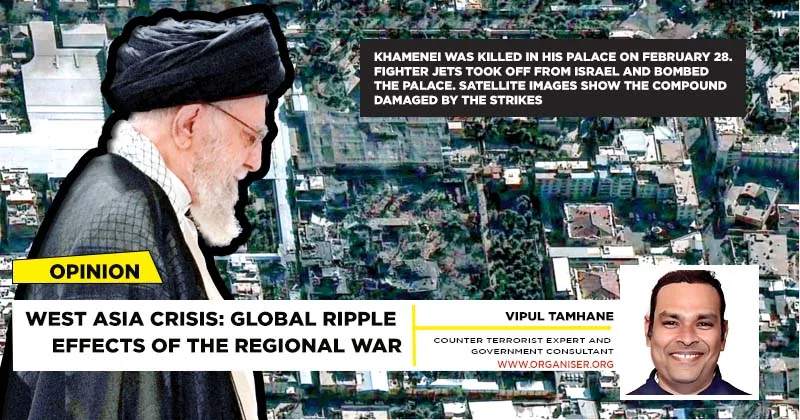
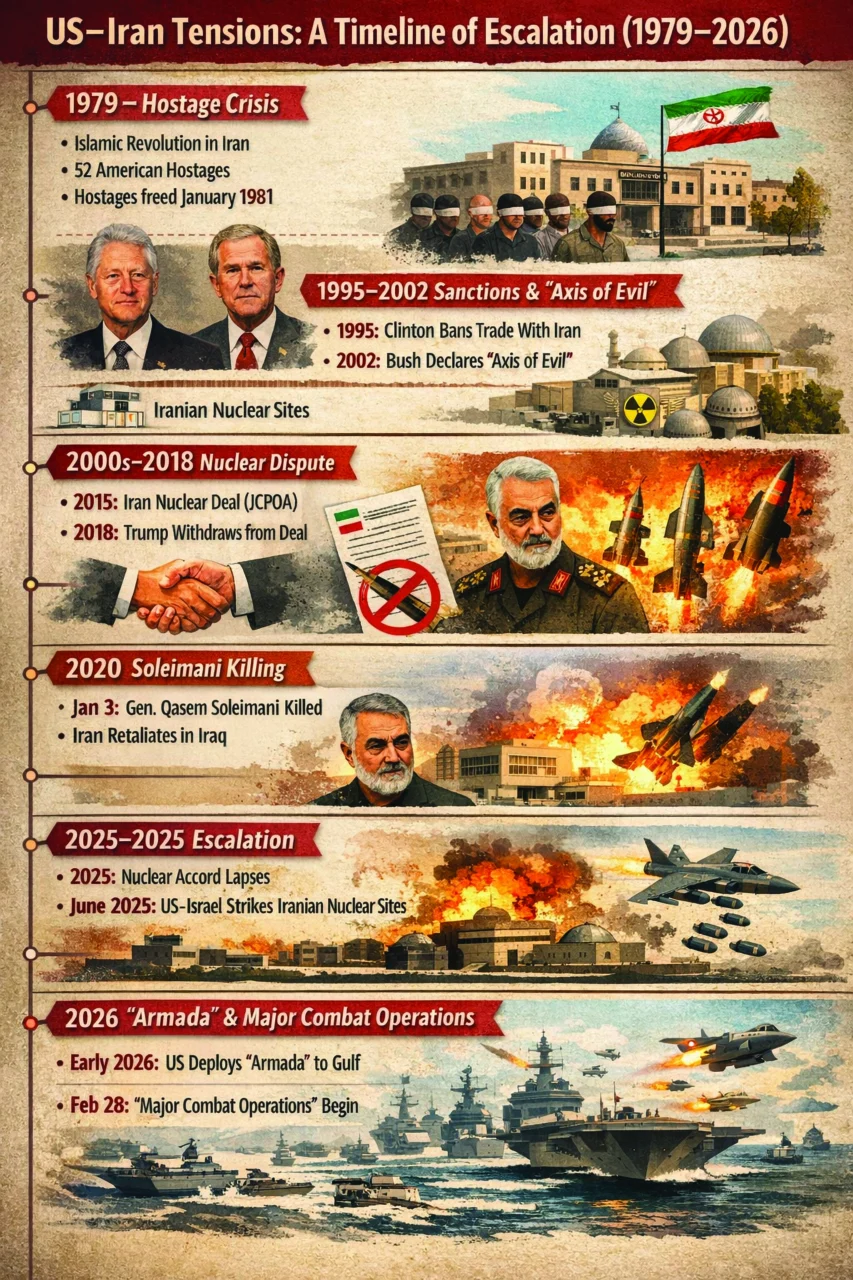
In the past few days of February 2026, after US and Israeli forces struck targets far within Iranian territory, more than battlefield lines shifted. This joint operation shattered a core assumption underpinning global state behaviour. Iran’s Supreme Leader perished alongside top commanders – then came volleys of missiles arcing over the Persian Gulf. Chaos gripped shipping lanes due to disruptions in the Strait of Hormuz, while shadow units stirred in Sanaa, Beirut, and beyond. These events of coercive diplomacy do not form an isolated flare-up driven by logic of deterrence; instead, they mark a break in systemic order, one that echoes through trade hubs in East Asia and negotiation rooms at Turtle Bay, influencing strategic choices in Pyongyang to calibrate the from nuclear calculus, just as much as alignment debates in South Asia. Viewing what unfolded solely through the lens of weapons containment risks missing its true weight.
Collapse of Escalation Guardrails
Over years, tension among Washington, Jerusalem, and Tehran followed quiet boundaries – hidden interference, strict penalties, indirect battles, then measured responses. Not clarity but uncertainty kept conflict from becoming war: denial allowed, caution practiced. The blows of 2026 broke that understanding. Striking to remove a national leader is not intensification, it ends the prior order entirely.
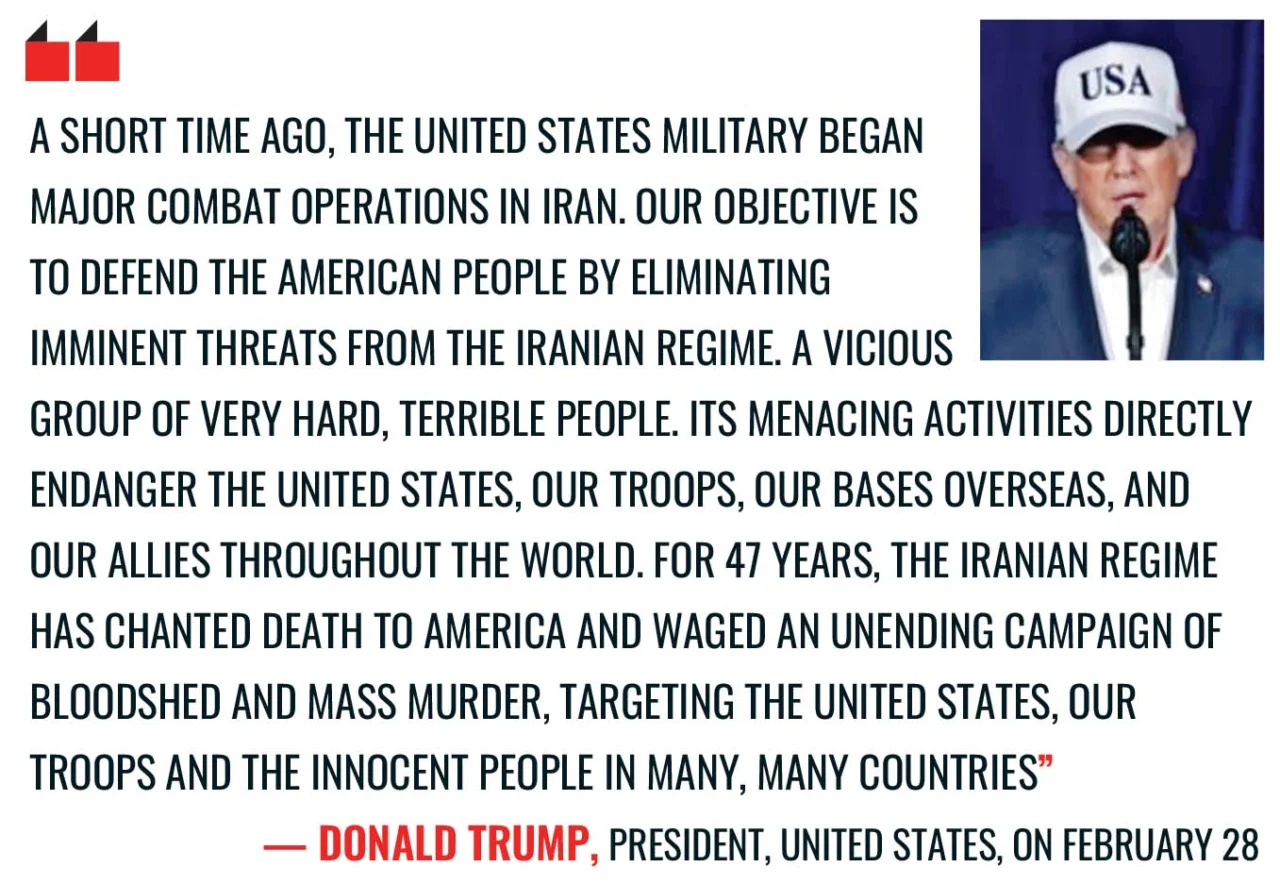
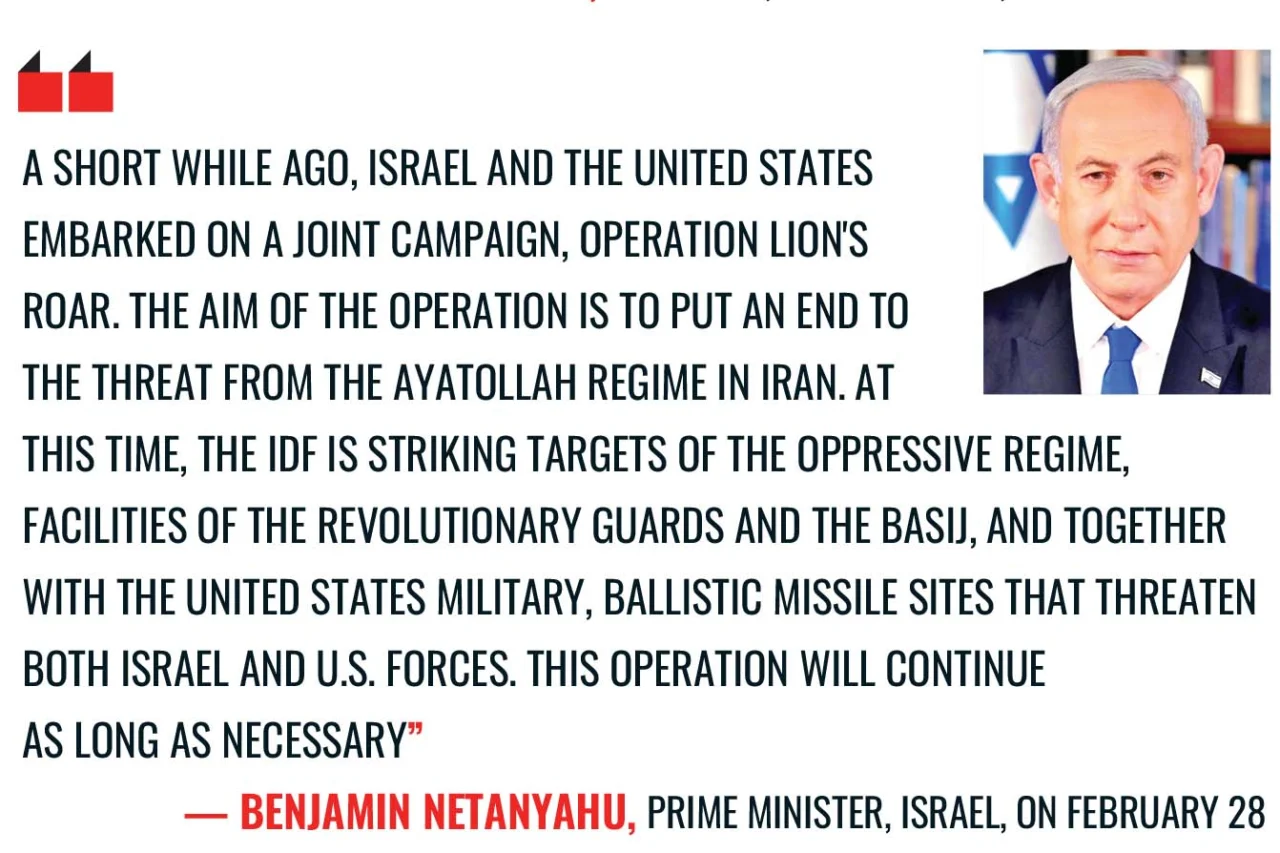
Predictably structured effects emerge despite tactical ambiguity. Retaliation by Iran at U.S. facilities in Bahrain, then Qatar, followed by Kuwait, reflects intent, expanding burdens across partners, involving Gulf states directly, pressuring extended military reach, while communicating clearly: conflict extends beyond national borders. What unsettles further emerges from structural fragmentation, removing clerical leadership hierarchies might loosen control over allied armed groups such as Hezbollah, Iraq’s Popular Mobilisation Units, Houthi factions. Strikingly, removing centralised authority could spread threats wider, sustain them longer, complicate diplomacy unexpectedly.
Chinese air defence failed again!
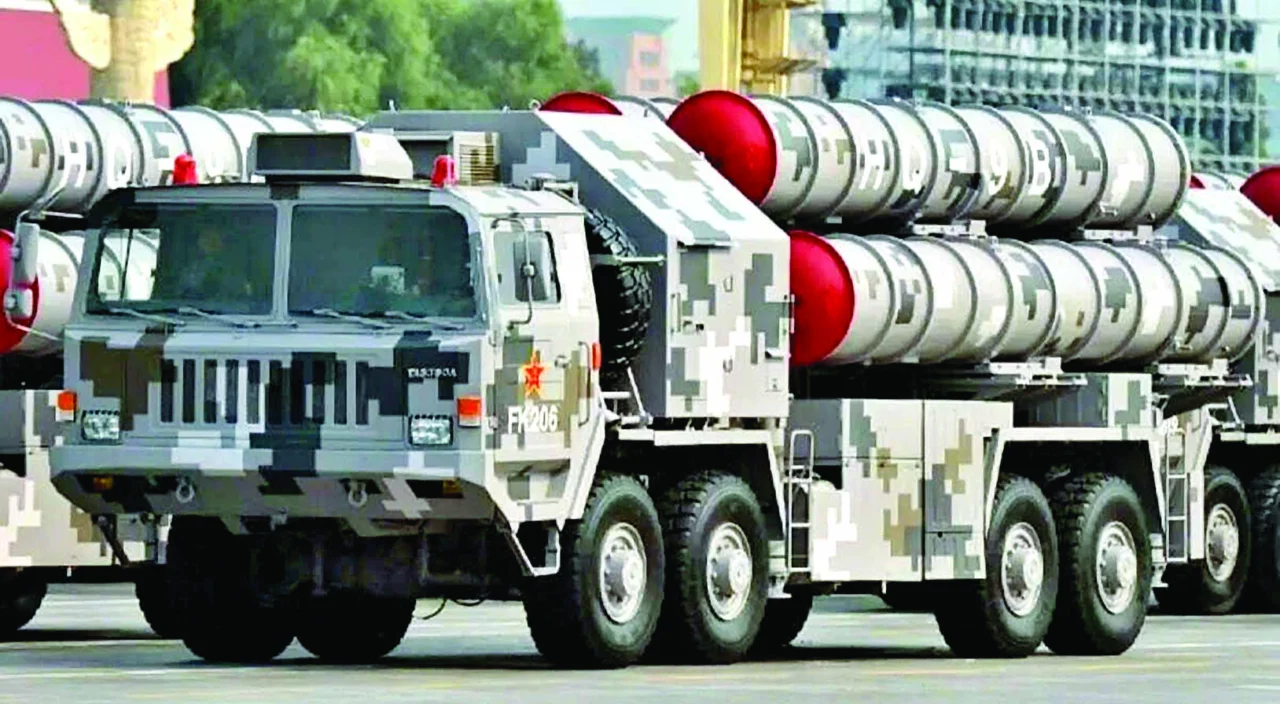
From Pakistan to Venezuela to Iran, Chinese air defence systems have failed at every place against air strike. Now in massive airstrikes conducted by the US and Israel across Iran’s 20 provinces have again raised spotlights over the Chinese-origin HQ-9B long-range surface-to-air missile system that Iran is believed to have recently acquired. The air strikes hit several Iranian prime targets including the compound of supreme leader Ayatollah Ali Khamenei and nuclear facility. Iran deployed the Chinese air defence system on Iranian nuclear sites but was unable to protect the important installations at the site. This is not the first time when the sub standard of the Chinese air defence system has been exposed during an air combat. Earlier last year, Indian Air force neutralised several HQ-9 air defence batteries during Operation Sindoor.
A troubling echo appears in past events. When Saddam fell, and Iraq split apart. After Libya collapsed, armed groups multiplied. Such outcomes show how removing leaders seldom brings calm. Instead, different forces pull at the edges. In Iran, divisions along ethnic lines create similar strains, with Kurds in the northwest, Baloch people in the far southeast, Arabs concentrated in Khuzestan. These layers of difference resist outside prediction or influence. Should its central authority weaken, consequences would ripple outward. Displacement would grow. Zones without rule might emerge. Armed factions could spread through Central Asia, into the Caucasus, across Gulf regions. This lasting disorder would exceed what followed the Middle Eastern upheavals after 2003.
Weaponisation of Geoeconomics
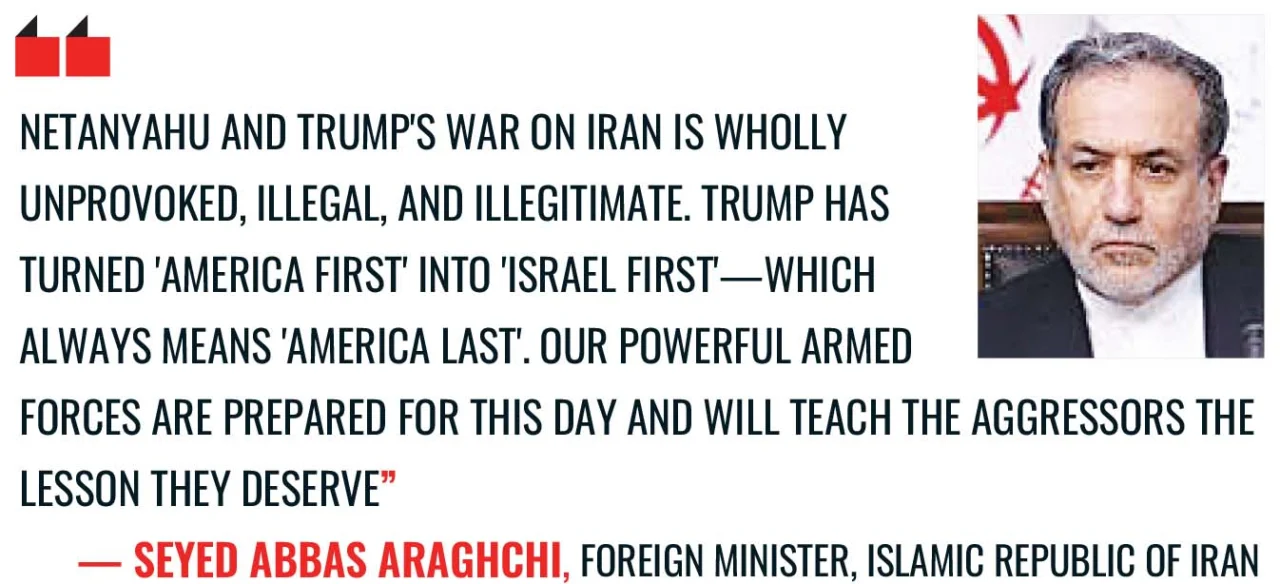
One out of every five barrels of oil traded worldwide moves through the Strait of Hormuz. Should flow cease inordinately, consequences extend far beyond local waters, sending global economic shockwaves. Recently, prices for Brent crude shifted abruptly. Because of uncertainty, costs to insure tanker voyages climbed rapidly. Now under review are paths taken by oil tankers. In regions reliant on imported fuel, across parts of Europe, South Asia, and East Asia, the conflict adds pressure where systems were already stretched thin after global health crises and rising prices.
Not just energy markets bear the impact. Renewed instability affects the Red Sea passage, where persistent Houthi actions continue. Air routes and finance flows through Dubai and Doha encounter disruptions, including diversions and shutdowns. Underlying fragility emerges, while hyperglobalisation masked how tightly trade relies on limited geographic gateways. Now, one regional clash radiates economic tremors worldwide, matching the speed once seen when monetary upheavals spread via capital networks. For nations, the takeaway remains etched in stone, i.e. economic strategies now intertwine with physical warfare. Not separated by distance or design, trade routes, power flows, and sea lanes become tools alongside tanks and troops. Because of this blend, governments act; shifting suppliers, stockpiling fuel, building backup paths, moving faster on green energy, not driven by planet concerns but survival leverage. An unexpected result emerges, as the conflict involving Iran might push shifts in energy use that years of global talks failed to achieve. Emergency meetings convened at the United Nations Security Council. As predicted, little came of them. Veto paralysis, the council’s long-standing flaw resurfaced, power held by a few blocked collective motion precisely when decisions were urgent. This repetition grows tiresome; examples stretch from Gaza through Ukraine now into the Gulf. Where major states withhold consent, international bodies find their roles reduced, functioning solely at the tolerance of dominant actors.
Unprecedented chaos
Numerous airlines cancelled international flights to Dubai through the weekend, as India’s civil aviation agency designated much of the Middle East – including skies above Jordan, Saudi Arabia and Lebanon – as a high security risk zone at all altitudes.
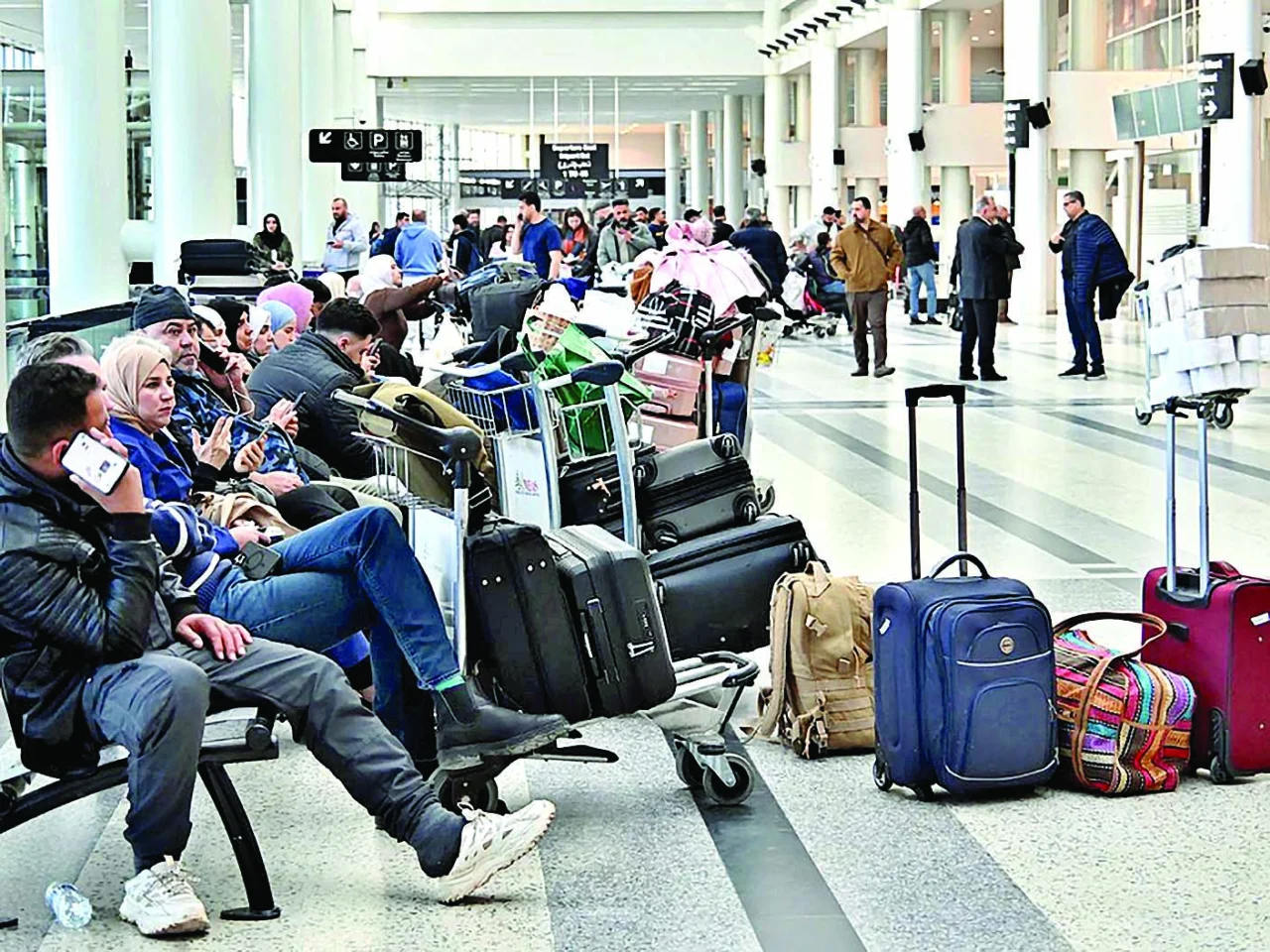
- Air India cancelled all flights to Middle East destinations, as well as some other destinations including London, New York and Paris.
- Turkish Airlines said flights to Lebanon, Syria, Iraq, Iran, Jordan, Qatar, Kuwait, Bahrain, the United Arab Emirates and Oman were suspended.
- US-based Delta Air Lines and United Airlines suspended flights to Tel Aviv
- Lufthansa suspended services to and from Tel Aviv, Beirut and Oman
- Pegasus Airlines has cancelled all services to Iran, Iraq, Jordan and Lebanon.
- Airlines including Air France and Transavia cancelled all flights to Lebanon, while American Airlines suspended flights from Philadelphia to Doha.
- Virgin Atlantic said it would avoid flying over Iraq, meaning flights to and from India, the Maldives and Riyadh could take slightly longer. The airline was already not flying over Iran and said all flights would carry appropriate fuel in case they need to reroute on short notice.
- British Airways said flights to Tel Aviv and Bahrain would be suspended until next week
- Wizz Air has suspended all flights to and from Israel, Dubai, Abu Dhabi and Amman until March 8
- LOT suspended flights to Tel Aviv until 15 March, and cancelled flights to Dubai and Riyadh until Monday.
- Air Canada cancelled flights to Dubai and Israel
- Aegean Airlines, Greece’s largest carrier, suspended flights to and from Tel Aviv, Beirut and Erbil
- Air Astana has cancelled all flights to the Middle East
- Iran swiftly closed its airspace as the strikes began “until further notice”, according to its Civil Aviation Organisation.
- Israel also closed its airspace to civilian flights, the transport minister, Miri Regev, announced
- Qatar’s civil aviation authority said it had temporarily closed the Gulf state’s airspace
- Iraq shut down its airspace
- The United Arab Emirates said it was closing its skies
Not institutional collapse but the emerging standard matters most. Because Washington and Jerusalem called the strikes essential to stop Iranian nuclear advancement, their timing – amid active talks – raised questions. What circulates in many Global South capitals goes beyond seeing dialogue discarded; there is instead a sense it was used, carefully kept visible to soften backlash even as force plans moved ahead on another track entirely.
Such views hold deep institutional influence. When influential nations apply military power without wide collective agreement, principles around territory and non-interference slowly weaken. From this, smaller countries draw a clear lesson – safety assurances may lapse; acting alone becomes logical; protection through strength becomes essential. The framework of global relations since 1945, previously stressed by events in Ukraine and Gaza, now faces yet another foundational test.
Nuclear Proliferation Dilemma
What matters most about the 2026 conflict might show up far beyond the Gulf, shaping how distant governments weigh nuclear choices. Seen one way, the pattern unsettles expectations: Iran, close to a bomb but without one, faced attack. Meanwhile, North Korea, armed and proven, avoided military response. From such contrasts emerges a message hard to ignore, having weapons brings safety; being near them does not. For nations considering pursuit, the lesson arrives unspoken yet clear. The US-Israel alliance is on a tiger-ride, as failure in changing the regime will result in definite nuclear armament of Iran, making the regional order unstable.
Disruption in Global Shipping
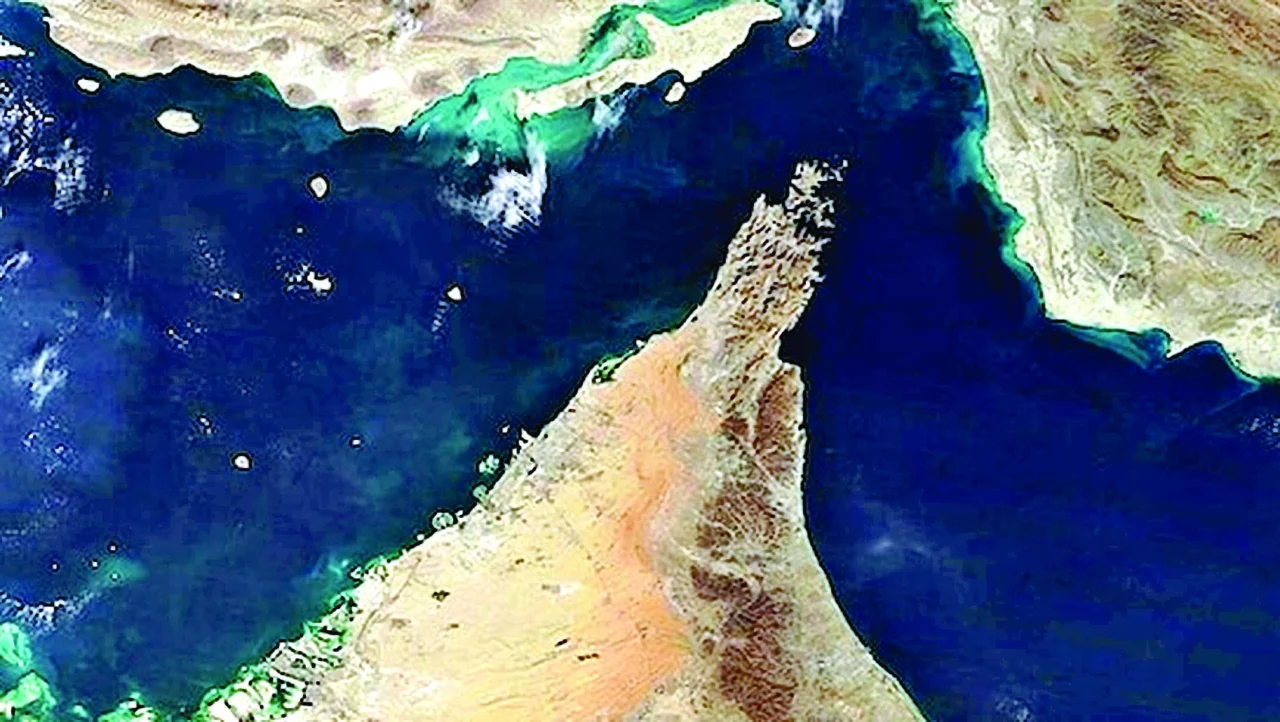
In the wake of Iran’s IRGC closing strait of Hormuz, insurance companies are cancelling war risk coverage for vessels in the Gulf as the spreading Iran conflict disrupted shipping, leaving at least many tankers damaged, a seafarer killed, and 150 ships stranded around the Strait of Hormuz. Shipping through the strait between Iran and Oman, which carries around one-fifth of oil consumed globally as well as large quantities of gas, has ground to a near halt after vessels in the area were hit as Iran retaliated to US and Israeli strikes. The disruption and fears of prolonged closure have caused oil and European natural gas prices to jump, with Brent crude futures up more than 7 per cent as the conflict triggered multiple oil and gas shutdowns in the Middle East.
A shift like this might speed up nuclear hedging in unstable areas. Because of altered strategic thinking, countries in West Asia could reconsider civilian nuclear programmes. While managing broader global demands, U.S. alliances face deeper doubts, this affects how East Asian nations view their protection. Under pressure for some time, the Non-Proliferation Treaty now struggles with trust. Its core agreement appears increasingly unbalanced, as non-armed states abstain from weapons while expecting security and reductions from those who possess them.
Now exposed, the intricate weave of current alliances shows more than meets the eye. While calling for calm in public, Gulf rulers quietly assist in defence efforts, shooting down Iranian missiles aimed at U.S. bases within their borders. Not belief, but balancesheets guide them: staying safe and keeping economies steady depends on sustained U.S. protection. Behind closed doors, they tally expenses tied to a war not theirs, yet unavoidable. What remains unchanged is reliance, as a silent equation shaped by threat and necessity.
Months of calculated Planning
The attack that killed Iran’s Supreme Leader Ayatollah Ali Khamenei was planned many months back. The US and Israel decided to take advantage of a piece of crucial intelligence to eliminate Khamenei. According to reports, for months, they had been watching for a moment of opportunity when senior Iranian figures might be meeting and they learnt Khamenei was going to be at a compound in central Tehran on Saturday morning. They also had a fix on the location of other senior military and intelligence figures meeting at the same time. For months, the US and Israel had been tracking the supreme leader’s movements by hacking CCTVs cameras
The Russian and Chinese governments denounce the airstrikes yet they choose not to participate in meaningful military operations. Moscow, which faces its own military battles and lacks sufficient resources, is powerless to achieve desired results. The Chinese Government prefers to maintain unstable conditions because it enables them to avoid making commitments required for complete control of their operations. The upcoming decade will experience a structural paradox which establishes American military strength as unshakeable yet shows mounting challenges to its recognised authority. China wants to become a worldwide power but she stops short of taking on all the responsibilities that come with that role. The situation lacks power, yet it exists as a conflict about who gets to share control.
End of Isolated Crises
A test unfolds in 2026, centered on Iran, challenging today’s global framework, its initial outcomes bring little comfort. Energy instability appears alongside cautious moves toward nuclear capability, shifts in strategic partnerships emerge, while established bodies stall; these do not stand apart but link tightly, signs of an order shifting under growing pressure. Built after 1945, the prior design relied on structured dialogue, some consistency between major states, along with mutual restraint when rivalry threatened collapse. Now, each foundation wavers, uncertain, fraying at the edges.
Sunni West Asian countries Vs Shia Iran
In the ongoing regional conflict that began on 28 February 2026, Iran has launched retaliatory missile and drone strikes against several countries in the Middle East and surrounding areas. These attacks have primarily targeted U.S. military assets, diplomatic facilities, and allied infrastructure. Countries and Regions Attacked (2026 Conflict)
- Israel: Targeted with numerous ballistic missiles and drones, specifically hitting residential areas in Tel Aviv and a synagogue in Beit Shemesh.
- United Arab Emirates (UAE): Targeted with over 800 projectiles. Strikes hit the US Consulate in Dubai, Dubai International Airport, and the Fairmont The Palm hotel.
- Bahrain: Home to the US Navy’s 5th Fleet headquarters in Manama, which has been hit multiple times. Strikes also damaged the Crowne Plaza Hotel.
- Kuwait: Iranian missiles and drones targeted the Ali Al Salem Air Base and the US Embassy in Kuwait City.
- Qatar: Specifically targeted the Al Udeid Air Base (the largest US base in the region) and energy facilities in Mesaieed Industrial City.
- Iraq: Strikes targeted the Erbil International Airport and US Consulate in Erbil, as well as anti-Iran Kurdish groups in northern Iraq.
- Saudi Arabia: Reported drone and missile attacks on the US Embassy in Riyadh, King Abdulaziz Air Base, and Ras Tanura oil refinery.
- Oman: Drones targeted Duqm Port and several commercial tankers in Omani waters.
- Jordan: Intercepted approximately 49 drones and missiles that entered its airspace; debris caused damage in several areas.
- Cyprus: A UK Royal Air Force base at Akrotiri was targeted by drone strikes.
Expectation of disorder may miss the mark; global ties remain tightly woven, shaping strong reasons to hold back. Fragmentation instead takes shape, while authority spreads thin, risks bloom in many places, old frameworks slowly lose their grip on unpredictability. In reaction, countries lean toward cautious alliances, strengthen internal capacity, spread sources of supply, while stepping away from reliance on one route, protector, or standard.
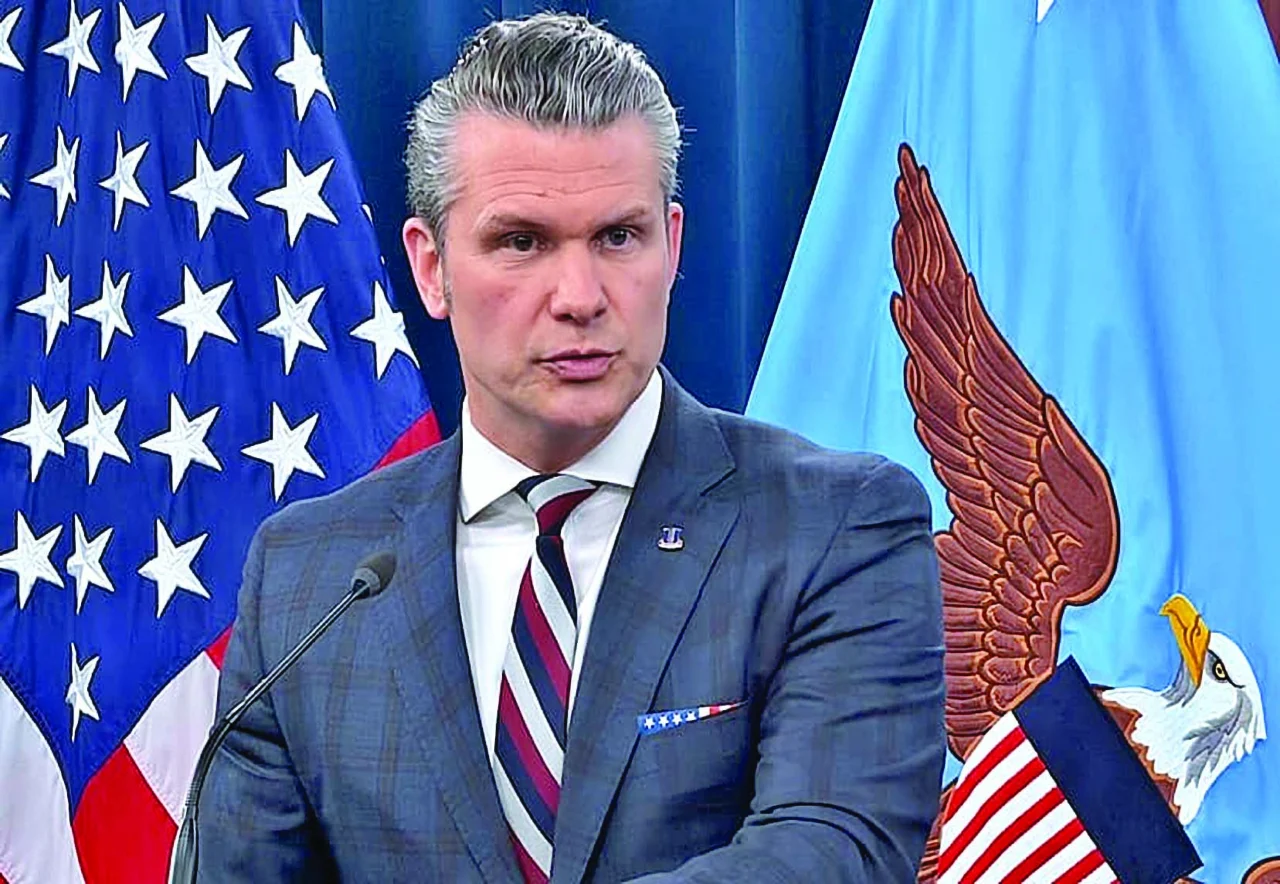
“In the Indian Ocean—an American submarine sunk an Iranian warship, that thought it was safe in international waters. Instead, it was sunk by a torpedo—Quiet Death. The first sinking of an enemy ship by a torpedo since World War 2. Like in that war—back when we were still the War Department—we are fighting to win”: -Pete Hegseth, Secretary of War, US on March 4
Among insights drawn, this stands out to observers of global affairs: when conflict emerges near key energy routes, consequences unfold far beyond the region. Though such shifts were anticipated long before recent hostilities, momentum now feels unmistakable. A single act of aggression can unsettle financial centers distant from battle lines. While tensions centered on Tehran did not initiate broader realignments, they contributed force to changes already under way. Interpretation of these events will occupy analysts for decades. What was once theoretical discussion now appears as observable reality. Influence spreads not just by design, but through ripple effects few predicted.