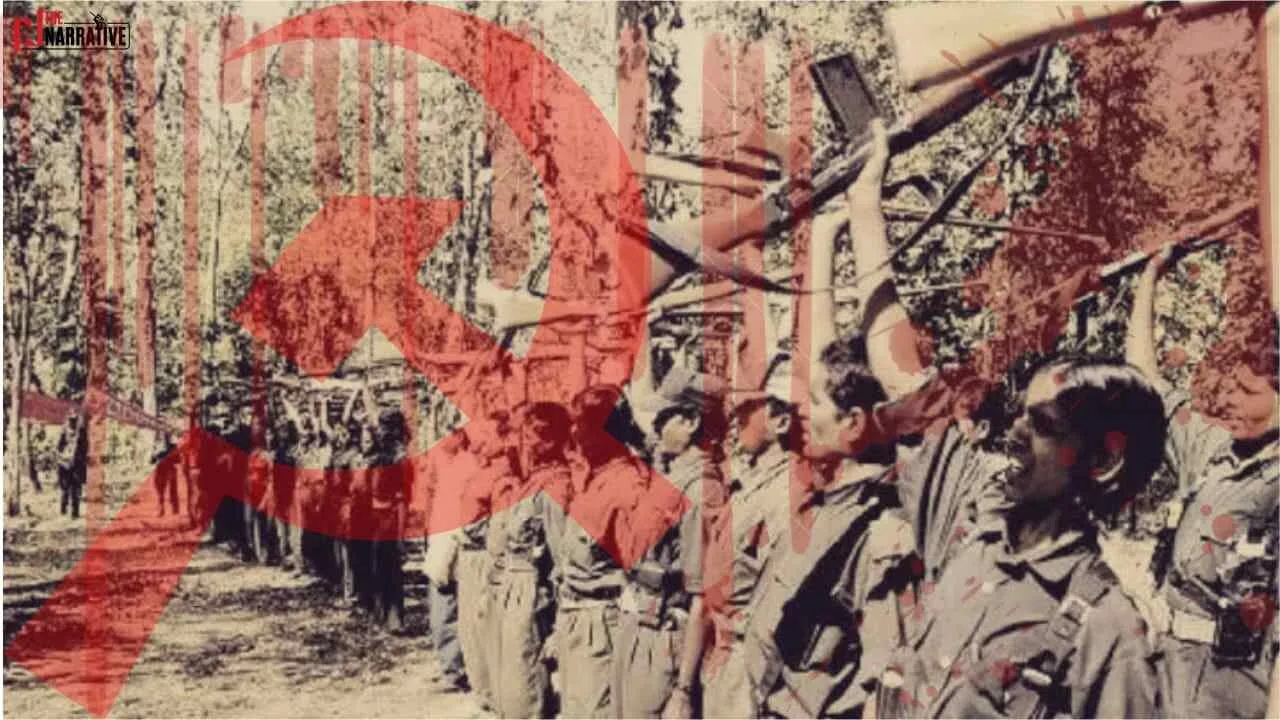
The Rani Bodli massacre of March 2007 remains one of the most devastating attacks on Indian security forces in the country’s modern internal security history. The assault occurred in the remote Bastar region of southern Chhattisgarh and turned what had been a festive atmosphere following Holi into a night of unimaginable violence. The timing of the attack, coming immediately after the festival of colors, was not accidental. It was carefully calculated by Maoist insurgents who understood that the celebrations might temporarily lower vigilance among security personnel and create an atmosphere of relative relaxation. By striking at such a moment, the attackers amplified both the tactical success of the operation and the psychological shock across the nation.
Bastar, where the Rani Bodli camp was located, is a vast and heavily forested region that has long been considered one of the strongest bases of Maoist insurgency in India. Thick forests, steep hills, and a maze of rivers create a landscape that is extremely difficult for conventional security forces to navigate. The dense terrain provides ideal cover for guerrilla fighters who can move swiftly and disappear into the forest after launching attacks. In districts like Dantewada, where Rani Bodli is situated, the geographical isolation and weak communication infrastructure further complicated security operations. Camps were often cut off from immediate reinforcements, and difficult road networks meant that help could take hours to arrive. These structural vulnerabilities made remote security installations particularly susceptible to large-scale insurgent assaults.
In the days leading up to the massacre, the atmosphere in the region had been relatively calm as security personnel joined local tribal communities in celebrating Holi. Such celebrations often served as an opportunity to strengthen trust between the security forces and the local population. Officers and Special Police Officers participated in traditional festivities, shared meals, and interacted with villagers in an effort to build confidence and cooperation. However, these interactions also inadvertently created a moment of tactical vulnerability. After the celebrations, fatigue among personnel and the relaxed mood typical of post-festival nights resulted in a temporary dip in alertness. Maoist insurgents had carefully observed these patterns and used them to plan the timing of their attack.
During the early hours of March 15, 2007, a massive contingent of Maoist fighters launched the assault on the Rani Bodli police camp. Estimates suggest that between five hundred and seven hundred cadres participated in the operation. Many of them belonged to the armed wing of the insurgent movement, the People’s Liberation Guerrilla Army (PLGA). Among the attackers were also several female fighters, highlighting the structured and organised nature of Maoist military units in the region. The scale and coordination of the operation demonstrated how the insurgents had evolved from conducting small ambushes to organising large, highly synchronized attacks on fortified positions.
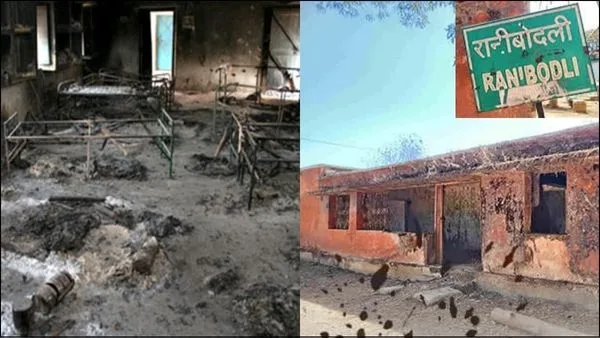
The Rani Bodli camp itself housed seventy-nine personnel at the time of the attack. This included sixteen members of the Chhattisgarh Armed Force and sixty-three Special Police Officers who had been recruited locally. Many of these SPOs were tribal youth familiar with the terrain and local languages, making them valuable assets in counter-insurgency operations. The camp played an important role in maintaining state presence in the area and in supporting operations aimed at reclaiming territory from Maoist influence. However, the infrastructure of the camp was basic. Barracks were constructed largely from bamboo and wood, which offered little protection against fire or explosives. Communication facilities were limited, and the camp’s isolation made it difficult to coordinate rapid reinforcement in case of a major attack.
The attack on Rani Bodli was the culmination of months of careful planning by Maoist leadership. Intelligence assessments later revealed that insurgent commanders had held secret meetings during January and February 2007 to plan a series of aggressive operations aimed at demonstrating their strength. These discussions were part of a broader strategy to expand the reach of the insurgency and increase pressure on security forces across central India. By the time the Rani Bodli assault was executed, Maoist units had already conducted reconnaissance of the camp and surrounding villages. They were aware of the camp’s layout, the number of personnel stationed there, and the patterns of movement of security forces in the area.
The broader political and strategic context also played a role in motivating the attack. Just days earlier, Maoist insurgents had assassinated Member of Parliament Sunil Kumar Mahto in Jharkhand on March 5, 2007. The insurgents claimed that the killing was retaliation for a previous encounter in which several Maoist cadres had been killed. At the same time, the Maoists were increasingly angered by the growing momentum of the Salwa Judum movement in Bastar. Salwa Judum was a controversial state-supported campaign that mobilized tribal villagers against Maoist influence. The initiative led to several Maoist sympathizers surrendering or distancing themselves from the insurgent movement, creating frustration among Maoist leadership. Launching a dramatic and deadly attack on a security camp served both as retaliation and as a demonstration of continued strength.
Shortly after two o’clock in the morning on March 15, Maoist fighters silently surrounded the Rani Bodli camp. Moving under the cover of darkness, they blocked all potential escape routes and positioned themselves strategically around the perimeter. Using ladders and ropes, insurgents scaled the outer walls while others opened heavy gunfire to keep the defenders pinned down. The attackers also deployed portable generators to illuminate parts of the perimeter, allowing them to identify targets more easily. The sudden barrage of gunfire and explosions jolted the sleeping personnel awake, plunging the camp into chaos.
Within minutes, Maoist fighters began throwing petrol bombs and incendiary devices at the bamboo barracks. The structures caught fire rapidly, trapping many of the personnel inside. Grenades and explosives were also used to prevent organized resistance. As flames spread through the camp, many of the defenders found themselves surrounded by both fire and gunfire. According to survivor accounts, the attack unfolded with terrifying speed and intensity. Some personnel attempted to escape through gaps in the barricades, but many were cut down by the insurgents waiting outside.
The assault continued for nearly two hours. By the time the attackers withdrew, the camp had been largely destroyed. The insurgents systematically looted weapons and equipment before retreating into the surrounding forests. Among the weapons seized were several assault rifles, including AK-47s and INSAS rifles, as well as light machine guns and large quantities of ammunition. Communication equipment and rations were also taken. Only a handful of personnel managed to escape the carnage and hide in nearby areas until daylight.
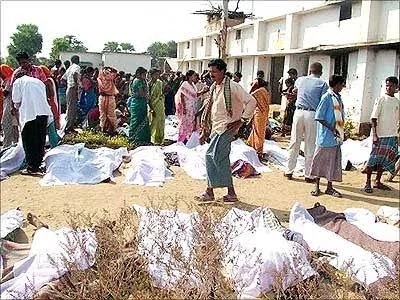
The human toll of the massacre was devastating. Fifty-five security personnel lost their lives in the attack, including sixteen members of the Chhattisgarh Armed Force and thirty-nine Special Police Officers. Twelve others were injured. For the families of the victims and the communities from which many of the SPOs had been recruited, the tragedy left a deep and lasting scar. Villagers who had celebrated Holi just hours earlier were awakened by the sound of gunfire and explosions echoing through the forest.
Survivors later described the night as one of overwhelming terror. Many recalled how the barracks quickly caught fire and how the smoke and flames made it almost impossible to escape. One survivor remembered that they had been celebrating Holi the previous evening and had gone to sleep expecting a routine night at the camp. Instead, they were awakened by a barrage of gunfire and explosions that lasted for hours. The sudden transition from celebration to catastrophe left an enduring psychological impact on those who lived through the attack.
The Rani Bodli massacre also highlighted the growing tactical sophistication of Maoist insurgents. The use of coordinated encirclement, combined with fire-based attacks on vulnerable structures, showed careful planning and reconnaissance. The participation of large numbers of cadres, including women fighters, indicated the scale of mobilization that the insurgents were capable of achieving. Reports later noted that the attack marked a shift from smaller hit-and-run guerrilla actions toward coordinated assaults on fixed security positions.
The immediate aftermath of the massacre triggered a strong response from the government. Reinforcements were rushed to the area from nearby districts, and helicopters were deployed to assist in evacuation and assessment operations. Forensic teams examined the site to reconstruct the sequence of events, while security agencies began reviewing their counter-insurgency strategies. National media coverage of the incident was intense, particularly because of the symbolic timing of the attack just after Holi.
In the years that followed, the massacre led to several policy changes in India’s counter-insurgency approach. Security camps in insurgency-affected areas were gradually fortified with stronger defensive structures and improved perimeter security. Communication systems were upgraded to ensure that isolated camps could call for help more quickly. Training programs for Special Police Officers were also strengthened, eventually leading to the creation of specialized units such as the District Reserve Guard composed largely of local tribal youth.
The tragedy also prompted deeper discussions within security circles about the importance of intelligence gathering and early warning systems. Investigations revealed that the Maoists had been planning the attack for weeks, suggesting that improved intelligence coordination might have helped prevent or mitigate the assault. As a result, greater emphasis was placed on intelligence-driven operations and coordination between central and state security agencies.
For the people of Bastar, the memory of Rani Bodli remains deeply etched in collective consciousness. Annual memorials now commemorate the fifty-five personnel who lost their lives in the attack. These ceremonies serve as reminders of the sacrifices made by those stationed in some of the most challenging security environments in the country. They also underscore the continuing struggle to maintain stability in regions where insurgency has deep historical roots.
More broadly, the Rani Bodli massacre became a defining moment in India’s internal security history. It exposed the vulnerabilities of remote security camps and highlighted the need for a more comprehensive approach to counter-insurgency. At the same time, it revealed the lengths to which insurgent groups were willing to go in order to challenge the authority of the state.
The tragedy also demonstrated how insurgent warfare often combines military tactics with psychological messaging. By launching the attack immediately after a major festival, the Maoists sought to send a powerful signal that no moment was beyond their reach. The timing transformed what would normally be a period of joy and unity into a moment of national mourning.
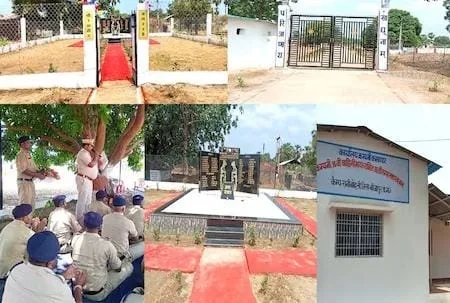
Nearly two decades later, the lessons of Rani Bodli continue to influence counter-insurgency strategies in India. The reconstruction of camps and improvements in security protocols cannot erase the memories of that night, but they represent efforts to ensure that such a tragedy is never repeated. The fifty-five personnel who lost their lives remain symbols of courage and dedication, reminding the nation of the risks faced by those who stand on the front lines of internal security.