India’s intelligence agencies have raised concerns over potential radicalisation attempts following the killing of Iran’s Supreme Leader, Ayatollah Ali Khamenei, in recent US-Israel strikes. According to senior officials cited in an exclusive report by CNN-News18, the development could act as a “trigger point” for extremist elements seeking to incite unrest and recruit vulnerable youth within the country.
Top intelligence sources told the network that foreign-linked radical groups may attempt to exploit the emotional response within sections of the Shia community to push narratives of “Shia genocide” or an “attack on the ummah”. Agencies are particularly alert to online campaigns designed to frame the killing as a Western assault on Muslim leadership, potentially fuelling resentment and identity-driven mobilisation.
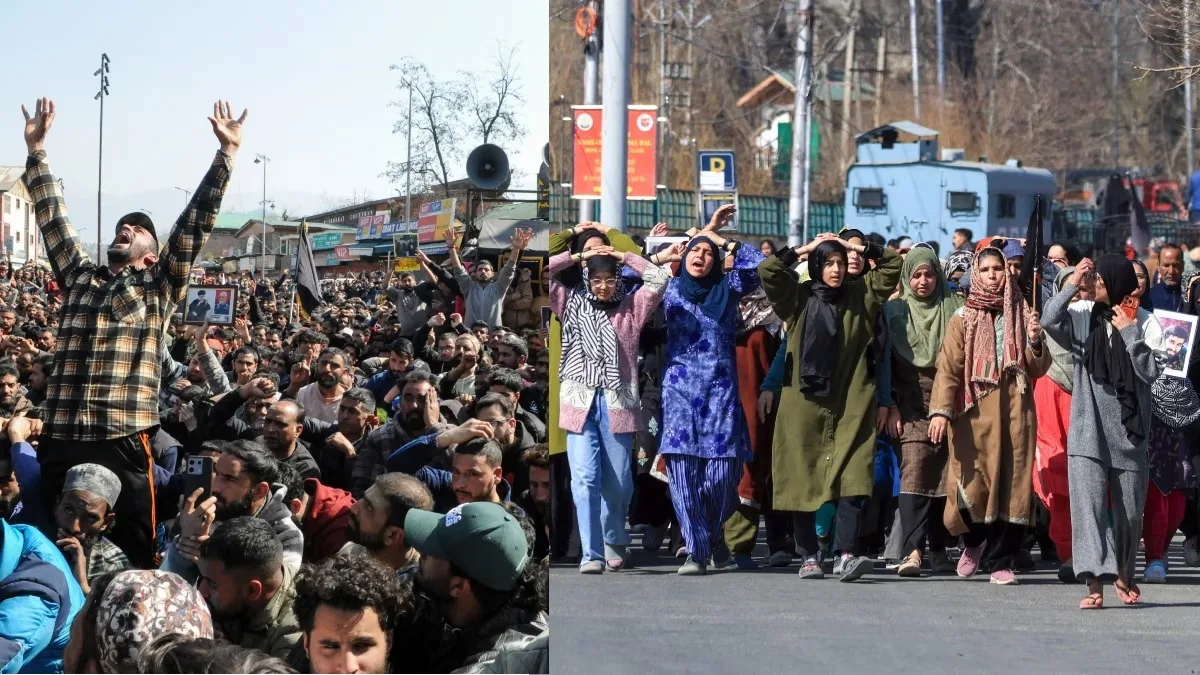
Shia communities in cities such as Lucknow, Hyderabad, Mumbai and parts of Delhi have already held mourning processions and protests over Khamenei’s death. While these gatherings have largely remained peaceful, officials said the scale of public sentiment is being closely monitored to ensure that fringe actors do not hijack the narrative.
Intelligence inputs suggest that Iran-linked Shia militias and ideological influencers operating under religious or cultural platforms may attempt to amplify polarising messaging. Agencies are examining possible linkages with Pakistan-based formations such as the Zainabiyoun Brigade, which has previously been associated with recruitment networks operating in South Asia.
Security officials have also flagged the possibility of Pakistan’s Inter-Services Intelligence (ISI)-linked terror outfits attempting to exploit the situation. Groups such as Lashkar-e-Taiba and Jaish-e-Mohammed remain under active surveillance, with agencies concerned about potential efforts to push operatives, arms or counterfeit currency through porous borders via Nepal, Bangladesh or maritime routes.
At the same time, Sunni extremist organisations including ISIS-K and Al-Qaeda in the Indian Subcontinent are also under the scanner. Officials noted that such groups frequently leverage global flashpoints to propagate a broader “war on Islam” narrative aimed at radicalising individuals beyond traditional sectarian divides.
According to the report, social media and encrypted messaging platforms remain the primary vehicles for rapid radicalisation. Platforms such as Telegram, WhatsApp and X are witnessing an increase in multilingual propaganda, circulated in Urdu, Hindi and regional languages portraying Khamenei’s killing as a symbol of Western aggression.
Intelligence officials warned that sustained digital campaigns can lead to self-radicalisation, where individuals pledge allegiance online, form micro-cells or attempt low-tech attacks without direct organisational command. Potential targets, agencies say, could include establishments linked to the United States or Israel, security personnel, or symbolic sites aimed at provoking communal tensions.
“The global narrative is being weaponised digitally. We are alert to both organised modules and lone-wolf radicalisation attempts,” a senior intelligence source told CNN-News18.
Security agencies are coordinating closely with state police units to monitor sensitive districts, financial transactions and encrypted online chatter. Particular attention is being paid to signs of cross-border handlers providing guidance or sharing digital training material with recruits.
Officials emphasised that there is no immediate large-scale threat, but described the international situation as volatile and requiring sustained vigilance. Authorities have urged communities to remain calm and avoid being influenced by provocative or misleading content circulating online.