New Delhi: The Election Commission of India is set to roll out a nationwide Special Intensive Revision (SIR) of electoral rolls beginning April 2026 across 22 States and Union Territories.
In a formal communication to Chief Electoral Officers (CEOs), the poll body has directed that all logistical and administrative preparations be completed well in advance to ensure a smooth execution of the mega exercise.
The Commission has informed CEOs that the Special Intensive Revision (SIR) is likely to commence from April 2026 in multiple states and UTs. These include Andhra Pradesh, Arunachal Pradesh, Chandigarh, Dadra and Nagar Haveli and Daman and Diu, Haryana, Himachal Pradesh, Jammu and Kashmir, Jharkhand, Karnataka, Ladakh, Maharashtra, Manipur, Meghalaya, Mizoram, Nagaland, National Capital Territory of Delhi, Odisha, Punjab, Sikkim, Tripura, Telangana, and Uttarakhand.
Officials have been instructed to put all necessary arrangements in place at the earliest, signalling the scale and seriousness of the exercise.
The SIR is a comprehensive and periodic revision mechanism aimed at updating electoral rolls and ensuring the accuracy and integrity of voter lists across the country.
In October 2025, the Commission had announced the second phase of the SIR across 12 States and UTs, including Andaman and Nicobar Islands, Chhattisgarh, Goa, Gujarat, Kerala, Lakshadweep, Madhya Pradesh, Puducherry, Rajasthan, Tamil Nadu, Uttar Pradesh, and West Bengal.
The upcoming phase marks a continuation of this structured, step-wise nationwide revision.
According to the Commission, the last nationwide Special Intensive Revision was conducted between 2001 and 2004, nearly 21 years ago.
Chief Election Commissioner Gyanesh Kumar had earlier stated that issues such as frequent migration, duplication of voter ID cards, non-removal of deceased voters, and wrongful inclusion of foreign nationals have accumulated over the years.
“Since 1951, SIR has been conducted eight times. Hence, ECI decided to conduct step-wise SIR across the country,” the CEC had said, underlining the need for systemic clean-up and strengthening of the electoral database.
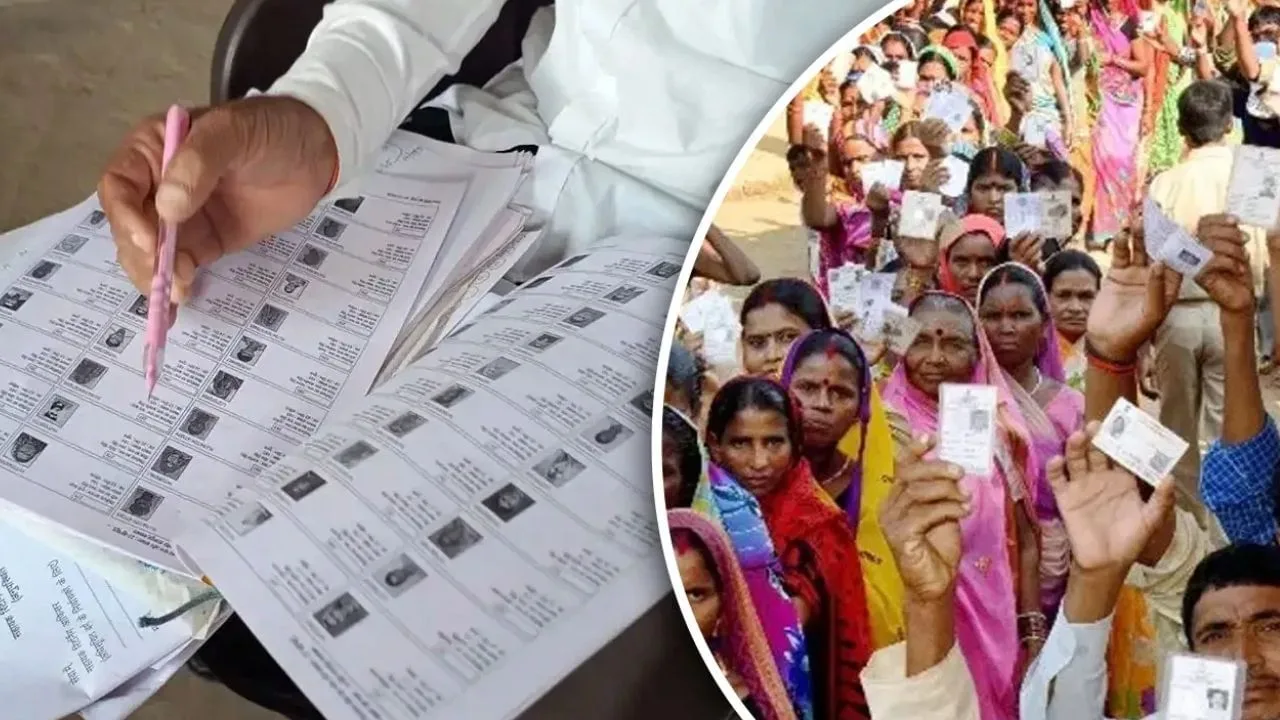
The process will begin with a pre-enumeration phase, during which voter lists in the concerned States and UTs will be frozen.
Electoral Registration Officers (EROs) will print unique enumeration forms for every registered voter.
These forms will be largely pre-filled, carrying details such as the elector’s name, booth, constituency, and old photograph.
Booth Level Officers (BLOs) will then undertake extensive field visits:
- Each household will be visited three times.
- BLOs will distribute enumeration forms to existing voters.
- They will collect Form 6 and declaration forms from new voters seeking inclusion.
- Assistance will be provided to match or link names with records from the last SIR (2002-2004).
The Commission has also decided to deploy volunteers to ensure that elderly, sick, persons with disabilities (PwD), economically weaker sections, and other vulnerable groups are not inconvenienced or harassed during the process.
Once enumeration forms are received, EROs and Assistant Electoral Registration Officers (AEROs) will prepare draft electoral rolls.
- Notices will be issued to individuals whose names cannot be matched or verified.
- Hearings will be conducted to determine eligibility.
- Based on verification, names will be included or excluded in the final electoral rolls.
The upcoming SIR is expected to be one of the most extensive voter list verification drives in recent years, aimed at enhancing electoral transparency and ensuring that only eligible citizens remain on the rolls ahead of future elections.