BHUBANESWAR: Six members of a family in Keonjhar district have returned to the Sanatan fold nearly a decade after adopting Christianity, in an event attended by community elders and villagers.
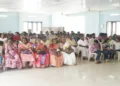
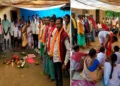
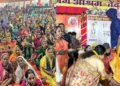
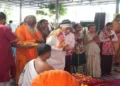
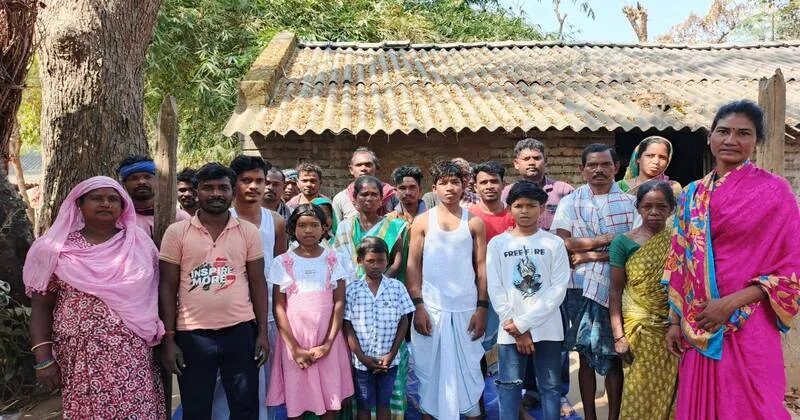
The family belongs to the Ho tribe and resides in Bargoth village under the Kathkatha panchayat in the Anandpur block of the district. According to local residents, the Gharwapsi ceremony was conducted with traditional rituals and community participation, after which the family expressed happiness at rejoining their native customs and social life.
Villagers noted that the family had converted about ten years ago following a personal tragedy. The husband of a village woman, Nitima Ho, passed away, leaving her deeply devastated. Subsequently, Christian pastors visited her home and told her that just as her husband had died while she remained in her religion, her children might also die if she continued to follow it. They advised her to leave Hinduism and adopt Christianity, assuring her that she and her family would be safe under the refuge of Jesus. Influenced by the pastors, the family converted.
Over the years, local villagers maintained contact with the family and encouraged them to reconnect with their traditional practices. Members of the Shaheed Birsa Munda Club played a key role in facilitating dialogue and persuading them to reconsider their decision. The organisation’s karyakartas stayed in regular touch with the family and appealed for their return to ancestral traditions.
After prolonged discussions and interactions, the family decided to make Gharwapsi and informed the villagers. A formal program was subsequently organised in the village, where they performed customary rituals.
Baidhar Bindhani, president of the Shaheed Birsa Munda Club, stated that Christian pastors often exploit people’s psychological and economic conditions, gradually detaching them from their roots. He noted that a similar situation had occurred in their village. It was painful for them when members of their community were separated from their ancestors’ traditions and drawn into a foreign faith. Therefore, they maintained continuous dialogue with the converted family members and repeatedly urged them to reconnect with their ancestral culture. After several years of effort, they finally succeeded and felt very happy about it.
Bindhani added that some other families in the village had also adopted different faiths over the years, and the organisation would continue outreach activities aimed at promoting cultural continuity and social harmony.
A family member who returned to Hinduism expressed feelings of disconnection from their customs, festivals, and social traditions after conversion. The individual stated that the decision to return was made voluntarily upon realising the importance of cultural belonging and community participation.
The family has now resumed participation in village rituals and social activities, with residents expressing hope that this development will strengthen communal ties and restore a sense of belonging.