
Extreme poverty continues to be reported from tribal habitations in Kerala, countering Chief Minister Pinarayi Vijayan’s statement that the state is free from extreme poverty. Ground reports indicate that tribals remain in poverty and government welfare schemes are not reaching the beneficiaries.
At one hand, the CPM government claims to have free from extreme poverty, but recent reports show otherwise, with stories emerging from forest area habitations pointing to distress on the ground.
CM Pinarayi Vijayan declared on November 1, 2025, that Kerala is free from extreme poverty. He made the statement at a special session of the legislative assembly on Kerala Day and claimed that Kerala is the first state in the country to make such a declaration. The claim was challenged by economists and BJP leaders, who cited several reasons and examples.
Latest reports from Nilambur deep forests in Malappuram district are now being cited by non-LDF (ruling CPM-led Left Democratic Front) leaders and personalities as evidence contradicting the official claim.
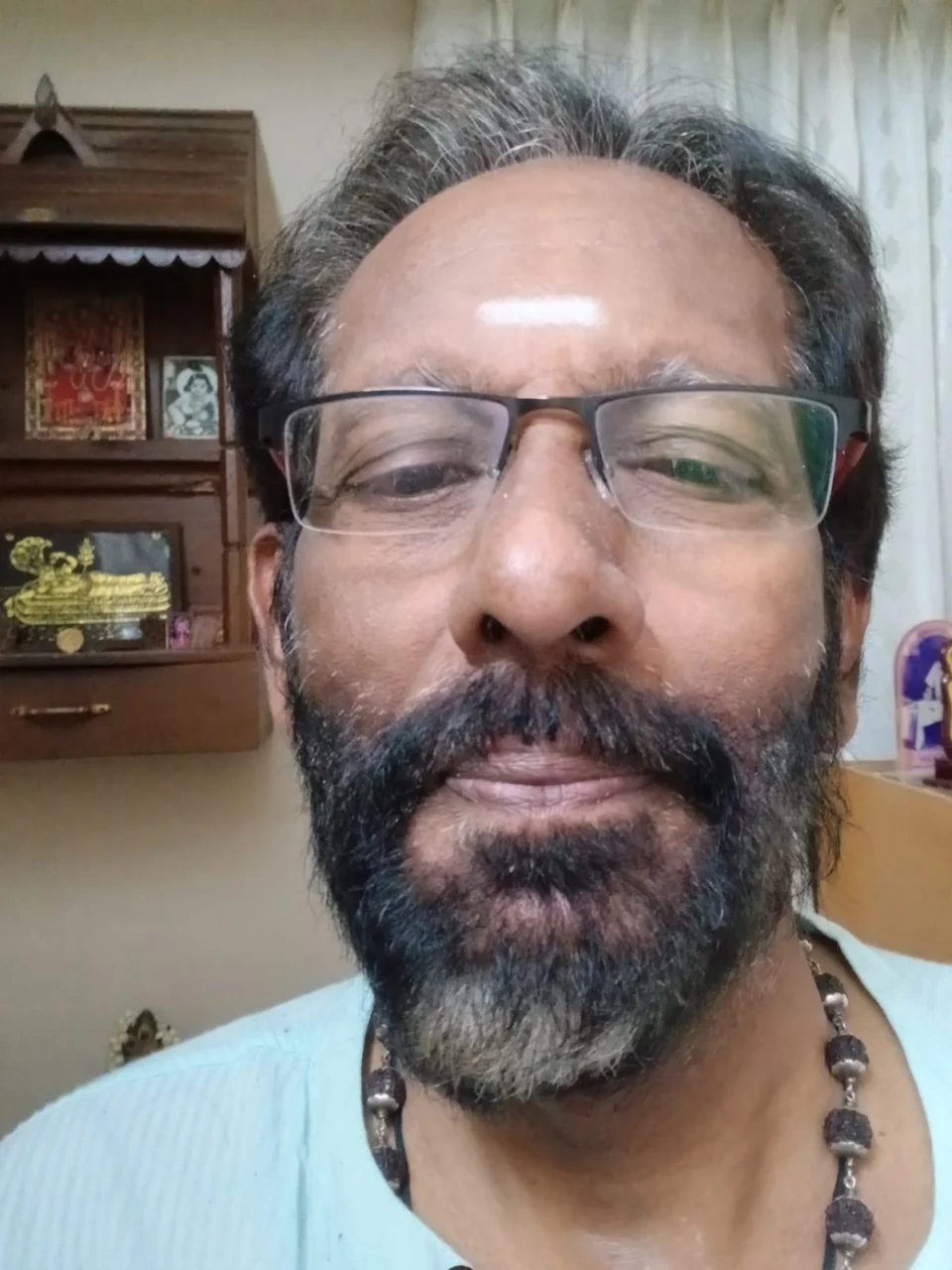
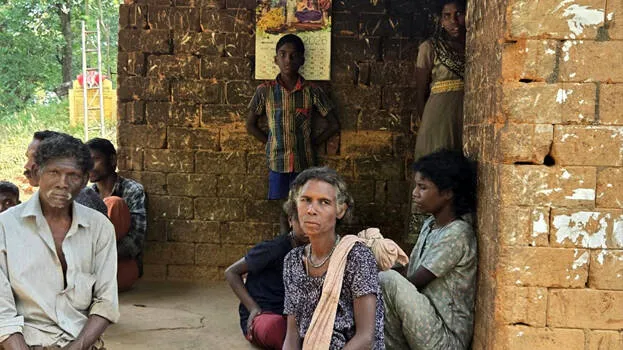
Field accounts from the forest area detail the plight of tribal families. The family of Sundaran (30) of Vettilakkolli Adivasi Nagar told the media that he did not have a single grain of rice to cook. Leftover cooked rice from dinner was kept in water and eaten in the morning as pazhankanji (old gruel). He reportedly had no money, and when rice was available once in a blue moon, he could not afford any side dish except green chillies.
Reportedly, there are 28 tribal families belonging to the Kattunaykka Muthuval community in Vettilakkolli forests, with a total population of 90. Each family receives 30 kgs of rice a month as ration. As rice is consumed three times a day, the stock gets exhausted by the middle of the month. Families then depend on the sale of forest produces to buy rice, but forest produces are currently scarce, leaving starvation as the only option, according to local accounts. Reports from Malappuram district state that tribals are starving and that ration rice is not sufficient.
A medical health camp conducted recently in the forest by an association of doctors found widespread malnutrition. Of the forty people who attended, thirty were found to be anaemic due to lack of nutritious food. Some women were identified as being in urgent need of emergency inpatient treatment, further highlighting gaps in delivery and access to welfare and health services.
Under the Life Scheme, tribals receive Rs 4 lakhs, along with Rs 2 lakhs from the tribals department, totalling Rs 6 lakhs for house construction. However, beneficiaries say the amount is not sufficient for house construction in forest regions, where transportation costs of building materials are high. Builders reportedly show little interest in taking up such contracts, and several houses remain incomplete.
Sundaran had earlier fallen from a jackfruit tree while plucking jackfruits and sustained spinal injuries, leaving him unable to do manual labour. He requires monthly treatment at Manjerry hospital, located 30 to 40 kilometres away. Only one jeep operates on the route due to the presence of dangerous wild animals, and he has to spend Rs 1,600 to travel out of the inner forests. He reportedly does not receive any financial aid from the authorities. His son is 13 years old.
Despite the government’s assertion of an “Extreme Poverty Free State”, these reports from interior forest habitations present a sharply different picture, raising questions over last-mile delivery of welfare schemes by Communist government.