
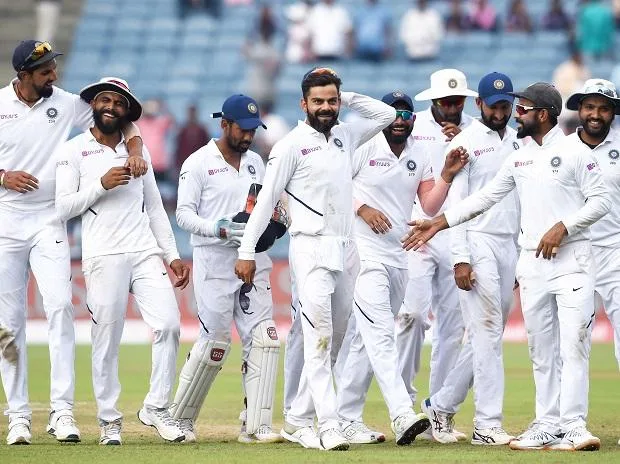
The Marylebone Cricket Club (MCC) has announced a new edition of the Laws of Cricket, which will come into effect from October 1, 2026. This is the fourth version of the Laws under the 2017 Code and includes as many as 73 changes, along with several language updates to make the rules clearer and more inclusive.
According to MCC, the main aim of these changes is to ensure that the Laws of Cricket remain relevant for the modern game and are suitable for players at all levels across the world. The Club has released the updated Laws in advance so that players, umpires and officials have enough time to understand them.
Fraser Stewart, MCC’s Laws Manager, said the early announcement reflects MCC’s global responsibility towards the game. He added that cricket is constantly evolving, and the Laws must evolve with it to remain fair and practical for players and officials worldwide.
“It is important that we announce these changes now as part of the Club’s global commitment to the game, giving officials from all over the world the chance to learn under the new Laws ahead of them coming into force in October,” Stewart said in a statement.
“Cricket is a fast-evolving sport and this edition is drafted with the modern game in mind, as we are constantly looking to ensure that the Laws, which the Club has administered since being founded in 1787, are fit for all levels of cricket across the globe,” he added.
“The Laws sub-committee meets several times each year to shape the Laws and debate what changes are required to every area of the edition. The changes announced today represent the way the game continues to evolve,” Stewart said.
What has changed?
1. Tighter tolerances for size & weight of junior & women’s cricket balls
We know that, in general, men’s cricket has had primacy in the global game, something that has manifested itself in countless ways. One of these is that while the specifications for men’s cricket balls allow for quite a small tolerance in size and weight, for balls used in women’s and junior cricket, that tolerance was significantly larger. In fact, a small women’s ball was smaller, and lighter, than a big junior ball, which could allow manufacturers to make one ball that was suitable for both categories.
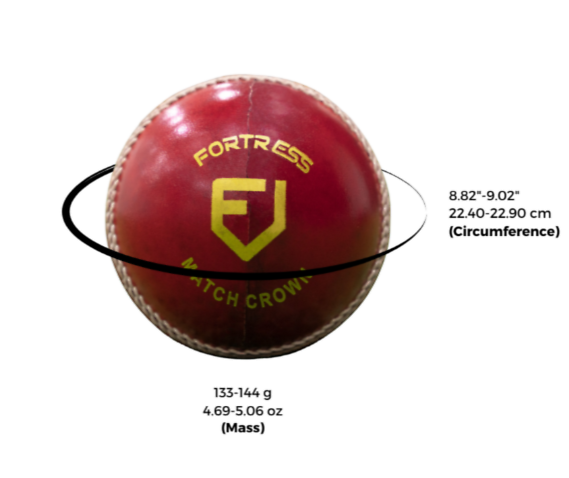
Led by an initiative from high-profile current and former women’s players at MCC’s World Cricket Connects, we have worked with manufacturers to set new limits, and names, for the balls. The balls are now Size 1, Size 2 and Size 3, and while Size 1 (traditionally the men’s ball) has not changed, the margins are now uniform, making for three distinct categories of balls.
2. Laminated bats
Type D bats, which may be laminated, are now permitted for open age cricket, rather than just junior cricket. This is part of an attempt to slow the rising costs of bats around the world. Laminated bats can use up to three pieces of wood, allowing for more of the best quality willow trees to be used, and for lower quality willow to be glued to a high-quality face.
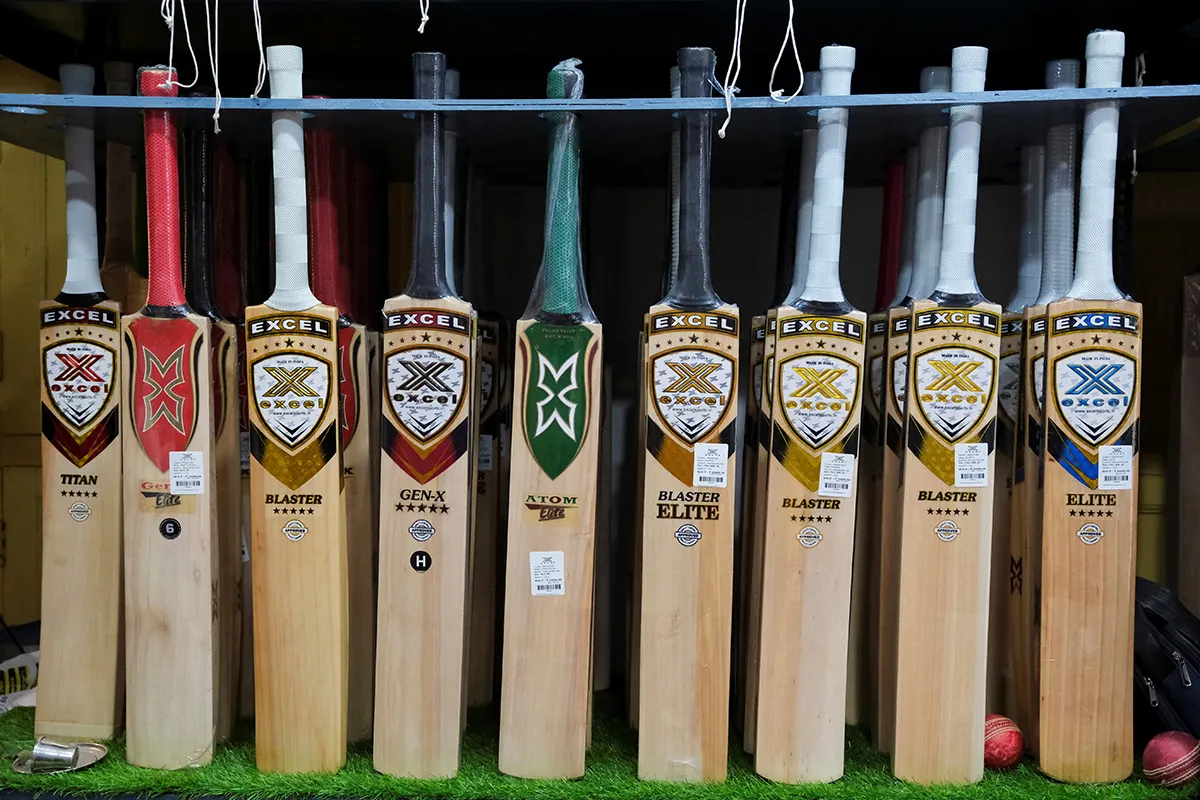
MCC has spent considerable time testing these bats, and it is not felt that laminated bats will give a significant performance advantage. However, it is expected that, at the top level of the game, bats will remain a single piece of willow. The level at which a Type D bat can be used will be set by the national governing body of that country.
3. The final over of a day’s play will not end if there is a wicket
This is a significant change that will impact multi-day cricket. It was felt unfair that, if a fielding side takes a wicket in the final over of the day, the batting side does not have to send out a new batter. This doesn’t save time (which is the case at lunch and tea) as the remaining balls need to be made up the next day, and it takes the drama out of the game, while letting the incoming batter off the hook – at a time when the conditions are often more favourable to bowling. The new change means that the final over of the day will be bowled fully, even if a wicket falls during it (assuming conditions remain fit).
4. Clarified rules on Short run
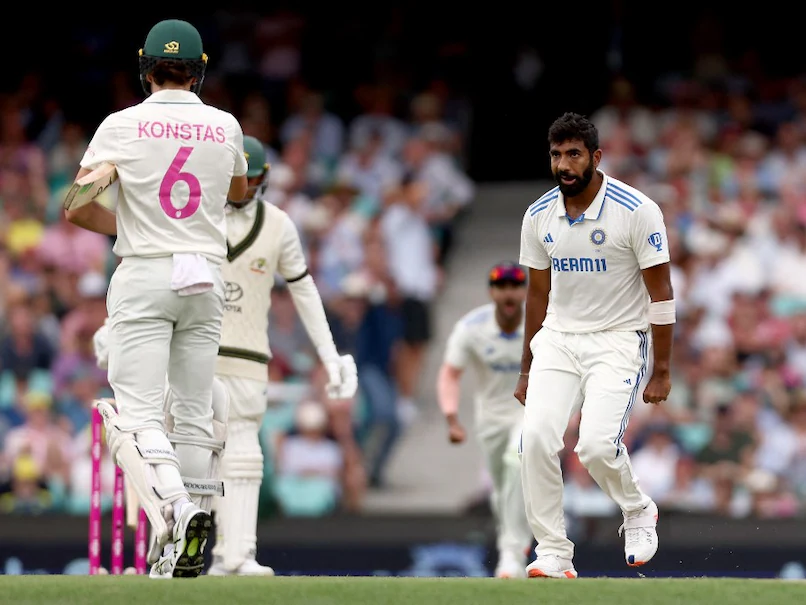
This is one of two changes that have already been adopted by ICC in their Playing Conditions for international cricket, so some avid watchers may already be aware of it. The change formalises the interpretation that batters can choose to turn back, and abandon a run, without being penalised – deliberate short running must be an attempt to deceive the umpires. Where batters set off for a run, and then change their mind – perhaps they thought a two might be possible, but realise it won’t be and don’t want to expose the non-striker – they may return to their original end without penalty, even if they had already crossed.
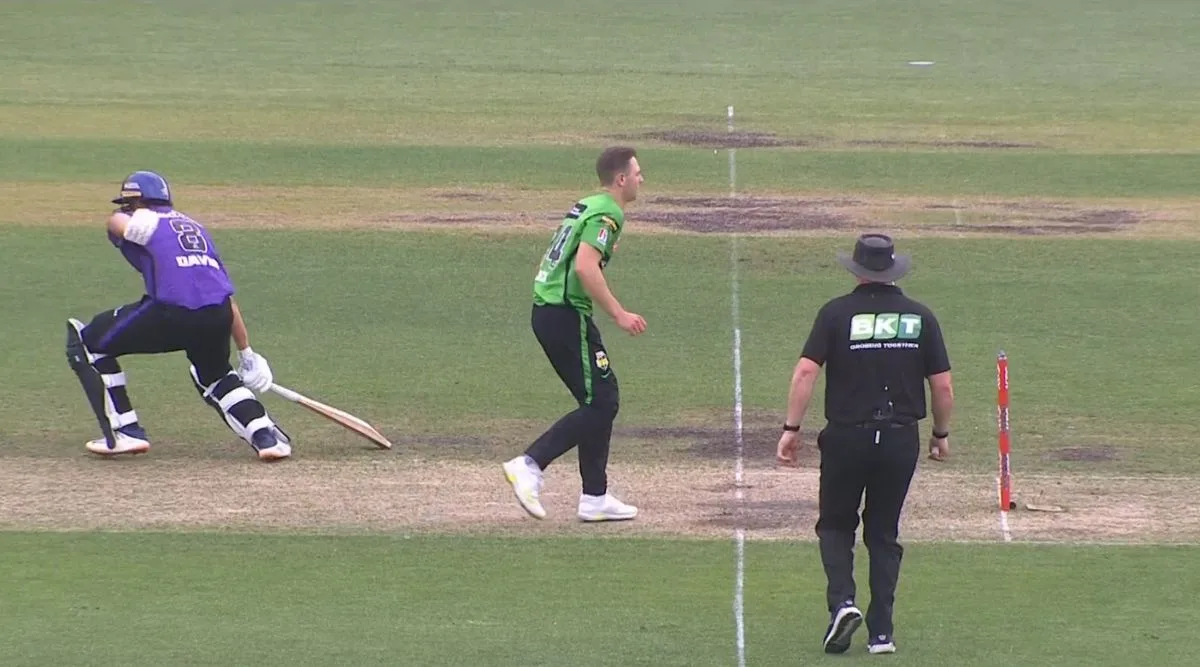
However, if batters do deliberately run short, along with all the penalties already in place, the fielding side will also get to determine which of the batters takes strike. Deliberate short running is usually an attempt to manufacture a certain batter being on strike, and this further reduces the chances of gaining such an advantage.
This is now one of three times that players will be permitted to determine who is on strike for the next delivery. Law 41.5 (where a fielder obstructs the batter) has long been one such occasion, but this clause, and Law 37.5.2, when a batter is out obstructing a catch, will now give that power to the fielding captain.
5. Boundary catching
This is the second change that has already been adopted by ICC, and MCC has already published a full explanation of it, which has been widely covered.
This change removes the ‘bunny hop’ catch, which had led to some spectacular fielding, but also some unusual-looking catches that, to the majority of the cricketing public, felt unfair. Our solution has been to limit any fielder who has gone outside the boundary
to touching the ball while airborne only once, and then, having done so, to be wholly grounded within the boundary for the rest of the duration of that delivery. Even if the ball is parried – to another fielder or inside the field of play – if the fielder lands outside the boundary, or subsequently steps outside, then a boundary will be scored.
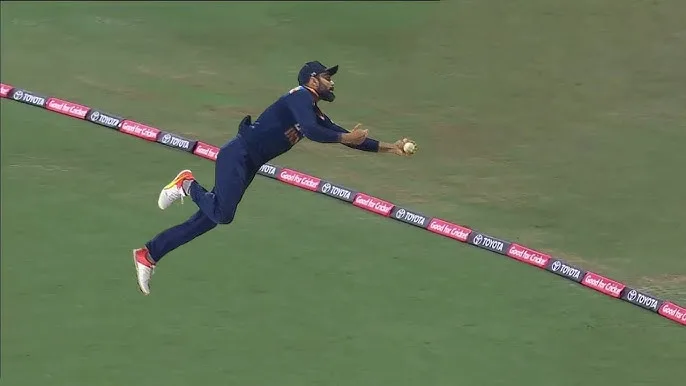
For clarity, that means the fielder gets one chance, and once chance only, to touch the ball having jumped from outside the boundary. After that point the boundary becomes a hard line – and any time they touch the ground in that delivery, whatever else happens, they must be inside.
6. Overthrows
This is the most significant overhaul of overthrows in some time, taking a complicated segment of Law and codifying it fully. While in the past most people would have agreed that they knew what an overthrow meant, the Laws were actually quite vague, and often wildly different to the cricketing public’s expectations.
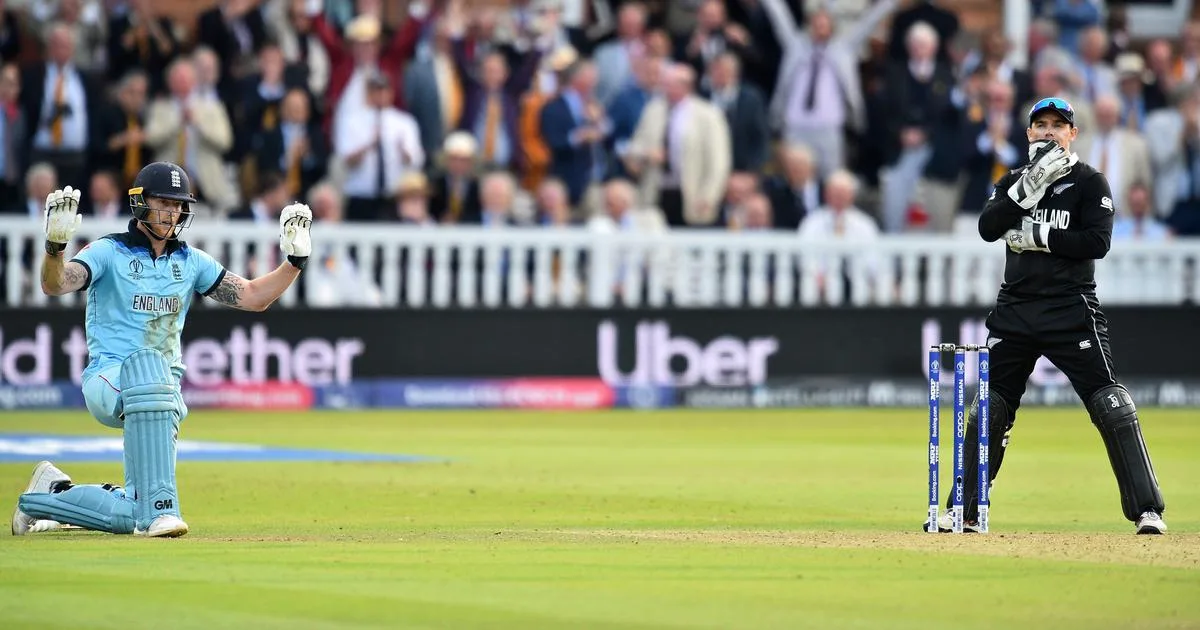
In this new edition therefore, for the first time, the Laws define an overthrow, and bring the Laws into line with conventional thinking on the difference between an overthrow and a misfield. Simply, an overthrow is an attempt to direct the ball towards the stumps to stop run-scoring or attempt a Run out. A misfield – whether an attempt to stop the ball or pass it to another fielder close to the boundary – should not be treated as an overthrow.
7. A new definition of ‘finally settled’
This is quite a big change in Law, but not one that most players will notice very often. The umpire will now have much greater leeway to determine whether a ball is finally settled, which can often be extremely important, particularly on the final ball of a close game.
The ball no longer has to be in the bowler or wicket-keeper’s hands to be finally settled. It can be in the hands of any fielder, or stationary on the ground. This allows umpires the freedom to make reasonable decisions on when the ball is Dead, even if one fielder, or one batter, is still attempting to play on.
The two previous clauses – regarding the ball being finally settled and clear to the umpire that none of the players regard it as being in play – have been combined into one place.
8. Position of the wicket-keeper
This may seem like a small change, but it is meaningful – a wicket-keeper will no longer be penalised for having their gloves in front of the stumps when the bowler runs up.
Wicket-keepers cannot come in front of the stumps to collect the ball until it has passed the striker’s wicket or made contact with their bat or person – that remains the case. But in a DRS age, umpires were noticing that some keepers move level with, or in front of, the stumps while the bowler is running up – technically a No ball, but not something that would give them any advantage.
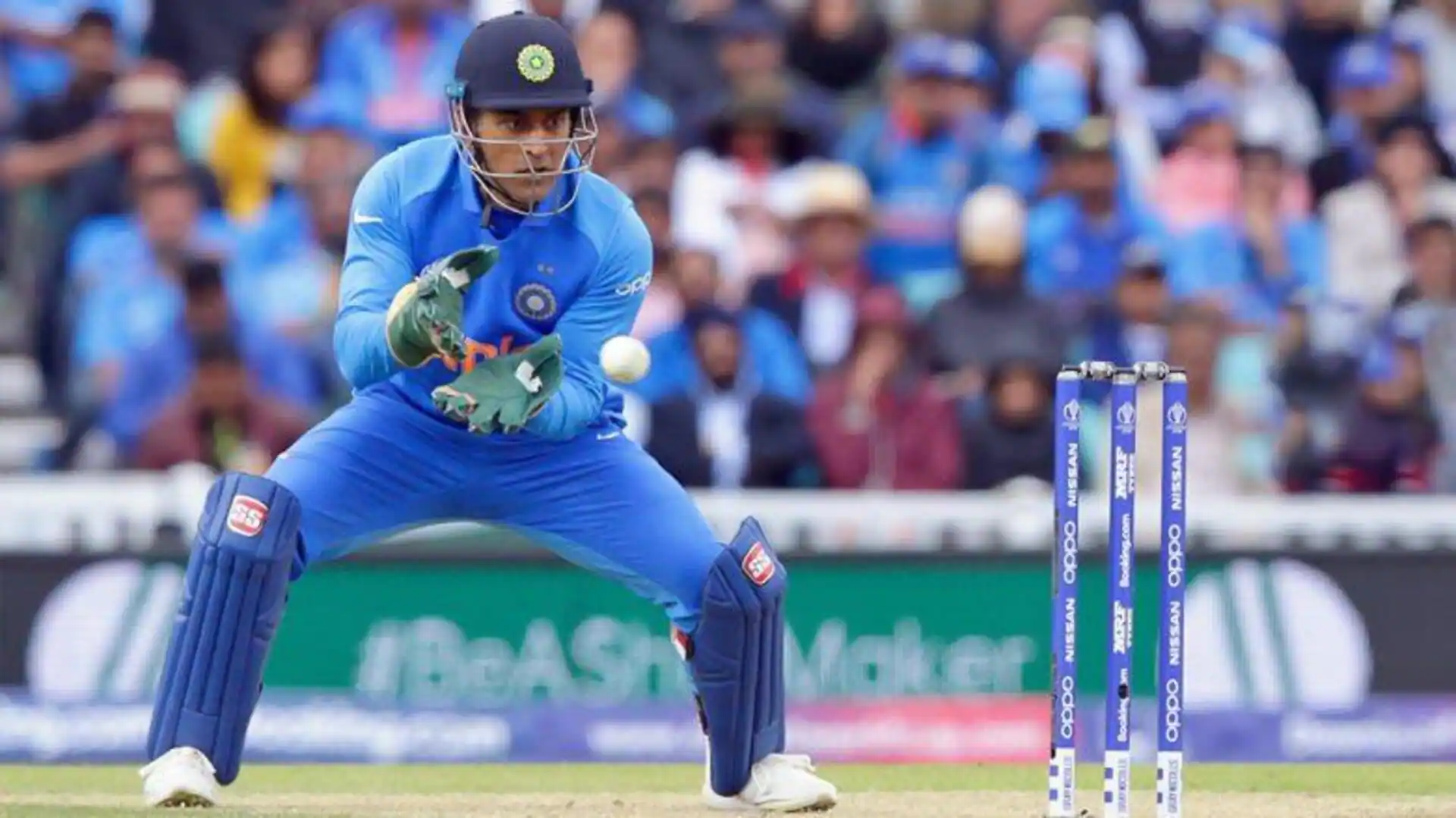
The Law has now changed so that it is only after the ball is released that the wicket-keeper must be wholly behind the stumps. This brings the wording in line with a fielder’s position.
9. Hit wicket
There are two changes to the Hit wicket Law in this edition. The first codifies an interpretation long held, that “receiving the ball” lasts until the batter has gained control of their balance after playing the ball. If the batter is off balance because of the shot they played, hops around for a few steps and falls onto their stumps, that is as a result of the action they took to receive the ball. The ball may be long gone, but the striker is still out Hit wicket.
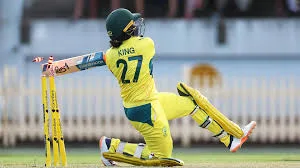
The second change builds from this first clarification, in relation to the striker, or their equipment, coming into contact with another person. If the striker loses their balance but is falling away from the stumps, and then comes into contact with a fielder who knocks them towards the stumps, they will be protected from being out Hit wicket. If, however, the contact with the fielder is purely incidental – perhaps they are falling onto the stumps and in doing so their bat brushes the wicket-keeper, that will not protect them. If a part of the batter’s equipment becomes detached and makes any contact with another player before hitting the stumps, then they cannot be out Hit wicket. So if the batter accidentally lets go of the bat, and it hits the wicket, the batter will be out Hit wicket. However, if the bat hits the wicket-keeper and then the wicket, it will be Not out.
10. Held in the fielder’s hand and complete control over the ball
The definitions in the appendices are often overlooked, but they are crucial to understanding and interpreting the Laws of Cricket. These two new definitions give clarity that is particularly important in televised cricket for what is, and isn’t, control of the ball. For a ball to be considered held in the fielder’s hand – vital for a Run out or Stumping – the ball has to be held. It cannot be simply touching the fielder’s hand while they break the stumps, they must actually be holding it with complete control. And, as A2.8 will now define, complete control means that, should they choose to, they could continue to hold the ball as long as they like and dispose with it however they like. This is the same standard as taking a catch.
The MCC believes this amendment will add excitement, fairness, and competitive balance to Test cricket—especially in closely fought games.
The new law will come into effect from 2026, after which it will be followed in international and domestic Test matches governed by MCC laws.