India has categorically rejected the jurisdiction of the Permanent Court of Arbitration (PCA) in The Hague in the long-running Indus Waters Treaty (IWT) dispute with Pakistan. As hearings continue in the Netherlands, New Delhi has conveyed that it considers the tribunal “illegally constituted” and its recent directions “per se void” and legally non-binding.
Top government sources quoted in a News18 report said that the Ministry of External Affairs (MEA) has formally informed the tribunal that India will neither comply with its orders nor participate in its proceedings, marking a significant escalation in India’s diplomatic posture.
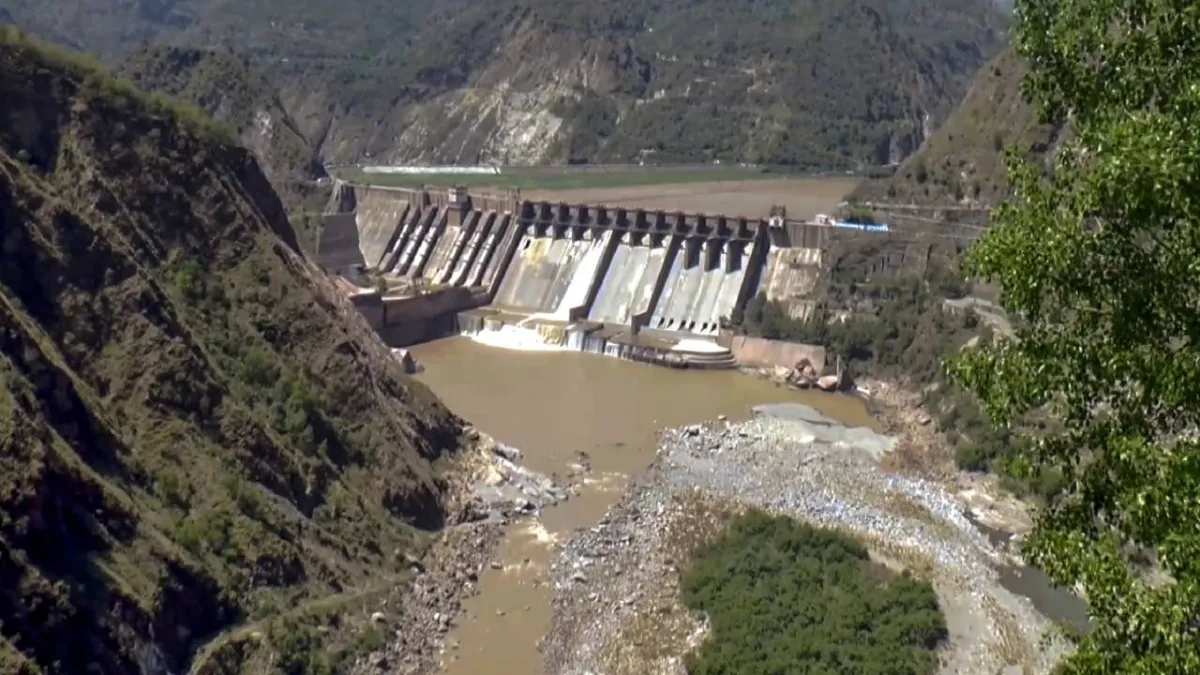
The latest flashpoint emerged after the Hague-based tribunal issued a directive last week seeking sensitive operational records, including logbooks and design data, related to India’s Kishanganga and Ratle hydroelectric projects in Jammu and Kashmir.
According to News18, New Delhi rejected the demand outright, refusing to recognise the tribunal’s jurisdiction or legitimacy. Senior officials have argued that the tribunal’s formation itself violates the dispute resolution mechanism laid out in the 1960 Indus Waters Treaty.
“Creating a parallel Court of Arbitration while a neutral expert process mandated under the treaty and already underway was in progress amounts to a brazen violation of the treaty’s sequential framework,” a top government source told News18.
India’s refusal is rooted in a broader strategic and security context. Following the April 2025 terror attack in Pahalgam, New Delhi exercised its sovereign rights under international law to place the Indus Waters Treaty in abeyance.
“Until Pakistan credibly addresses India’s core security concerns and abjures its support for cross-border terrorism, India is not bound to perform any treaty obligations,” a senior government official told News18.
This includes participation in arbitration proceedings and the mandatory sharing of hydrological and operational data, such as river flow levels and flood warnings.
By explicitly linking water cooperation to national security, India has reinforced its long-standing position that bilateral agreements cannot be insulated from acts of terrorism.
Officials say this marks a clear shift away from decades of technical cooperation under the treaty, effectively placing all data-sharing mechanisms on indefinite hold as long as security provocations continue.
Pakistan, which first raised objections to India’s hydropower project designs in 2015, has portrayed the PCA proceedings as a procedural and diplomatic success. However, Indian officials have dismissed this narrative.
According to government sources, New Delhi views the Hague exercise as a “charade at Pakistan’s behest”, aimed at internationalising the issue and deflecting attention from Islamabad’s record on terrorism.
A senior official said, adding that no international body has the jurisdiction to adjudicate India’s sovereign actions within its own territory while the treaty remains suspended.
What began as a technical dispute over hydropower design parameters has now evolved into a larger confrontation over sovereignty and the limits of international arbitration.
As long as the Indus Waters Treaty remains in abeyance, New Delhi maintains that all arbitration proceedings related to it lack legal standing.