The Centre is actively examining the introduction of the draft Information Technology (Digital Code) Rules, 2026, aimed at addressing the growing challenge of obscene and inappropriate content circulating on digital platforms. According to a report by The Indian Express, the proposed rules seek to establish clearer boundaries for online expression while introducing an age-based classification system for all forms of digital content.
The draft rules are designed to define and regulate content that crosses the line into obscenity, including material that is lascivious, appeals to prurient interests, or has the potential to deprave and corrupt viewers. The proposed framework also seeks to restrict content that makes deliberate attacks on religions or communities, promotes violence or crime as desirable, or includes defamatory, false, or suggestive innuendoes. Officials familiar with the development said the intent is to bring consistency and accountability to digital content regulation without undermining constitutional freedoms.
The move follows observations made by the Supreme Court in March last year, when it directed the Solicitor General to frame proposals that strike a balance between safeguarding free speech under Article 19(1)(a) of the Constitution and enforcing “reasonable restrictions” permitted under Article 19(2). The court had emphasised the need for a structured mechanism that protects creative expression while preventing misuse of digital platforms.
The proposed rules have gained urgency in the wake of a recent controversy involving social media influencers Ranveer Allahbadia and comedian Samay Raina. Allahbadia, popularly known as ‘Beer Biceps’, sparked widespread backlash after making an obscene joke involving parents during an episode of Raina’s YouTube show India Got Latent. The clip went viral, triggering public outrage and renewed calls for stricter oversight of online content. Allahbadia later issued a public apology, acknowledging that the comment was inappropriate.
The matter has since entered the legal domain, with a case related to the controversy scheduled to be heard on January 29. The incident has become a reference point in the broader debate over the lack of regulatory standards governing influencer-led digital content, particularly content accessible to younger audiences.
Under the draft IT (Digital Code) Rules, 2026, the government proposes that all digital content must adhere to standards of good taste and decency. Content that is vulgar, indecent, offensive, defamatory, deliberately misleading, or suggestive in nature would fall foul of the proposed norms. Additionally, material that incites hatred, targets religious or community sentiments, or glorifies violence and criminal behaviour is likely to face regulatory action.
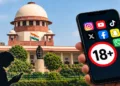
A key feature of the draft framework is the introduction of age-appropriate classification for digital content, a move intended to protect minors from exposure to unsuitable material. Officials have indicated that the classification system would apply across platforms, including social media, streaming services, and user-generated content platforms, bringing them closer to the regulatory standards followed by traditional media.
While the draft rules are still under consideration and yet to be formally notified, they signal a significant shift in the government’s approach to digital governance. The proposed regulations are expected to trigger intense debate among content creators, digital rights advocates, and technology companies over the scope, implementation, and potential impact on freedom of expression in India’s rapidly expanding digital ecosystem.