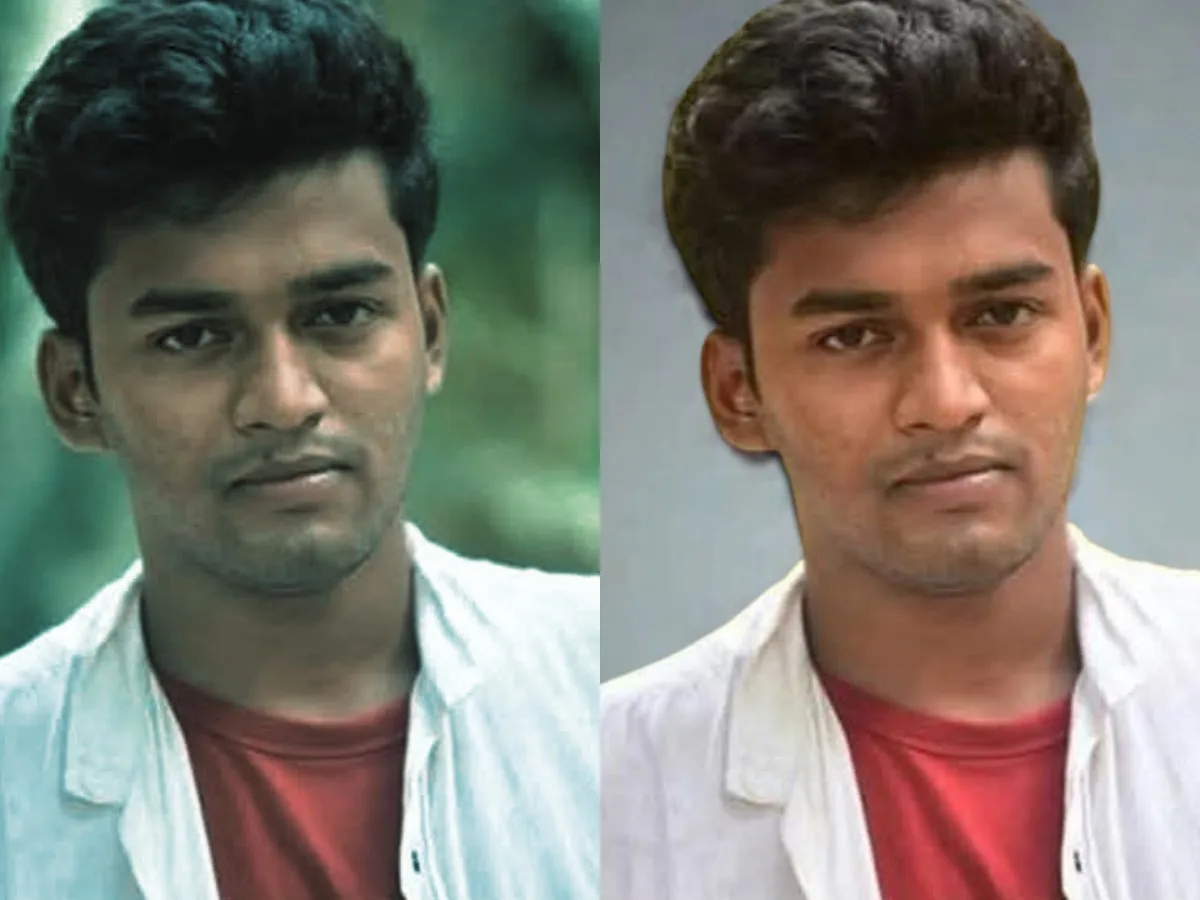
A Bangladeshi Hindu student of Jagannath University was found dead in Dhaka on Wednesday (January 21) night, triggering fresh anxiety and debate over the safety of minorities in the country. The deceased has been identified as Akash Sarkar, a student of the Department of Theatre at Jagannath University, originally from Faridpur district.
Police recovered Sarkar’s body in a hanging condition from a mess accommodation in the Bhatikhana area of old Dhaka on January 18. While preliminary investigations suggest suicide, the incident has drawn heightened attention due to the broader backdrop of rising violence against Hindu minorities over the past two months.
According to police officials, a call was received late in the evening following concerns raised by Sarkar’s acquaintances. A housemate told local media that he became alarmed after receiving an unexpected phone call and repeatedly knocking on Sarkar’s door without a response. “When the door was finally opened, Akash was found hanging. We immediately informed the police,” he said.
Nazmul Hasan, an investigation officer at Gandaria Police Station, said police reached the spot around 9:30 pm and recovered the body. “The body was found hanging and has been sent to Mitford Hospital for autopsy. We are examining all aspects of the case,” he said. Gandaria Police Station Officer-in-Charge Moniruzzaman Khan confirmed that Sarkar’s family had been informed and that further legal procedures are underway.
The killing has intensified mounting criticism of the interim government’s failure to protect religious minorities, with Chief Adviser Mohammad Yunus facing growing scrutiny over what critics describe as a systematic attempt to dilute the communal nature of violence against Hindus. Even as brutal killings, arson attacks and mob assaults continue to surface, the Yunus administration has relied on selective official data to downplay the crisis.
Citing police records for 2025, Yunus claimed that out of 645 incidents involving members of minority communities, only 71 were “communal” in nature, while the remaining 574 were classified as ordinary criminal cases. The government has projected these figures as an “evidence-based picture,” cautioning against what it termed “fear-mongering” and “misinformation.”
However, minority organisations and human rights groups have strongly rejected this framing, arguing that it deliberately strips context from the violence. They point out that branding attacks on Hindus as routine crimes ignores the unmistakable pattern of targeted killings, public lynchings, arson, custodial deaths and intimidation that overwhelmingly affect one religious community.
Just days before Sarkar’s death, a Hindu fuel station worker, Ripon Saha, was killed in Rajbari district after being run over by an SUV while demanding payment for petrol. CCTV footage showed the vehicle accelerating deliberately after Saha stood in front of it. Police arrested the vehicle owner, Abul Hashem, a local Bangladesh Nationalist Party leader, and the driver Kamal Hossain. The killing drew widespread outrage and renewed concerns over minority safety.
In Sylhet’s Gowainghat upazila, the house of a Hindu schoolteacher, Birendra Kumar, was set on fire earlier this month, destroying his home and belongings worth lakhs of taka. Locals said delays in firefighting worsened the damage, leaving the family devastated and fearful.
Other recent incidents have further deepened alarm. Renowned Hindu musician and Awami League cultural leader Proloy Chaki died in police custody in Pabna earlier this month, with authorities citing health complications. His family, however, alleged denial of medical care and custodial abuse. Separately, Samir Kumar Das, a 28-year-old Hindu autorickshaw driver, was beaten and stabbed to death by a mob in Chittagong’s Daganbhuiyan area, with police describing the murder as planned and brutal.
Perhaps the most shocking case was the lynching of Dipu Chandra Das in December, who was beaten to death by a mob on false allegations of blasphemy. His body was later hung from a tree and set on fire, an incident that sparked international condemnation. Police have since arrested 21 accused, including an imam and madrasa teacher, alleged to have led the mob.
According to community organisations, at least a dozen Hindus have been killed in Bangladesh in just over six weeks, alongside numerous cases of arson, mob violence and intimidation. The Bangladesh Hindu Buddhist Christian Unity Council has reported a sharp spike in incidents, particularly in December 2025, warning that minorities are being targeted amid political instability following the ouster of former Prime Minister Sheikh Hasina.
India has also expressed concern over the recurring attacks, urging Bangladeshi authorities to take decisive steps to protect minorities. New Delhi has repeatedly flagged that Hindus, who constitute about 8 per cent of Bangladesh’s population, are feeling increasingly insecure.
As investigations continue into Akash Sarkar’s death, the incident has once again brought into focus the growing trust deficit between minority communities and the state. While the Yunus-led interim government insists there is no systemic communal violence, the steady stream of violent episodes involving Hindus continues to fuel fear, anger and calls for accountability across Bangladesh.