Bengaluru: The proposed hike in Bengaluru Metro fares has once again triggered sharp public outrage, reigniting a long-simmering debate over affordability, transparency, and accountability within the Bangalore Metro Rail Corporation Limited (BMRCL). Commuters, civil society groups, and political leaders have strongly condemned BMRCL’s move to push for an annual automatic fare increase, warning that repeated hikes are eroding public trust and defeating the very purpose of mass public transport.
The controversy dates back to February 9 last year, when BMRCL implemented a steep fare revision of up to 105.5 per cent on certain routes. The decision was met with unprecedented backlash from daily commuters, students, and working professionals, who argued that such a drastic increase was unjustified and poorly communicated. Facing mounting pressure, BMRCL was forced to partially roll back the hike, reducing it to around 71.5 per cent. However, even this revised fare structure is still viewed as excessively burdensome.
Bengaluru Metro has become the costliest in the country, thanks to the state government’s negligence in correcting mistakes caused by anomalies in fare fixation.
As a result, Bengaluru metro travel now costs nearly twice as much as in Delhi, Mumbai, and Chennai, leading to a… pic.twitter.com/xQqam0hRWU
— Tejasvi Surya (@Tejasvi_Surya) January 17, 2026
Adding fuel to the fire, BMRCL is now preparing to implement a 5 per cent annual automatic fare hike every February. The proposal has been widely criticised as insensitive, especially at a time when Bengaluru residents are already grappling with rising costs of fuel, housing, electricity, and essential commodities.
Tejasvi Surya writes to Centre and state
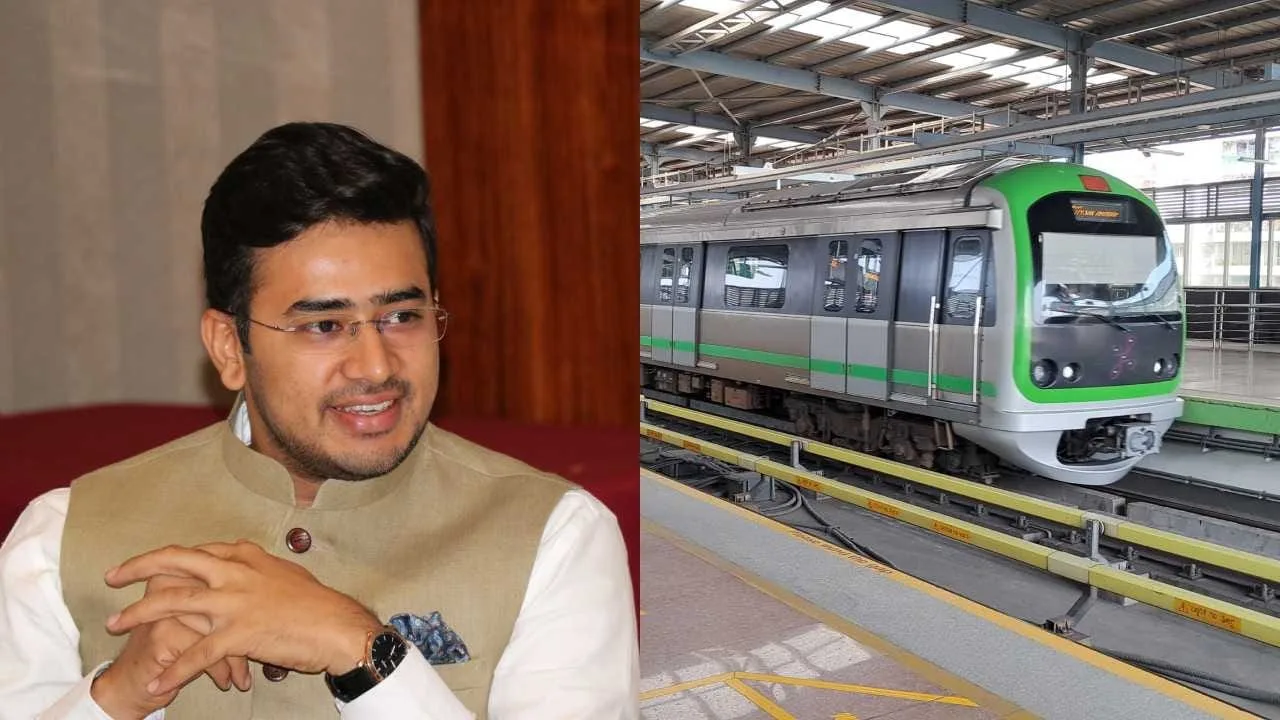
Bengaluru South MP Tejasvi Surya has emerged as one of the most vocal critics of the proposed fare increase. In a strongly worded letter addressed to Union Minister for Housing and Urban Affairs Manohar Lal Khattar, Chief Minister Siddaramaiah, Deputy Chief Minister and Bengaluru in-charge minister D K Shivakumar, Surya demanded an immediate halt to the annual fare hike mechanism.
He called for the reconstitution of the Metro Fare Fixation Committee and urged the authorities to first correct what he termed “serious calculation errors” made by BMRCL officials in the previous fare revision. According to Surya, imposing an automatic annual hike without addressing these fundamental issues would amount to institutionalising injustice against commuters.
“The metro is a public service, not a profit-driven enterprise. Repeated fare hikes undermine ridership, push people back to private vehicles, and worsen Bengaluru’s traffic and pollution crisis,” Surya stated.
Commuter groups warn of protests
Civil society organisations and commuter collectives have also raised an alarm. The Save Bengaluru Committee and the Bengaluru Metro Commuters’ Forum have warned of sustained protests if BMRCL proceeds with any further fare increase. They argue that instead of focusing on revenue generation through fare hikes, BMRCL should explore alternative funding models, improve operational efficiency, and ensure better last-mile connectivity to attract more riders.
“Metro fares in Bengaluru are already among the highest in the country when compared to average income levels. Frequent hikes are making the system unaffordable for students, daily wage workers, and lower-middle-class families,” said a spokesperson for the commuters’ forum.
Many commuters point out that while fares have risen sharply, service quality has not improved proportionately. Overcrowded trains during peak hours, inadequate frequency on certain lines, delays in project completion, and poor integration with BMTC services continue to plague the system.
Impact on public transport goals
Urban mobility experts warn that repeated fare hikes could have long-term consequences for Bengaluru’s transport ecosystem. The metro was envisioned as a solution to the city’s crippling traffic congestion and air pollution. However, higher fares risk discouraging ridership and pushing commuters back to private vehicles, undermining sustainability goals.
Experts have also questioned the rationale for automatic fare hikes, arguing that such decisions should be linked to service improvements, inflation indices, and public consultation rather than implemented mechanically.
As public anger grows, pressure is mounting on both the state and central governments to intervene decisively. Commuters are demanding not just a rollback of the proposed hike, but also greater transparency in fare calculations and a more inclusive decision-making process.