UCC impact on the protection of muslim women’s dignity and rights
June 7, 2026
  • Read Ecopy
  • Circulation
  • Advertise
  • Careers
  • About Us
  • Contact Us
Android AppiPhone AppArattai
Organiser
  • ‌
  • Bharat
    • Assam
    • Bihar
    • Chhattisgarh
    • Jharkhand
    • Maharashtra
    • View All States
  • World
    • Asia
    • Europe
    • North America
    • South America
    • Africa
    • Australia
  • Editorial
  • International
  • Opinion
  • RSS @ 100
  • More
    • Op Sindoor
    • Analysis
    • Sports
    • Defence
    • Politics
    • Business
    • Economy
    • Culture
    • Special Report
    • Sci & Tech
    • Entertainment
    • G20
    • Azadi Ka Amrit Mahotsav
    • Vocal4Local
    • Web Stories
    • Education
    • Employment
    • Books
    • Interviews
    • Travel
    • Law
    • Health
    • Obituary
  • Subscribe
    • Subscribe Print Edition
    • Subscribe Ecopy
    • Read Ecopy
  • ‌
  • Bharat
    • Assam
    • Bihar
    • Chhattisgarh
    • Jharkhand
    • Maharashtra
    • View All States
  • World
    • Asia
    • Europe
    • North America
    • South America
    • Africa
    • Australia
  • Editorial
  • International
  • Opinion
  • RSS @ 100
  • More
    • Op Sindoor
    • Analysis
    • Sports
    • Defence
    • Politics
    • Business
    • Economy
    • Culture
    • Special Report
    • Sci & Tech
    • Entertainment
    • G20
    • Azadi Ka Amrit Mahotsav
    • Vocal4Local
    • Web Stories
    • Education
    • Employment
    • Books
    • Interviews
    • Travel
    • Law
    • Health
    • Obituary
  • Subscribe
    • Subscribe Print Edition
    • Subscribe Ecopy
    • Read Ecopy
Organiser
  • Home
  • Bharat
  • World
  • Operation Sindoor
  • Editorial
  • Analysis
  • Opinion
  • Culture
  • Defence
  • International Edition
  • RSS @ 100
  • Magazine
  • Read Ecopy
Home Bharat

UCC and its impact on the protection of muslim women’s dignity and rights

The Uniform Civil Code(UCC) has a profound impact on Muslim women's rights and freedom in areas such as marriage, Triple Talak, inheritance of property etc. where the traditional muslim laws are inconsistent and biased towards women

Mahjabin BanuMahjabin Banu
Jan 11, 2026, 11:00 am IST
in Bharat, Analysis, Opinion, Law
Follow on Google News
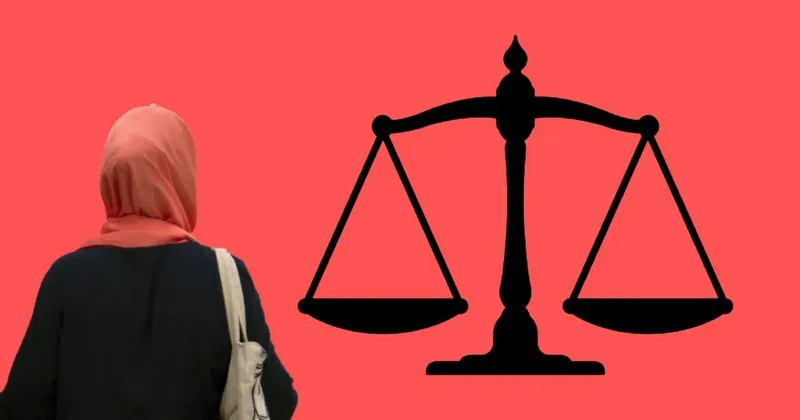
The UCC has a profound impact on the rights and freedom of the Muslim women

The UCC has a profound impact on the rights and freedom of the Muslim women

FacebookTwitterWhatsAppTelegramEmail

AIR 1985 SC 945, April 23, 1985, Case No. Civil Appeal No. 7454 of 1981, the Shah Bano case, is a pivotal legal issue with significant consequences for the rights of Muslim women. In 1932, Shah Bano married Mohammad Ahmad Khan, an advocate in Indore. She had 5 children from her marriage and after 14 years, her husband took a younger woman as a wife. At the age of 62, Shah Bano got a divorce. In 1978, Shah Bano filed a case for financial support from her husband under Section 125 of the Code of Criminal Procedure. The case drew attention to the absence of clear rules regarding financial support in Muslim personal law. Moreover, it was found that there is a clash between personal laws and the concept of the Uniform Civil Code.

The case sparked a nationwide discussion about women’s rights and gender equality. This case has also shed light towards necessity to address these inequalities and protect rights of the muslim women. The Shah Banu case had substantial political and social consequences. There was a clash as some parts of the society perceived it as an intrusion into religious affairs, while others regarded it as an essential step in securing women’s rights.

Shah Bano’s case is a base towards protection of muslim Women’s rights in India. The Supreme Court has protected a divorced muslim woman’s right to maintenance by ruling that Section 125 of the Criminal Procedure Code (CrPC) applies to all citizens, including Muslims, ensuring she receives alimony beyond the Islamic Iddat period. The Court stated that Section 125 CrPC, is a religion-neutral law and allows divorced muslim women also to claim maintenance from their husband, a right, i.e. not extinguished by personal laws.

After that, social and political discussion on secularism once again reached to its peak when Shayara Bano vs Union of India (filed writ petition (c) no. 118 of 2016) was a landmark judgement on August 22, 2017. The court ruled that the practice of triple Talak (instant) was unconstitutional and are manifestedly arbitrary. The decision was made by 5 bench judges with 3:2 majority. It was held that Triple Talaq violated article 14,15 and 21 of the Indian constitution. The majority decision reflected a historic move towards reforming personal laws and enhancing constitutional rights for the muslim women in India.

The implications of this judgment provide legal precedence for further personal law reforms and enhance protection for the rights of Muslim Women. Moreover, the case of Shayara Bano vs Union of India prompted the enactment of the Muslim Women (Protection of Rights on Marriage) Act, 2019. Therefore, towards the movement of women’s rights in India, UCC can be very helpful. Shayara Bano said that “with the implementation of UCC, the social system of the muslim community will improve.

Also Read: Land for Job Case: Rouse Avenue court frames charges against Lalu Yadav, Rabri Devi and others

While moving towards Viksit Bharat 2047, it’s important to understand UCC and its implications on women and for all. UCC, in simple terms, can be described as ‘one nation, one law’. It is important to understand that civic and criminal laws are the same for all citizens. Such as, the single age of marriage is now 21 years, which will abolish the ill treatment of muslim women in case of Polygamy, Halalah (other local practices, including instant triple Talak, etc.).

It will lead to change in areas like marriage, Triple Talak, a form of divorce, is already abolished and UCC may required consistent divorce procedure where the protection of rights of Indian muslim women are same as for all. Secondly, a case of inheritance of property, alteration of traditional muslims laws and it grants equal rights to sons and daughters. The path-breaking change can be done in terms of maintaining the dignity of women by prohibiting polygamy, which is only under the Islamic law. In family law matters related to maintenance and succession rights, which are governed by Islamic laws, the latter will not prevail. Hence, UCC has a profound impact on Muslim women’s rights and freedom.


Topics: Supreme CourtLawWomenGender equalityUniform Civil code (UCC)IndiaMuslim
Mahjabin Banu
Mahjabin Banu
The author is the HoD and Associate Professor at Department of Management Studies, Inderprastha Engineering College, Ghaziabad [Read more]
ShareTweetSendShareSend
✮ Subscribe Organiser YouTube Channel. ✮
✮ Join Organiser's WhatsApp channel for Nationalist views beyond the news. ✮
Previous News

Ayodhya enforces ban on meat, alcohol in hotels & food delivery platforms: VHP President Alok Kumar hails the decision

Next News

Uttar Pradesh: CM Yogi warns against divisions based on caste, creed, and community, citing Bangladesh’s situation

Related News

Why invading empires hated them?

Beyond NEET & CUET: The growing crisis of trust in India’s entrance tests; Decoding lasting solutions

Chairman of the Rastriya Swatantra Party of Nepal Rabi Lamichhane meets PM Modi in New Delhi

From the China Card to Development Diplomacy: Nepal opens a new chapter in its political reset with India

Forced to Remove the “Faith”: How Hindu students are targeted at exam centres

Editors of the HAF Wikipedia page run propaganda and disinformation campaign against the organisation, India and Hindu cultural ethos

Wikipedia fuels propaganda against Hindu American Foundation: How anonymous writers demonise Hindu rights group?

The Green Realignment: Why the US-India trade pact is a battle for climate and supply chain security

Load More

Latest News

Beneath the Minaret: The Hindu and Jain legacy burried under Qutub Minar

How Ramrajya and Kautilya’s Saptang model can build a prospering civilisation

Why invading empires hated them?

A representative image generated using AI

Hindu Hate Watch-A Weekly Tracker: 46 Incidents of violence, religious persecution, conversion recorded this week

Beyond NEET & CUET: The growing crisis of trust in India’s entrance tests; Decoding lasting solutions

West Bengal Set for Bullet Train Project, Says Railways Minister

Massive Rail Boost for West Bengal: Bullet train, 60 new metro rakes and Rs 14,205 crore allocation announced

Uttar Pradesh Chief Minister Yogi Adityanath reviewing meeting for upcoming Tourist Circuit

UP Charts New Tourism Vision: From Chhatrapati Shivaji Maharaj Museum to Vindhyachal Circuit

Visuals from the site of protest in Jantar Mantar

From ‘Azadi’ slogans to disrespect of national flag: Inside the Cockroach Janta Party protest at Jantar Mantar

Chairman of the Rastriya Swatantra Party of Nepal Rabi Lamichhane meets PM Modi in New Delhi

From the China Card to Development Diplomacy: Nepal opens a new chapter in its political reset with India

'Stand Up for Abhishek': Expelled TMC MLA Claims Party Was Asked to Applaud Mamata's Nephew After Crushing Election Defeat

West Bengal: Expelled TMC MLA Ritabrata claims party was asked to applaud Mamata’s nephew after crushing defeat

Load More
  • Privacy
  • Terms
  • Cookie Policy
  • Refund and Cancellation
  • Delivery and Shipping

© Bharat Prakashan (Delhi) Limited.
Tech-enabled by Ananthapuri Technologies

  • Home
  • Search Organiser
  • Bharat
    • Assam
    • Bihar
    • Chhattisgarh
    • Jharkhand
    • Maharashtra
    • View All States
  • World
    • Asia
    • Africa
    • North America
    • South America
    • Europe
    • Australia
  • Editorial
  • Operation Sindoor
  • Opinion
  • Analysis
  • Defence
  • Culture
  • Sports
  • Business
  • RSS @ 100
  • Entertainment
  • More ..
    • Sci & Tech
    • Vocal4Local
    • Special Report
    • Education
    • Employment
    • Books
    • Interviews
    • Travel
    • Health
    • Politics
    • Law
    • Economy
    • Obituary
  • Subscribe Magazine
  • Read Ecopy
  • Advertise
  • Circulation
  • Careers
  • About Us
  • Contact Us
  • Policies & Terms
    • Privacy Policy
    • Cookie Policy
    • Refund and Cancellation
    • Terms of Use

© Bharat Prakashan (Delhi) Limited.
Tech-enabled by Ananthapuri Technologies