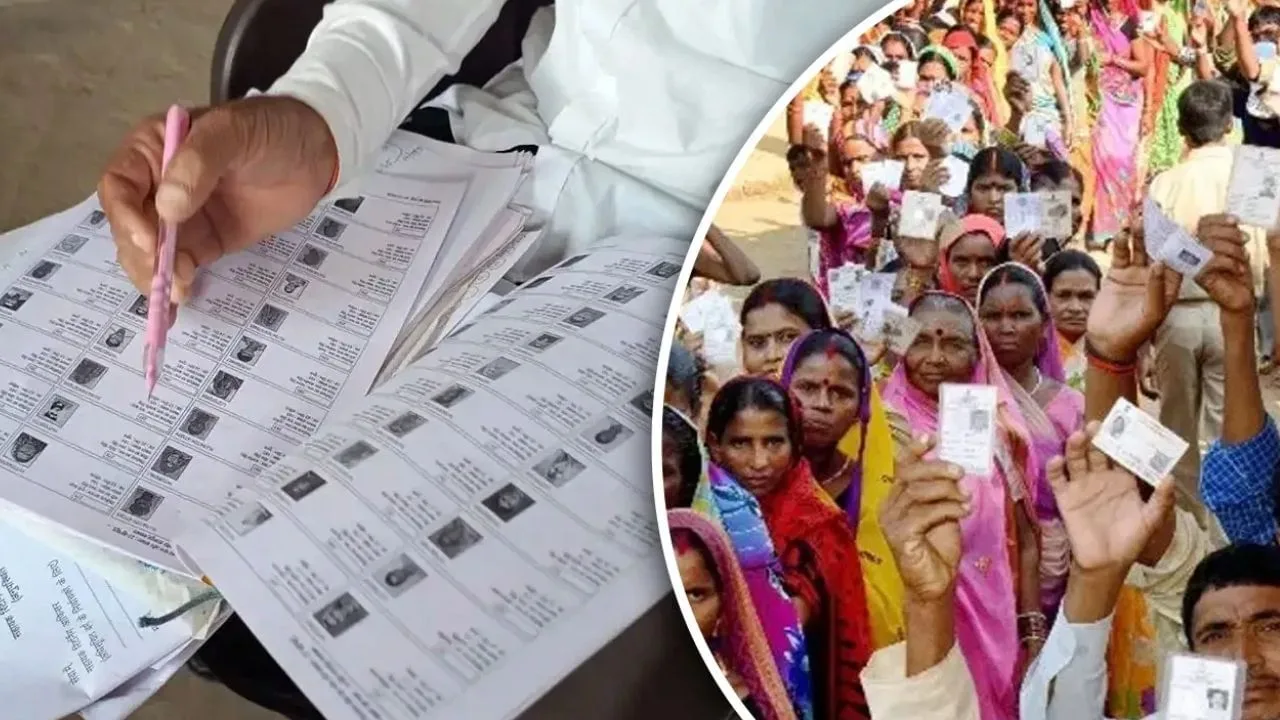
The Election Commission of India (ECI) on December 19, 2025, published the Integrated Draft Electoral Roll for Gujarat after completing the Special Intensive Revision (SIR) of voter lists across the state. The exercise, conducted with January 1, 2026, as the qualifying date, is aimed at ensuring accuracy, inclusiveness, and transparency in the electoral rolls ahead of future elections.
With the publication of the draft roll, voters in Gujarat now have a one-month window, until January 18, 2026, to verify their details and submit claims, objections, or corrections, after which the final electoral roll will be notified only once all valid claims and objections are examined and disposed of by the Election Commission.
The SIR exercise is a critical administrative process undertaken periodically to remove discrepancies such as duplicate entries, incorrect details, or names of deceased or shifted voters, while also ensuring that all eligible citizens are included in the voter list.
Why the Special Intensive Revision Matters?
Electoral rolls form the backbone of any democratic election process, and errors in voter lists, whether omissions or incorrect entries, can lead to disenfranchisement, confusion at polling stations, and allegations of irregularities. The Special Intensive Revision seeks to address these concerns by conducting a door-to-door verification exercise through Booth Level Officers (BLOs), cross-checking records, and updating databases, and in Gujarat, the SIR involved verification of existing electors, identification of voters who have shifted residences, removal of names of deceased persons, and inclusion of new eligible voters who attained the age of 18 on or before January 1, 2026.
How to check your name in the Gujarat draft voter list
The ECI has provided multiple online and offline platforms to make voter verification accessible and convenient, allowing voters to confirm their enrolment status through official digital and physical channels.
Online Verification Options: Voters can check their enrolment status through the Voters’ Service Portal (VSP) by visiting voters.eci.gov.in and selecting the “Search in Electoral Roll” option, where they can search using their EPIC (Voter ID) number, mobile number, or personal details such as name, age, district, and Assembly constituency, with the portal displaying the voter’s name, serial number, polling station details, and constituency information.
The Voter Helpline App, available on both Android and iOS platforms, also allows voters to check enrolment status, locate polling stations, view serial number and part number, and track applications for claims or corrections.
Additionally, the official website of the Chief Electoral Officer, Gujarat (ceo.gujarat.gov.in), hosts the integrated draft electoral rolls, including booth-wise PDF lists for all 182 Assembly constituencies, enabling voters to verify their details in the context of their local polling booth.
Offline Verification for Voters: For those without internet access or who prefer physical verification, the ECI has ensured offline options, with physical copies of the draft electoral roll available at local polling stations, inspection facilities at the offices of the Mamlatdar or the Electoral Registration Officer (ERO), and district-level portals publishing lists of voters marked as Absent, Shifted, or Deceased (ASD) to enhance transparency and allow families or neighbours to flag errors.
What if your name is missing or details are incorrect?
The publication of the draft roll formally initiates the Claims and Objections period, which runs from December 19, 2025, to January 18, 2026, during which voters can seek inclusion, deletion, or correction of entries by submitting the prescribed forms.
Key Forms Explained: Form 6 is used for new voter registration or inclusion of names omitted from the roll and applies to first-time voters, eligible citizens whose names are missing, and individuals who have shifted constituencies; Form 7 is used to object to an incorrect inclusion or request deletion of a name, such as in cases of deceased voters, permanent relocation, or wrongful enrolment; and Form 8 is used for corrections in existing entries, including errors in name spelling, age, gender, address, or to replace unclear or outdated photographs.
How and Where to Submit Claims or Objections: The ECI has enabled both online and offline submission modes to ensure maximum accessibility, with online forms being submitted through the Voters’ Service Portal or the Voter Helpline App, allowing applicants to upload scanned copies of supporting documents and receive a tracking ID to monitor the status of their application in real time, while offline submissions can be made by submitting physical forms to the local Booth Level Officer (BLO) or at the office of the Electoral Registration Officer (ERO) at the taluk, municipal, or district level, with election officials advising voters to retain acknowledgement receipts for follow-up.
Documents Required for Claims and Corrections: To process claims or corrections, voters must submit self-attested copies of valid documents, including identity and age proof such as Aadhaar card, PAN card, passport, birth certificate, or school leaving certificate, address proof such as Aadhaar card, bank passbook, registered rent agreement, or recent electricity, water, or telephone bill, and for new registrations under Form 6, two recent passport-sized colour photographs are also required.
Verification and Disposal of Claims: Once submitted, claims and objections are verified by Booth Level Officers through field visits and document checks, after which the Electoral Registration Officer passes orders on each application, with the ECI emphasising that due process will be followed to balance inclusiveness with the integrity of the electoral roll, and after disposal of all claims and objections, the final electoral roll will be published as the authoritative voter list for upcoming elections in Gujarat.
Why voter verification is crucial?
Election officials have repeatedly urged citizens not to assume that their names automatically remain on the voter list, as changes in residence, clerical errors, or data mismatches can lead to omissions or inaccuracies, and verifying details during the draft stage is the only opportunity for voters to correct errors without facing difficulties on polling day, with the ECI underlining that an accurate electoral roll strengthens democratic participation and prevents disputes during elections.
With the clock ticking on the claims and objections window, voters are advised to check their names immediately on official platforms, verify spelling, age, address, and polling station details, assist elderly family members or neighbours in verification, and submit corrections well before the January 18, 2026, deadline, as the Election Commission has reiterated that public cooperation is essential to ensure that no eligible voter is left out and that the final electoral roll reflects the true democratic will of the people of Gujarat.