New labour regime extends legal protections to artists, creators, and digital workers for the first time
June 25, 2026
  • Read Ecopy
  • Circulation
  • Advertise
  • Careers
  • About Us
  • Contact Us
Android AppiPhone AppArattai
Organiser
  • ‌
  • Bharat
    • Assam
    • Bihar
    • Chhattisgarh
    • Jharkhand
    • Maharashtra
    • View All States
  • World
    • Asia
    • Europe
    • North America
    • South America
    • Africa
    • Australia
  • Editorial
  • International
  • Opinion
  • RSS @ 100
  • More
    • Op Sindoor
    • Analysis
    • Sports
    • Defence
    • Politics
    • Business
    • Economy
    • Culture
    • Special Report
    • Sci & Tech
    • Entertainment
    • G20
    • Azadi Ka Amrit Mahotsav
    • Vocal4Local
    • Web Stories
    • Education
    • Employment
    • Books
    • Interviews
    • Travel
    • Law
    • Health
    • Obituary
  • Subscribe
    • Subscribe Print Edition
    • Subscribe Ecopy
    • Read Ecopy
  • ‌
  • Bharat
    • Assam
    • Bihar
    • Chhattisgarh
    • Jharkhand
    • Maharashtra
    • View All States
  • World
    • Asia
    • Europe
    • North America
    • South America
    • Africa
    • Australia
  • Editorial
  • International
  • Opinion
  • RSS @ 100
  • More
    • Op Sindoor
    • Analysis
    • Sports
    • Defence
    • Politics
    • Business
    • Economy
    • Culture
    • Special Report
    • Sci & Tech
    • Entertainment
    • G20
    • Azadi Ka Amrit Mahotsav
    • Vocal4Local
    • Web Stories
    • Education
    • Employment
    • Books
    • Interviews
    • Travel
    • Law
    • Health
    • Obituary
  • Subscribe
    • Subscribe Print Edition
    • Subscribe Ecopy
    • Read Ecopy
Organiser
  • Home
  • Bharat
  • World
  • Operation Sindoor
  • Editorial
  • Analysis
  • Opinion
  • Culture
  • Defence
  • International Edition
  • RSS @ 100
  • Magazine
  • Read Ecopy
Home Bharat

New labour regime extends legal protections to artists, creators, and digital workers for the first time

In a major overhaul aimed at safeguarding the rights of India’s rapidly expanding creative workforce, the government has rolled out strengthened labour protections for professionals across the film, television, OTT, digital media, and entertainment sectors. The reforms, anchored in the consolidation of 29 labour laws into four comprehensive Labour Codes, promise improved wages, safer working conditions, and wider social security coverage for millions of audio-visual workers

Shashank Kumar DwivediShashank Kumar Dwivedi
Dec 12, 2025, 02:00 pm IST
in Bharat
Follow on Google News
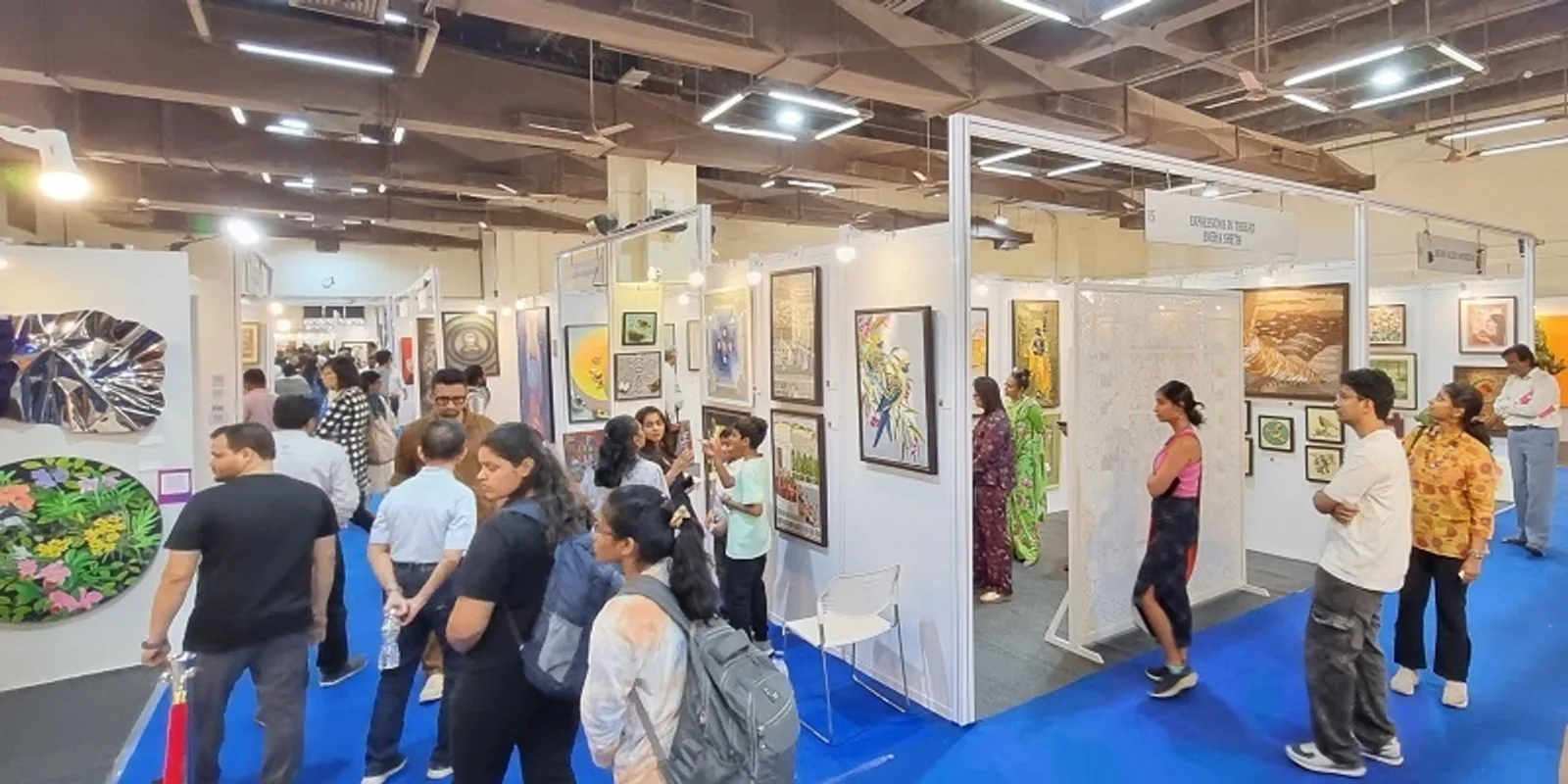
A representative image

A representative image

FacebookTwitterWhatsAppTelegramEmail

The Indian government has launched a comprehensive reform of labour protections for the audio-visual sector, one of the fastest-growing and most diverse segments of the Indian economy. The sector has witnessed unprecedented expansion over the past decade with the rise of OTT platforms, digital content creators, gaming, dubbing studios, animation, stunt coordination, and multi-format storytelling. Recognising this transformation, policymakers have introduced a modernised, unified labour framework intended to address long-standing gaps in wage security, workplace safety, employment contracts, and social protection.

The reforms mark a significant shift for an industry that, until now, relied heavily on informal work arrangements, fragmented legal coverage, and inconsistent labour practices across different media formats. The restructured framework, stemming from the consolidation of 29 separate labour laws into four Labour Codes, is being hailed as a long-awaited corrective measure for a workforce that has struggled with unpredictable incomes, erratic work hours and a lack of basic protections.

New Era: ‘Audio-Visual Workers’

At the heart of the reform is the expansion of the legal definition of workers in the creative sector. The outdated category of “cine workers” has been formally replaced by the broader and more inclusive term “audio-visual workers”. This change reflects the wider spectrum of professions that now power India’s entertainment and digital content ecosystem.

The new definition offers legal recognition and formal protections to:

Digital media creators
OTT production crew members
Dubbing artists
Stunt professionals and fight choreographers
Electronic media journalists
Post-production technicians
Sound engineers, editors and visual-effects artists
Gaming and animation professionals

By placing these diverse roles under a common labour umbrella, the reforms aim to ensure consistency in social security entitlements, transparency in wage structures, and employability protections across the sector.

Mandatory Employment Contracts and Wage Transparency

One of the biggest changes introduced under the new framework is the requirement for formal appointment letters for all workers employed in the sector. This includes project-based, contract-based and seasonal workers who have historically worked without written agreements.

These appointment letters must clearly specify:

Terms of employment
Designation and work responsibilities
Wage components and payment timelines
Social security benefits
Working hours and leave entitlements

The government has also made wage slips mandatory to be issued either physically or electronically, ensuring workers receive an accurate record of their earnings and statutory deductions. This is expected to significantly reduce wage disputes and improve financial transparency.

To further support workers seeking legal remedies, the window for filing labour claims has been expanded to three years, a substantial increase that allows individuals more time to report wage delays, non-payment or contract violations.

Under the new labour codes, minimum wages will now apply universally. Earlier, only occupations listed under “scheduled employment” were guaranteed minimum wage protections. This change ensures that no audio-visual worker whether a spot boy on a film set or a graphic designer in a digital studio, can be legally paid below the government-notified rate.

The establishment of a national floor wage, which will be periodically revised, ensures baseline uniformity in earnings and reduces wage disparities across states. Experts believe this move will discourage distress-driven migration and uplift incomes across lower-wage segments of the entertainment industry.

Wage payments must now adhere to strict timelines based on the nature of employment monthly, weekly or daily, preventing delays that have long plagued contract and daily-wage workers. Overtime, often unpaid or underpaid in the industry, must now be compensated at twice the normal wage rate, and only with the worker’s explicit consent.

Producers Bear Responsibility for Dues in Contracted Work

A significant protection introduced under the reforms is the enhanced liability placed on producers when contractors fail to clear worker payments. Previously, compensation provisions were restricted by wage ceilings, limiting their applicability. Under the new rules, this ceiling has been removed, making producers accountable for ensuring that everyone working under their production umbrella is paid fully and fairly.

Workers earning within government-specified wage limits will continue to be eligible for an annual bonus of up to 20 percent, reinforcing income stability.

The Occupational Safety, Health and Working Conditions Code introduces a wide range of protections tailored to the unique risks faced by the audio-visual workforce. These measures now apply to all establishments linked to production, post-production, broadcasting and digital content creation.

Key provisions include:

Capping normal working hours at eight per day or 48 per week
Mandatory consent for extended working hours
Overtime payment at twice the normal rate
Free annual health check-ups for workers above 40
Comprehensive workplace safety protocols, particularly relevant for stunt performers, technicians, and on-set crews

The threshold for accessing annual paid leave has been reduced from 240 days to 180 days, expanding leave eligibility to a larger share of the workforce, particularly those working in seasonal or project-based roles.

Stronger Gender Equality Protections

The reformed labour framework expressly prohibits gender-based discrimination in recruitment, wages and working conditions. Given the rising number of women in digital media, production design, journalism and creative roles, these protections are expected to foster safer, more equitable workplaces.

Women will be entitled to equal pay for equal work, and employers must ensure safe working environments in accordance with broader occupational safety norms.

Industry experts describe the new labour protections as a transformational step for India’s creative and digital sectors, which employ lakhs of workers directly and indirectly. The reforms aim to address deeply rooted challenges, informality, inconsistent pay, lack of social security and unsafe working conditions, while aligning the sector with modern global labour practices.

As India’s content creation industries continue to expand in scale and diversity, the new labour codes offer a robust framework to ensure that the workforce driving this growth receives the protections, dignity and security it deserves.

Topics: Audio-Visual WorkersOTT PlatformsFilm Industry‘Social securityMinimum wagesLABOUR CODESOccupational Safety
ShareTweetSendShareSend
✮ Subscribe Organiser YouTube Channel. ✮
✮ Join Organiser's WhatsApp channel for Nationalist views beyond the news. ✮
Previous News

75 Years of Thalaiva: PM Modi lauds Rajinikanth for generational impact and remarkable five-decade film career

Next News

Awami League rejects Bangladesh elections scheduled by the ‘killer fascist Yunus clique’s illegal Election Commission’

Related News

Surendran Bojji, All India Organising Secretary of the Bharatiya Mazdoor Sangh(BMS) speaking at Geneva

India’s new labour codes impart security & social protection: BMS Secretary Surendran Bojji at Int Labour Conference

Prime Minister Narendra Modi (Right)

Modi govt blocks five OTT platforms over obscene content, tightens digital crackdown under IT rules

Kerala: BMS declines to join February 12 national strike called by Sanyukta Kisan Morcha, confirms duty attendance

Representative Image for Ayushman Vay Vandana Yojna

Ayushman Vay Vandana: Empowering India’s elderly with Universal Health Security

Representative Image

Welfare Populism: Not just a budgetary concern, but a question of national economic stability

A representative image

How the economic reforms of 2025 rewired taxes, jobs and growth for Bharat

Load More

Latest News

Delhi HC adjourns Jawad Siddiqui’s plea seeking 6-week interim bail

Al-Falah Trust Case: ED opposes interim bail for chairman Jawad Ahmad, cites risk of concealing Rs 493 cr proceeds

Twin earthquakes devastate Venezuela

Venezuela Earthquake 2026: Powerful 7.5 & 7.2 magnitude tremors leave the country in ruins; State of emergency declared

Pakistan’s Defence Minister, Khawaja Muhammad Asif

Pakistan Defence Minister Khwaja Asif sparks fury in POJK, labels Mirpuris &  Rawalakot residents ‘Non-Kashmiris’

Sunil Ambekar (Akhil Bharatiya Prachar Pramukh Rashtriya Swayamsevak Sangh addressing the gathering in Patna

The Emergency taught us that a vigilant society is essential to protect democracy: Sunil Ambekar ji

Punjab Moga Massacre 1989: When Khalistani terrorists turned an RSS shakha into a killing field

From sovereign satellite networks to human spaceflight, India is building the foundations of a globally competitive space power

India eyes a $45 billion space economy by 2033: AnanthSat-1’s 2029 launch heralds the private satellite age

Emergency and RSS- The resistance years: Sangh, society and restoration of democracy

Andhra Pradesh Chief Minister N. Chandrababu Naidu inaugurates the Jonnagiri Gold Mining Project in Kurnool district

Andhra Pradesh: CM Chandrababu Naidu lunches first major gold mining project in Kurnool district

AI-generated image for representation

Tamil Nadu: School teacher faces action over alleged humiliation of menstruating student

Cochin Shipyard (File Photo)

Keralam: ‘I Love Pakistan’ inscription found inside vessel at Cochin Shipyard; Central agencies launch probe

Load More
  • Privacy
  • Terms
  • Cookie Policy
  • Refund and Cancellation
  • Delivery and Shipping

© Bharat Prakashan (Delhi) Limited.
Tech-enabled by Ananthapuri Technologies

  • Home
  • Search Organiser
  • Bharat
    • Assam
    • Bihar
    • Chhattisgarh
    • Jharkhand
    • Maharashtra
    • View All States
  • World
    • Asia
    • Africa
    • North America
    • South America
    • Europe
    • Australia
  • Editorial
  • Operation Sindoor
  • Opinion
  • Analysis
  • Defence
  • Culture
  • Sports
  • Business
  • RSS @ 100
  • Entertainment
  • More ..
    • Sci & Tech
    • Vocal4Local
    • Special Report
    • Education
    • Employment
    • Books
    • Interviews
    • Travel
    • Health
    • Politics
    • Law
    • Economy
    • Obituary
  • Subscribe Magazine
  • Read Ecopy
  • Advertise
  • Circulation
  • Careers
  • About Us
  • Contact Us
  • Policies & Terms
    • Privacy Policy
    • Cookie Policy
    • Refund and Cancellation
    • Terms of Use

© Bharat Prakashan (Delhi) Limited.
Tech-enabled by Ananthapuri Technologies