The Union government is set to introduce a significant overhaul in the taxation structure for tobacco, gutka and pan masala products as Finance Minister Nirmala Sitharaman tables two major bills in the Lok Sabha on Monday, 1 December 2025. The move marks the beginning of a new tax regime for the tobacco and pan masala industry as India approaches the end of the GST compensation cess era. Notably, the initiative seeks to ensure that once the long-running compensation cess is discontinued, the tax burden on high-risk goods does not decline, while giving the government more room to increase excise duties in the future when required for public health or fiscal reasons.
The first of the two bills, the Central Excise Amendment Bill, 2025, is designed to replace the current GST compensation cess that is levied on a range of tobacco products. These include cigarettes, cigars, cheroots, bidis, hookah tobacco, chewing tobacco, zarda, and branded scented tobacco. Tobacco products are among the most heavily taxed items in India because of their well-documented public health impacts. The explanatory note of the bill states that the amendment has been introduced “to give the government the fiscal space to increase the rate of central excise duty on tobacco and tobacco products so as to protect tax incidence” once the GST compensation cess comes to an end. In simple terms, this means the government wants to ensure that it can increase taxes on cigarettes and other tobacco products independent of GST if public health concerns or revenue needs arise in the future.
The GST compensation cess, originally introduced in 2017 when the Goods and Services Tax regime was rolled out, was designed to compensate states for revenue losses due to the shift to GST. While it was meant to operate for only five years, the COVID-19 pandemic disrupted government finances and forced the Centre to borrow heavily to compensate states. As a result, the cess was extended to 2026 to allow the Centre to repay its Covid-era loans. With these repayments set to conclude in December this year, the cessation of the compensation cess has triggered the need for a new taxation structure for sin goods, especially tobacco, where the government does not want any drop in tax collection.
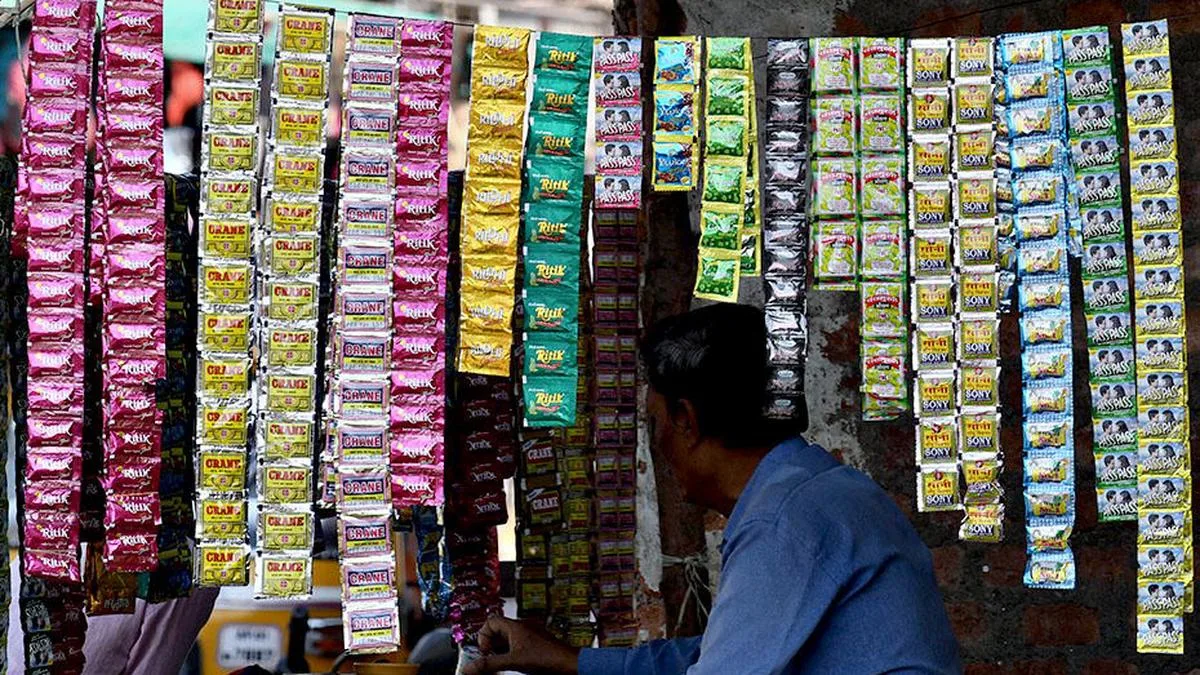
Parallel to this, the second bill to be tabled, the Health Security se National Security Cess Bill, 2025, introduces a new cess specifically on the manufacture of pan masala. This includes gutka, flavoured pan masala, and other similar products that have been under increasing scrutiny for their health impacts, especially oral cancers. The bill empowers the government to notify additional products under its ambit in the future, meaning the cess could later include other items considered harmful or socially undesirable.
According to officials familiar with the drafting of the bill, the cess will be applied on top of all existing taxes, including GST. This means that pan masala manufacturers will pay GST at the applicable rate, plus the newly created cess. The structure has been designed to allow flexibility: if the government wants to include packaged tobacco-pan masala mixtures or other emerging products later, it can do so through simple notification without needing to amend the law each time.
A key administrative feature of the new cess is the requirement of self-declaration by manufacturers. Every pan masala manufacturer must provide detailed disclosures of all machinery installed at each manufacturing unit, along with the full description of production processes. This disclosure will allow authorities to calculate the cess separately for each factory location. The unit-wise approach is intended to prevent underreporting and ensure that production volumes and tax liabilities are accurately tracked. Officials say this mechanism is particularly important because pan masala and gutka manufacturing has historically seen cases of tax leakage due to undeclared machinery or unreported production shifts.
Under the proposed system, tobacco products will attract both GST and central excise duty, while pan masala will attract GST plus the new Health–National Security Cess. This marks a clear separation in how the two categories of sin goods will be treated going forward. While tobacco moves firmly into an excise-plus-GST structure, pan masala will operate under GST-plus-cess. Together, these systems ensure that even after the elimination of the GST compensation cess, the overall tax burden on these items does not reduce.
Another important change lies in the updated GST rate structure. With GST recently rationalised into two slabs, 5 percent and 18 percent for most goods and services, sin goods such as cigarettes, gutka, pan masala and ultra-luxury products have been placed in a special 40 percent category. This higher GST rate is reserved for items classified as demerit goods, i.e., products considered harmful, addictive or socially undesirable. The Centre has been keen to maintain strong taxation on such goods not only to discourage consumption but also to protect public health spending, much of which goes into treating diseases associated with tobacco and pan masala.
The government’s introduction of these bills is broadly seen as a pre-emptive move to avoid a sudden fall in revenue—a situation that could arise once the compensation cess ends. Experts say the revenue earned from the compensation cess has historically helped states maintain fiscal stability, and any reduction in tax on tobacco or pan masala could sharply reduce government earnings. The bills thus aim to maintain continuity and ensure that taxation levels remain stable even after the cess framework winds down.
Industry stakeholders and taxation experts are already analysing the potential impact of these bills. Tobacco companies are expected to face a higher or at least stable tax burden, which could influence pricing strategies and possibly increase the retail prices of cigarettes and other tobacco products. Public health activists, however, have welcomed the possibility of higher excise duties, noting that increased taxes have historically been one of the most effective tools in reducing tobacco consumption. Pan masala manufacturers, particularly those producing gutka, are expected to face more stringent oversight under the new self-declaration requirements, which could reduce unaccounted production.
The introduction of these bills signals that the government is determined to maintain strict taxation on sin goods post-GST compensation era. By ensuring fiscal flexibility through excise duties on tobacco and creating a fresh cess for pan masala, the Centre aims to protect both revenue stability and public health. As Parliament debates the two bills, the focus will be on how effectively the reforms balance fiscal needs with the larger social goal of discouraging harmful products.