Since 2014, Bharat has embarked on a quiet revolution in defence—where the pulse of innovation in everyday technology beats steadily alongside the march of military progress. Far from the roar of tanks and fighter jets, this transformation is taking shape in laboratories, startups and sprawling civilian industries — a reimagining of Bharat’s military strength forged not just in arsenals but in the fertile ground of civilian technology. At the heart of this evolution lies the elegant concept of “dual-use technologies”: innovations that seamlessly serve both civilian life and the imperatives of national security. This shift marks a strategic departure from the long-standing tradition of isolated defence production, heralding a new era of agility, integration, and self-reliance.
Boost to Defence Production
For decades, Bharat’s defence manufacturing was anchored by large public sector giants such as Hindustan Aeronautics Limited (HAL) and Bharat Electronics Limited (BEL). These institutions, while foundational, operated within rigid silos, divorced from the dynamism of Bharat’s burgeoning civilian technological sectors. This structural disconnect slowed innovation and perpetuated a reliance on foreign technology imports — a constraint that Bharat’s leadership has since recognised as untenable in a world racing toward rapid technological change. Defence production reached Rs 1.27 lakh crore in FY 2023–24, a 174 per cent increase since 2014–15, driven by policies like the Positive Indigenisation Lists (PILs), which banned imports of 4,666 items.
Bridging the Gap
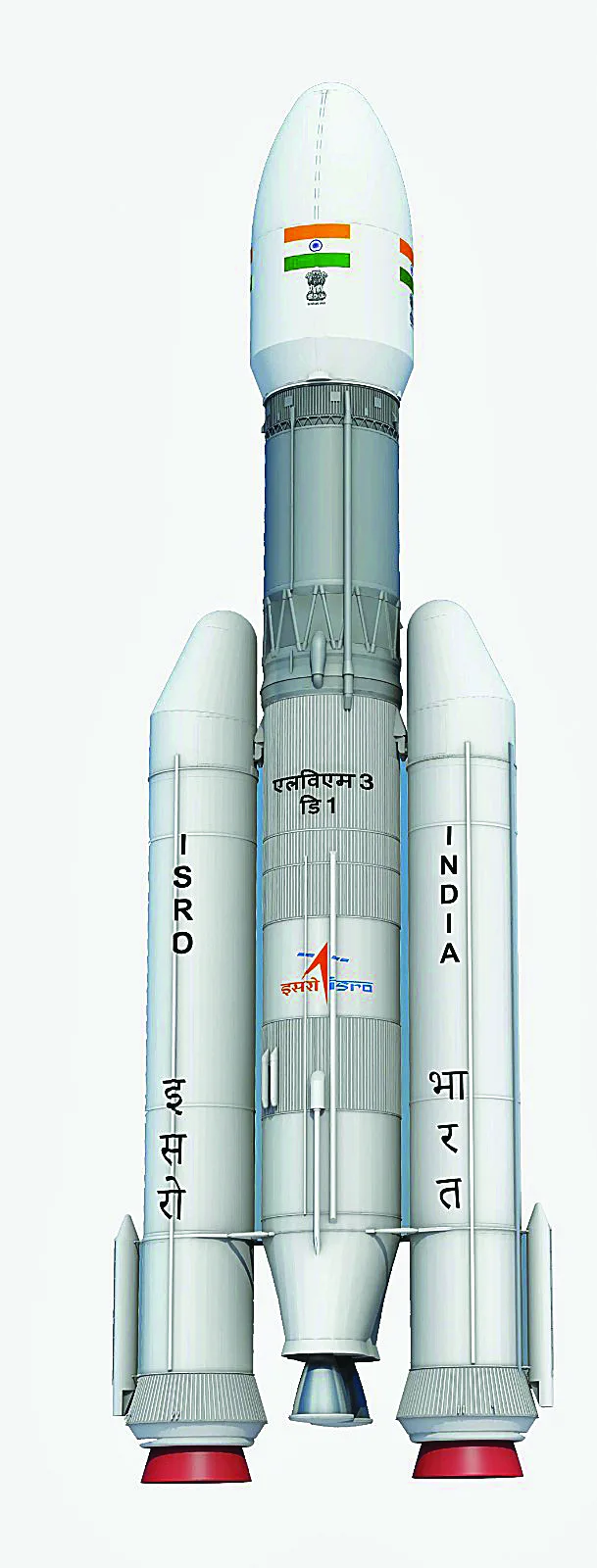
The Modi Government’s response was both bold and visionary: dismantle the walls between civilian ingenuity and military necessity. Reforms in Defence Procurement Procedure opened the gates for indigenous civilian innovations to be retooled for defence applications. The Defence India Startup Challenge, launched in 2018, became a beacon inviting fresh talent from the realms of AI, robotics, and materials science to collaborate with the traditionally closed defence establishment. Suddenly, Bharat’s defence innovation ecosystem was infused with the speed, creativity, and entrepreneurial spirit of the private sector. The Indian Space Research Organisation (ISRO), jewel in Bharat’s technological crown, epitomises this synergy. Known globally for cost-effective milestones like the Mars Orbiter Mission and Chandrayaan lunar probes, ISRO has emerged as a pivotal partner in Bharat’s defence ambitions. The NavIC satellite navigation system, initially designed for civilian purposes, now empowers the Indian military with a sovereign positioning network — a strategic lifeline that reduces dependency on foreign GPS systems and enhances battlefield autonomy. Beyond navigation, ISRO’s expanding commercial satellite manufacturing capabilities underpin a robust dual-use space infrastructure critical to modern warfare.
The Defence Innovation Organisation (DIO), launched in 2020, acts as an incubator and accelerator for startups and research institutions working on cutting-edge dual-use technologies
Bharat’s telecommunications revolution offers another vivid tableau of civilian-military convergence. The phenomenal growth driven by Reliance Jio’s affordable 4G network created a vast, sophisticated communications backbone now adapted for defence use. Recently, Jio deployed its indigenous full-stack 5G technology at a forward post in Siachen using pre-configured, plug-and-play equipment. The pursuit of indigenous 5G technology under the “Make in India” banner signals a determined march toward secure, resilient military communications capable of withstanding cyber onslaughts. Collaborations between Government research labs and private industry are giving birth to encrypted battlefield networks — a crucial edge in an era where information is a weapon as lethal as any missile. The automotive sector, the world’s fourth largest, further exemplifies this trend. Civilian manufacturers, with their mass production prowess and engineering innovation, have been called upon to develop tactical vehicles, armored carriers, and electric propulsion systems tailored for military demands. The Automotive Research Association of India (ARAI) bridges the gap, certifying and refining these platforms to meet stringent defense standards. Emerging electric propulsion technologies, initially crafted for the commercial market, are now powering silent, long-endurance unmanned aerial vehicles — vital tools for reconnaissance and surveillance on Bharat’s frontiers.
Policy reforms underpin this multi-sectoral renaissance. Export controls have been eased, licensing streamlined, and frameworks like the Defence Technology and Trade Initiative (DTTI) expanded domestically to promote seamless collaboration between public sector units, private industry, and academia. The Defence Innovation Organisation (DIO), launched in 2020, acts as an incubator and accelerator for startups and research institutions working on cutting-edge dual-use technologies, buoyed by Government incentives that reward innovation aligned with national security goals. The fruits of this transformation are visible on multiple fronts. Defense startups deploy AI-enabled drones and robotic systems adapted from commercial platforms. Electronics manufacturing hubs in Hyderabad and Bengaluru churn out microelectronics originally designed for consumer markets, now embedded in missile guidance and secure communication devices. The Defence Research and Development Organisation (DRDO) partners closely with ISRO and private satellite firms to build indigenous communication terminals deployed along sensitive borders — a testament to the deepening civilian-military technological interweaving. The ISRO-DRDO collaboration has enabled secure military communications and surveillance systems. Private firms like Digantara and Pixxel are building satellites under the Space-Based Surveillance-3 (SBS-3) programme, with 31 satellites assigned to private companies—a first for Bharat’s military.
Behemoths of industry have oft-transitioned to strategic technology development. Larsen & Toubro (L&T) originally gained technological prowess through offshore oil and gas platform engineering. These capabilities enabled it to become a major partner in building India’s nuclear submarine hulls, including components for the INS Arihant—a stellar example of civilian-industrial experience informing critical military hardware. Mahindra and Tata, known for civilian vehicles, now manufacture specialised armoured vehicles for the Armed Forces, such as the Mahindra Mine Protected Vehicle and Tata Kestrel. Many of the engineering principles and assembly line innovations come directly from their civilian SUV and commercial vehicle programs. Startups like ideaForge and BotLab Dynamics, which originally developed drones for agricultural monitoring, event photography, and warehouse logistics, are now suppliers of tactical UAVs to Indian defence forces. Some of these drones are used in border surveillance and counter-insurgency operations. India’s push for electric vehicles (EVs) in the civilian sector has opened avenues for electric propulsion in silent reconnaissance vehicles and drones. DRDO is now working with EV firms on adapting this tech to reduce acoustic signatures in tactical operations.

Many Indian cybersecurity startups, originally meant to protect enterprise data centers, are now being quietly integrated into military projects through partnerships with the National Technical Research Organisation (NTRO) and Defence Cyber Agency (DCA) to ensure end-to-end encryption of battlefield communications. Indian Railways’ Research Design and Standards Organisation (RDSO) has contributed to shock absorption, braking systems, and track durability tech, which has been adapted into military logistics vehicles, especially for high-altitude terrain mobility. Startups working on precision agriculture and Geographic Information Systems (GIS) for crop monitoring are now supplying terrain analytics and satellite data overlays for military route planning, threat assessment, and border infrastructure management.
Strategically, the benefits of harnessing civilian dual-use technologies are profound. Development cycles shrink, costs fall, and defense capabilities evolve in lockstep with the rapid innovations typical of civilian tech sectors. This approach offers India a significant competitive advantage in a world where technological agility is paramount. Sovereign satellite navigation and communications systems diminish vulnerabilities to foreign supply disruptions and cyber threats, an increasingly critical factor as geopolitical tensions mount. Yet, the journey is not without challenges. Harmonising the cultures and priorities of civilian enterprises and the military requires sustained dialogue and collaboration. Rigorous standards for security, reliability, and durability must be developed to ensure civilian-origin technologies withstand the unforgiving demands of combat environments.
Bharat’s defence modernisation story is far more than the sum
of its high-profile indigenous weapons projects
These hurdles, however, are being addressed with determination and strategic foresight. In essence, Bharat’s defence modernisation story is far more than the sum of its high-profile indigenous weapons projects or large procurement deals. It is a subtle, systemic revolution — the quiet alchemy of civilian innovation transmuted into military strength. By weaving together the capabilities of its space programme, telecommunications infrastructure, and automotive industry, Bharat is crafting a defence ecosystem that is innovative, resilient, and distinctly its own. As global technological rivalries intensify, this silent defence renaissance may prove to be one of the Modi Government’s most enduring legacies — a testament to Bharat’s ascent as a self-reliant, technologically sovereign military power on the world stage. From every spark of sentience, from every sentinel of Ma Bharati, Bharat’s dual-use might now bloom.