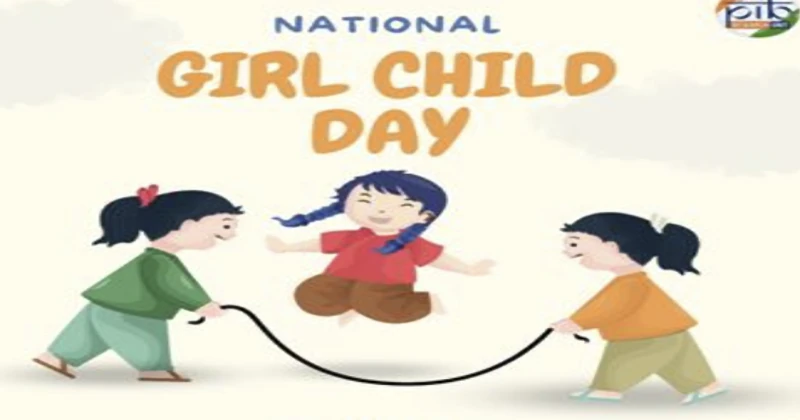
Every year on January 24, India observes National Girl Child Day, an occasion dedicated to girls’, education, and welfare nationwide. Established in 2008 by the Ministry of Women and Child Development, this day reminds us of girls’ critical role in shaping a prosperous and equitable society. It underscores the importance of giving girls the tools they need to thrive, such as quality education, equal opportunities, and a life free from discrimination and inequality. The day celebrates girls’ achievements and serves as a call to action to address their challenges in various spheres of life.
Advocating for Equal Rights and Opportunities
National Girl Child Day is a platform to advocate for girls’ rights and highlight the persistent gender-based disparities in society. It emphasises the necessity of dismantling societal norms and biases that hinder girls’ progress, ensuring that they are treated with the respect and dignity they deserve. The day encourages government bodies, NGOs, and individuals to work collectively toward eliminating barriers like gender discrimination, child marriage, and limited access to education. By promoting initiatives that support girls’ development, the day seeks to create a society where they can achieve their full potential and contribute meaningfully to the nation’s growth.
Challenging Societal Issues and Changing Perspectives
One of the core objectives of National Girl Child Day is to challenge harmful practices such as female foeticide and address the issue of the declining sex ratio in India. These issues are rooted in deep-seated cultural prejudices and economic factors, which have perpetuated the undervaluation of girls for generations. By fostering awareness and creating supportive policies, the day aims to change societal attitudes, ensuring that every girl is seen as an asset, not a liability. National campaigns and programs run on this day highlight the value of girls in society, encouraging communities to uplift them by promoting equal treatment, better healthcare, and access to education.
National Girl Child Day envisions a future where every girl has the freedom to dream, aspire, and achieve without limitations. The objective to celebrate this day is to ensure that the future of the girls is secured, they become more strong so that a strong and inclusive society can be built. When girls are given opportunities to succeed, it creates a ripple effect that benefits families, communities, and the nation. By celebrating this day, India reaffirms its commitment to creating an environment where girls can thrive and prosper, ensuring that systemic barriers or outdated mindsets no longer hold them back.
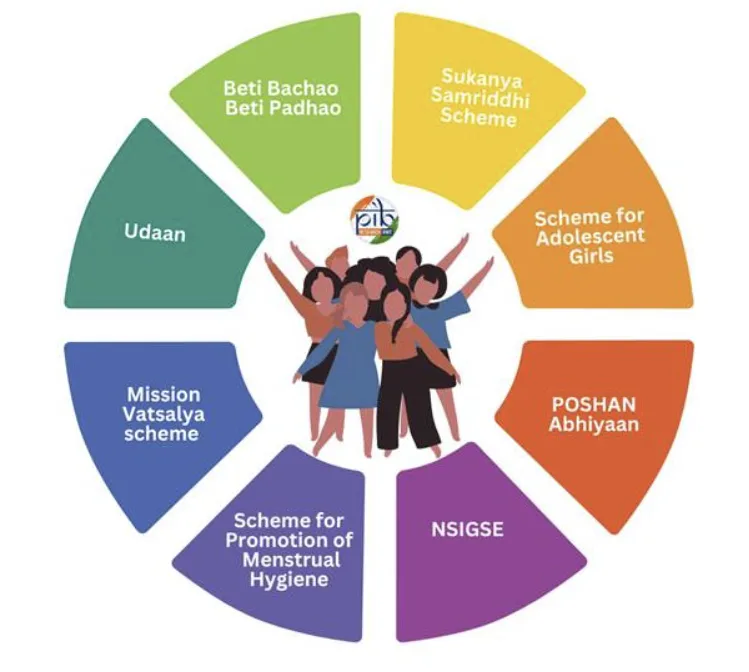
Beti Bachao Beti Padhao (BBBP)
The Beti Bachao Beti Padhao (BBBP) scheme was launched on January 22 2015 by the Government of India to address the alarming decline in the Child Sex Ratio (CSR) and promote the welfare of girls and women across their life cycles. The initiative aims to foster societal change by raising awareness about gender discrimination and ensuring the survival, protection, and education of the girl child. The scheme, implemented collaboratively by the Ministry of Women and Child Development, the Ministry of Health and Family Welfare, and the Ministry of Education, has focused on districts with the lowest CSR and emphasised the importance of girls’ education and equal opportunities. By integrating programs like Save the Girl Child and Sukanya Samriddhi Yojana, BBBP has contributed to reducing gender disparities. Between 2014 and 2022, some districts reported a CSR improvement of over 10 per cent, showcasing the impact of this initiative.
Udaan
Launched in 2014, Udaan is a visionary project by the Central Board of Secondary Education (CBSE) under the guidance of the Ministry of Human Resource Development (MHRD). The program is designed to address the gender gap in engineering education by encouraging more female students to enrol in premier engineering institutions. Udaan provides free online resources, virtual classes, study materials, and mentoring for girls in Classes XI and XII, preparing them for competitive entrance examinations like JEE Main. Special focus is given to girls from economically disadvantaged backgrounds to help them overcome financial and academic barriers. By 2022, the scheme had benefited over 10,000 students, equipping them with the confidence and knowledge to pursue careers in engineering and technology.
Scheme for Adolescent Girls (SAG)
The Scheme for Adolescent Girls (SAG), launched in 2010, aims to provide nutritional support and life skills training to out-of-school girls aged 11-14. Implemented under the Ministry of Women and Child Development, the scheme is part of the broader Integrated Child Development Services (ICDS) program. The nutrition component focuses on improving adolescent girls’ health and nutritional status, with beneficiaries receiving supplementary nutrition of 600 calories and 18-20 grams of protein daily. The non-nutrition component provides girls with life skills training, vocational guidance, and support to re-enter formal schooling. By addressing malnutrition and education gaps, SAG ensures these girls are shaped to lead healthier and more productive lives. Over the years, the scheme has positively impacted over 10 lakh adolescent girls nationwide, significantly improving their health indicators.
National Scheme of Incentives to Girls for Secondary Education
The National Scheme of Incentives to Girls for Secondary Education, launched in May 2008, seeks to promote the education of girls, particularly those belonging to Scheduled Caste (SC) and Scheduled Tribe (ST) communities. The scheme provides a one-time deposit of Rs 3,000, which the girl can access upon reaching 18 years of age and passing Class X. Integrated into the National Scholarship Portal (NSP), the scheme focuses on reducing dropout rates and enhancing enrollment in secondary schools. It has improved literacy rates among marginalised communities and shaping girls through education. By 2023, the scheme had supported over 35 lakh girl students, helping them stay in school and pursue their educational aspirations.
Scheme for Promotion of Menstrual Hygiene among Adolescent Girls in Rural India
Launched as part of the broader Adolescent Reproductive and Sexual Health (ARSH) initiative in 2011, this scheme focuses on improving menstrual hygiene among girls aged 10-19 in rural India. It aims to break the stigma and taboos surrounding menstruation by raising awareness and providing affordable, high-quality sanitary napkins. Awareness sessions are conducted to educate girls about menstrual health, proper disposal practices, and hygienic usage of products. The scheme also involves mothers and community leaders to foster supportive environments, ensuring a sustained behavioural shift towards better menstrual hygiene practices.
Sukanya Samriddhi Scheme
Introduced in January 2015 under the Beti Bachao, Beti Padhao campaign, this scheme encourages parents to save for their daughters’ future education and marriage expenses. The account can be opened in the name of a girl child below the age of 10, with a minimum deposit of 250 and a maximum of Rs 1.5 lakh per year. Offering an attractive interest rate (currently one of the highest for small savings schemes), it provides tax exemptions under Section 80C of the Income Tax Act. The scheme ensures financial security for the girl child and promotes gender equality by incentivising the education and welfare of daughters in India.
Child Protection Services Scheme
The Child Protection Services (CPS) scheme, previously known as the Integrated Child Protection Scheme (ICPS), focuses on caring for, protecting, and rehabilitating vulnerable children in India. Institutional care is provided through Child Care Institutes (CCIs), which cater to children in difficult circumstances, such as orphans, abandoned children, or victims of abuse. Non-institutional components include adoption, foster care, and sponsorship, ensuring children can grow up in a family-like environment. Additionally, the scheme offers aftercare services for children who turn 18, providing them with financial, emotional, and vocational support to transition into independent adulthood. The scheme aims to build a protective and inclusive environment for all children.
POSHAN Abhiyaan
Launched on International Women’s Day, March 8, 2018, the POSHAN Abhiyaan (National Nutrition Mission) seeks to address malnutrition in India by reducing stunting, undernutrition, anaemia, and low birth weight. The mission leverages Information and Communication Technology (ICT) to monitor real-time data, ensuring effective implementation. Key strategies include community mobilisation, behaviour change campaigns, and capacity building of Anganwadi workers and healthcare staff. The initiative encourages Jan Andolan (mass movement) to involve communities and local stakeholders in improving dietary practices, hygiene, and breastfeeding. Incentives and awards are given to states and districts that achieve nutrition targets, promoting innovation and accountability. By addressing the root causes of malnutrition, the program envisions a healthier, more productive population.
Legal measures to strengthen and protect the girl child in India encompass a range of significant initiatives aimed at ensuring their safety, rights, and overall well-being. The Prohibition of Child Marriage Act of 2006 seeks to eradicate child marriage by imposing strict penalties on those involved. Similarly, the Protection of Children from Sexual Offences (POCSO) Act, 2012, addresses various forms of child abuse, with updated rules introduced in 2020 to strengthen its enforcement and effectiveness. These measures aim to safeguard children from exploitation and ensure justice for victims.
The Juvenile Justice Act of 2015 further reinforces the care and protection of needy children by providing a comprehensive legal framework. Programs like Mission Vatsalya are dedicated to child development and welfare, offering services such as the Child Helpline and the Track Child Portal. Functional since 2012, this portal has played a critical role in reuniting missing children with their families by matching reports of missing children lodged at police stations with children found and residing in Child Care Institutions (CCIs).
Additionally, the PM CARES for Children Scheme provides essential support to children orphaned due to the COVID-19 pandemic, ensuring their financial, educational, and emotional well-being. Collaborative efforts with organisations like NIMHANS and initiatives like the E-SAMPARK program extend mental health and medical care to vulnerable children. Together, these legal and institutional measures create a safer and more supportive environment, promoting the rights, dignity, and enablement of the girl child in India.
National Girl Child Day is a powerful reminder of the importance of strengthening girls to build an equitable and prosperous society. Through impactful initiatives such as Beti Bachao, Beti Padhao, Udaan, and POSHAN Abhiyaan, India continues to address critical issues like gender inequality, education gaps, and health challenges girls face. Legal frameworks and supportive schemes ensure their protection and development, enabling them to realise their full potential. National Girl Child Day envisions a future where every girl can dream, aspire, and contribute meaningfully to the nation’s growth and well-being by fostering an environment that values, educates, and uplifts girls.