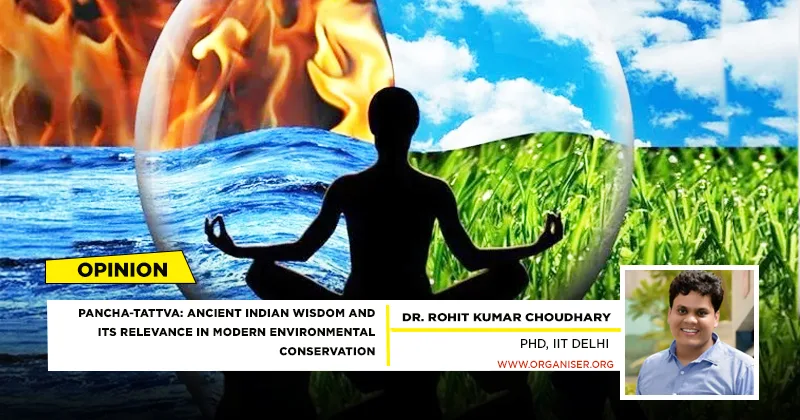
This mantra from the Yajur Veda is a prayer for universal peace, encompassing all realms of existence, from the vast cosmos (Dhyauh), The open sky (Antarikssam), Earth (Prithvi), to the smallest elements of life, such as water (Aapah), plants (Ossadhayah), and trees (Vanaspatayah). It even prays for peace itself (Shaantireva Shaantih) and within ourselves.
We often hear this Shanti Mantra recited during rituals:
Om Dhyauh Shaantir-Antarikssam Shaantih
Prthivii Shaantir-Aapah Shaantir-Ossadhayah Shaantih
Vanaspatayah Shaantir-Vishve-Devaah Shaantir-Brahma Shaantih
Sarvam Shaantih Shaantireva Shaantih Saa Maa Shaantir-Edhi
Om Shaantih Shaantih Shaantih
This holistic approach reflects the interconnectedness of all existence, aligning beautifully with modern ideas of environmental conservation. It reminds us to nurture and respect every aspect of nature—the skies, waters, forests, and earth—promoting harmony for humanity and all of existence. This philosophy, rooted in ancient Indian knowledge, provides a timeless perspective on sustainability.
The Concept of Pancha-Tattva
Pancha-tattva, or the “five elements,” forms the cornerstone of ancient Indian philosophy and is integral to Ayurveda, Vedic texts, and spiritual practices. These five elements—Prithvi (Earth), Aapah (Water), Tejas (Fire), Vayu (Air), and Akasha (Space)—are considered the building blocks of the universe. They symbolise the interdependence of all life forms and hold profound environmental and spiritual significance. Pancha-tattva, also considered as Pancha-maha-bhuta, the five great elements, play a vital role in life. Our practices and life rituals connect us directly or indirectly with each component.
Ancient Wisdom and Modern Environmental Practices
Indian scriptures emphasise harmony with nature. For example:
The Rigveda reveres rivers, forests, and mountains, reflecting a deep respect for natural resources. The Atharvaveda advocates harmonious coexistence with nature. Vastu Shastra incorporates Pancha-tattva principles into sustainable architecture.
In present-day environmental studies, these elements represent essential resources for life. As primary producers, plants directly use these components and turn them into life forms for other organisms by creating a base as producers to sustain ecosystems. Photosynthesis, for instance, requires:
- Vayu (Air): Carbon dioxide from the atmosphere.
- Prithvi (Earth): Minerals and nutrients from the soil.
- Aapah (Water): Essential for plant metabolism.
- Akasha (Space): Physical space for growth.
- Tejas (Fire): Solar energy to drive photosynthesis.
Humans and animals, directly or indirectly, depend on plants, highlighting the elements’ role in sustaining biodiversity. These interconnected components form the foundation of life, and any imbalance can disrupt ecosystems.
Ancient rituals like Agnihotra enriched soil and purified air. These practices inspire organic farming techniques, emphasising biodiversity and sustainability. Water bodies like rivers, ponds, and lakes were considered sacred and vital for life. Various festivals and rituals were designed to strengthen the sense of ownership toward environmental conservation and sustainability.
Traditional water management systems like stepwells and rainwater harvesting provide models for addressing water scarcity today. The wells and step wells in villages were not merely water sources but also fostered a sense of ownership in the village community. This sense of responsibility helped conserve, protect, and manage wells for year-long water availability, even during dry seasons. These water sources were kept open to the sky and sunlight to retain their Jeevan Tattva. At present, we interpret this as ensuring the availability of oxygen in the water to support aquatic life and maintain water circulation due to temperature variation. This practice ensured the water remained usable even for drinking.
Agni should not be understood solely as a flame. It symbolises energy in terms of heat transformation, essential for the sustenance of life forms. Every life form needs a desired range of temperature and heat energy for proper metabolism. The Sun is considered the source of the Agni component and hence holds great importance. Modern science also describes the Sun as the ultimate source of energy. Interestingly, daily rituals expose individuals to sunlight, offering numerous health benefits for the skin and nutrition. Activities like cooking or preserving food by drying it under sunlight highlight the ancient recognition of the importance of solar energy. In the present era, India’s solar power initiatives have positioned the country among the global leaders in solar energy production, with nearly 90 gigawatts of power generation capacity in 2024.
Sacred groves (Devrai) were community-maintained forests that ensured clean air and ecological balance. The concept of Panchavati emphasises the planting and conservation of five key trees: Vata (banyan), Ashvattha (peepal), Bilva (bel), Amalaki (amla), and Ashoka. Other significant trees like Nimba (neem) were also conserved. Besides these, Triveni, vata (banyan), ashvattha (peepal), and Nimba (neem) are being planted together to strengthen the conservation and importance.
These practices were often supported by associating plants with deities, making their preservation a religious and cultural duty. Worshipping these plants and offering their leaves and flowers to gods served both spiritual purposes and the practical goal of ensuring their availability and conservation for natural sustainability.
Even everyday Physical exercises and Yoga practices emphasise aligning the body and mind with these elements for holistic well-being and spiritual growth. Practices like yoga and meditation promote mindfulness, which leads us to life’s interconnectedness. and ecological balance, reducing overconsumption. Tadasana (Mountain Pose) and Vrksasana (Tree Pose) for connecting with the Earth element. Walking barefoot on grass reduces stress and promotes calmness. Surya Namaskar (Sun Salutation) to activate the Fire element and boost metabolism. Breathing techniques like Kapalbhati, Bhastrika, Anulom Vilom enhance the Air element, fostering mental clarity and vitality.
Significance in the Present Era
As the world grapples with climate change, pollution, and resource depletion, Panchatattva offers a holistic framework for sustainability. Key applications include:
- Integrating ecological balance into urban planning, as seen in Vastu Shastra.
- Reviving traditional water conservation techniques to address global water crises.
- Promoting renewable energy to reduce dependency on fossil fuels.
- Encouraging mindful consumption to reduce environmental impact.
Green buildings inspired by traditional architecture promote sustainability. Water management techniques like check dams alleviate water shortages. Additionally, Ayurveda and yoga offer solutions to modern health and environmental challenges, emphasising interconnectedness. Today, concepts like green and blue infrastructures have proven effective in reducing environmental degradation and enhancing quality of life
The Pancha-tattva philosophy serves as a timeless reminder of humanity’s responsibility toward nature. By respecting these five elements, we acknowledge our place within a vast, interconnected ecosystem. Ancient Indian wisdom provides a sustainable roadmap for addressing modern environmental challenges. As we strive for development, let us draw inspiration from this holistic approach, ensuring harmony between progress and environmental stewardship for future generations.