Karnataka: NIA court convicts three Indian Mujahideen operatives, including Dr Syed Ismail, in terror case
July 7, 2026
  • Read Ecopy
  • Circulation
  • Advertise
  • Careers
  • About Us
  • Contact Us
Android AppiPhone AppArattai
Organiser
  • ‌
  • Bharat
    • Assam
    • Bihar
    • Chhattisgarh
    • Jharkhand
    • Maharashtra
    • View All States
  • World
    • Asia
    • Europe
    • North America
    • South America
    • Africa
    • Australia
  • Editorial
  • International
  • Opinion
  • RSS @ 100
  • More
    • Op Sindoor
    • Analysis
    • Sports
    • Defence
    • Politics
    • Business
    • Economy
    • Culture
    • Special Report
    • Sci & Tech
    • Entertainment
    • G20
    • Azadi Ka Amrit Mahotsav
    • Vocal4Local
    • Web Stories
    • Education
    • Employment
    • Books
    • Interviews
    • Travel
    • Law
    • Health
    • Obituary
  • Subscribe
    • Subscribe Print Edition
    • Subscribe Ecopy
    • Read Ecopy
  • ‌
  • Bharat
    • Assam
    • Bihar
    • Chhattisgarh
    • Jharkhand
    • Maharashtra
    • View All States
  • World
    • Asia
    • Europe
    • North America
    • South America
    • Africa
    • Australia
  • Editorial
  • International
  • Opinion
  • RSS @ 100
  • More
    • Op Sindoor
    • Analysis
    • Sports
    • Defence
    • Politics
    • Business
    • Economy
    • Culture
    • Special Report
    • Sci & Tech
    • Entertainment
    • G20
    • Azadi Ka Amrit Mahotsav
    • Vocal4Local
    • Web Stories
    • Education
    • Employment
    • Books
    • Interviews
    • Travel
    • Law
    • Health
    • Obituary
  • Subscribe
    • Subscribe Print Edition
    • Subscribe Ecopy
    • Read Ecopy
Organiser
  • Home
  • Bharat
  • World
  • Operation Sindoor
  • Editorial
  • Analysis
  • Opinion
  • Culture
  • Defence
  • International Edition
  • RSS @ 100
  • Magazine
  • Read Ecopy
Home Bharat

Karnataka: NIA court convicts three Indian Mujahideen operatives, including Dr Syed Ismail, in terror case

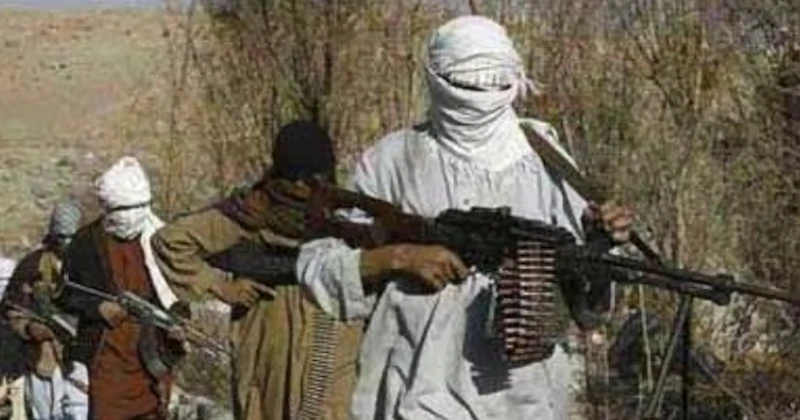
A Bengaluru court convicted three members of the Indian Mujahideen, including Dr Syed Ismail Afaq, for their involvement in a series of terrorist attacks across India. The case highlights the dangers of radicalisation and the potential for redemption, as these individuals' lives took a tragic turn from community service to violence.

IndreshIndresh
Dec 17, 2024, 02:30 pm IST
in Bharat, Karnataka
Follow on Google News
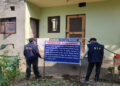
Representative Image

Representative Image

FacebookTwitterWhatsAppTelegramEmail

The city, known for its vibrancy and technological advancements, had become an unlikely backdrop for plots of terror that threatened to shatter its peace. On December 17, a city court delivered a verdict that would echo through its streets—the conviction of three suspected members of the Indian Mujahideen (IM), a terrorist organization known for its audacious attacks across India.

The men—Dr. Syed Ismail Afaq, Abdul Saboor, and Saddam Hussain—were linked to a web of intrigue and devastation that began years prior. The decades of their lives had been co-opted into a narrative of violence, indoctrination, and regret. Afaq, a homoeopathic doctor from Bhatkal in the Uttara Kannada district, stood out. By day, he was a healer, treating ailments with natural remedies, but by night, he was implicated in a conspiracy to destabilise the nation’s very foundations.

The seeds of the IM were sown in the early 2000s by the Bhatkal brothers—Riyaz and Yasin—who had harboured radical ideologies. They recruited disillusioned youth, weaving narratives of jihad that resonated within certain segments of the Muslim community. During these early years, Afaq became involved, seduced by the promise of a greater cause. He was not merely a follower; he became one of the architects of chaos, establishing connections that would span the globe.

In January 2015, the Central Crime Branch (CCB) of Bengaluru executed a series of operations leading to significant revelations about the IM’s activities. Following a devastating blast in Church Street on M.G. Road in Bengaluru on December 30, 2014, authorities began peeling back layers of secrecy and deceit. The CCB initiated simultaneous raids in Pulikeshi Nagar, an area known for its community of unsuspecting citizens and Bhatkal town, uncovering a disturbing cache of explosives and arresting several key figures.

Dr Afaq’s involvement became apparent when investigators discovered that he was not merely complicit; he had been integral to the supply chain of explosives used in various terrorist activities across the country. A diet of charm and charisma had concealed his deep-seated commitment to terror. From 2006 to 2014, Afaq’s team had allegedly manufactured bombs in Bhatkal, cleverly utilizing gelatin, a common construction material, to create devices that wreaked havoc in major Indian cities, including Hyderabad, Pune, and Delhi.

The investigation culminated in a staggering charge sheet, stretching over 2,000 pages, packed with incriminating evidence against the culprits. Afaq’s laptop, seized during the arrests, contained incriminating chats, including a dialogue with Yasin Bhatkal, who co-founded the IM. The laptop provided a digital window into a world of planned atrocities, where Afaq had not only trained in bomb-making techniques in Pakistan but had also been groomed for further assignments across the globe.

What makes this narrative compelling is the dichotomy of Afaq’s life—the leap from being a healer to a harbinger of destruction. It raises questions about identity, radicalization, and the paths individuals take when led by extremist ideologies. The call to jihad, however twisted, can sway even the most unassuming individuals.

Interestingly, the court’s ruling didn’t just focus on punishment. The acquisition of justice harked back to how a community faces the aftermath of such violence. Afaq and his cohorts did not operate in isolation; instead, they tapped into a network that spanned across borders, leveraging the raw enthusiasm of the youth disenchanted with societal norms. In this case, the state was not merely reacting to an offence but guarding against a deeper malaise that threatened to sap the essence of social harmony.

As the hearing unfolded in the NIA (National Investigation Agency) court, the psychological unravelling of the defendants took centre stage. The defence argued against the evidence presented, painting a picture of entrapment rather than outright guilt. Yet the prosecution stood firm, presenting evidence linking the convicted to a greater plot that transcended mere criminal intent—it represented an ideology deeply entwined with terror.

Despite the convictions handed down by the court, the true tragedy of Afaq and his fellow conspirators is rooted in what could have been. Each had the potential to contribute positively to their community, and yet, they veered drastically off course. Youth, especially in economically disadvantaged areas, is particularly vulnerable to radicalization, leading to a spree of misguided loyalty and actions.

The court reserved the quantum of punishment for the trio, which means that the extent of their sentences would be decided later, but the implications of this verdict are profound. It is a moment of reflection for Bengaluru, a city that has dealt with its share of terror and has shown resilience in the face of adversity. It warns of the responsibilities of community engagement and the importance of nurturing young minds toward constructive purposes.

But in the shadows of this disruption lies a broader narrative—one of redemption and possibility. There are numerous stories of former extremists who have stepped away from the brink and actively worked to rehabilitate their communities, sharing their narratives, and seeking to prevent others from making the same mistakes. The task is daunting, and yet optimism remains a powerful force.
Topics: NIAIndian MujahideenTerror caseDr Syed IsmailIM operatives
Share2TweetSendShareSend
✮ Subscribe Organiser YouTube Channel. ✮
✮ Join Organiser's WhatsApp channel for Nationalist views beyond the news. ✮
Previous News

Pakistani Minister Fawad Hussain praises Priyanka Gandhi’s Palestine gesture; BJP slams move

Next News

‘One Nation, One Election’ bill introduced in Lok Sabha, to be sent to JPC for discussion

Related News

PFI weapon trainer Ayoob - RSS leader Sreenivasan (Left to Right)

Keralam: PFI weapon trainer Ayoob surrenders before Kochi NIA Court in RSS leader Sreenivasan murder case

NIA has chargesheeted absconding paediatrician Dr. Muzaffar Ahmad as one of the alleged prime architects of the Red Fort car bomb blast

Who is Dr Muzaffar Ahmad? NIA chargesheets mastermind in Delhi Red Fort car bomb blast case

NIA Chargesheets 11 JMB Terror Operatives in Assam Terror Conspiracy Case

NIA files chargesheets against 11 Islamist terrorists of JMB offshoot terror plot in Assam, Tripura and Bengal

Andhra Explosives Case: NIA chargesheets Mohammed Ali; Bomb expert accused in LK Advani attack plot, hid for 20 years

(Left) Site of the protest (Right) NIA team in JNIMS hospital

Manipur: NIA starts forensic probe of abduction and killings of 6 Naga civilians by Kuki militants

NIA court issues proclamation against terrorist Syed Salahuddin, 3 others

1996 Terror Case: Srinagar NIA court orders Hizbul Chief Syed Salahuddin to appear by July 14

Load More

Latest News

Shri Ram Janmabhoomi Teerth Kshetra Trust accepts resignation on moral grounds; SIT submits interim report

Ayodhya Ram Mandir Donation Row: Trust accepts resignations, promises greater transparency; SIT submits interim report

Nida Khan one of the accused in Nashik TCS Corporate Jihad Case gets bail

Nashik TCS Corporate Jihad Case: Court grants bail to Nida Khan in conversion and sexual harassment case

Karnataka State BJP files complaint with Election Commission over irregularities in voter verification

Karnataka SIR Row: NDA submits documentary evidence to Election Commission, alleges irregularities in voter revision

Hindenburg report was a conspiracy to tarnish the image of India’s industrial sector using the Adani Group as a pretext

Battlefield to Top of the World: Indian Paralympian Hokato Hotozhe Sema becomes No.1 in shot put F57 category

Editor of Organiser Weekly Prafulla Ketkar and West Bengal Governor R N Ravi at the Narad Jayanti Udjapan & Narad Samman 2026

Whether my reporting is in the interest of nation or not is a litmus test for journalist: West Bengal Governor R N Ravi

POJK Protests: A reality check on atrocities committed by Pakistan

117 pseudo-intellectuals write to PM Modi to extend diplomacy with Pakistan at the cost of national security

80 years of Organiser: Enduring voice

PM Modi and Australian PM Anthony Albanese

Powering India’s Nuclear Future: PM Modi’s Australia visit brings the landmark Uranium deal into focus

Load More
  • Privacy
  • Terms
  • Cookie Policy
  • Refund and Cancellation
  • Delivery and Shipping

© Bharat Prakashan (Delhi) Limited.
Tech-enabled by Ananthapuri Technologies

  • Home
  • Search Organiser
  • Bharat
    • Assam
    • Bihar
    • Chhattisgarh
    • Jharkhand
    • Maharashtra
    • View All States
  • World
    • Asia
    • Africa
    • North America
    • South America
    • Europe
    • Australia
  • Editorial
  • Operation Sindoor
  • Opinion
  • Analysis
  • Defence
  • Culture
  • Sports
  • Business
  • RSS @ 100
  • Entertainment
  • More ..
    • Sci & Tech
    • Vocal4Local
    • Special Report
    • Education
    • Employment
    • Books
    • Interviews
    • Travel
    • Health
    • Politics
    • Law
    • Economy
    • Obituary
  • Subscribe Magazine
  • Read Ecopy
  • Advertise
  • Circulation
  • Careers
  • About Us
  • Contact Us
  • Policies & Terms
    • Privacy Policy
    • Cookie Policy
    • Refund and Cancellation
    • Terms of Use

© Bharat Prakashan (Delhi) Limited.
Tech-enabled by Ananthapuri Technologies