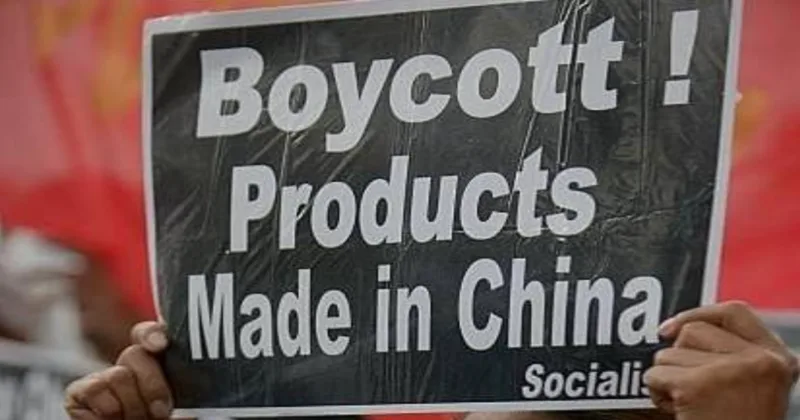
Indian Govt set to eliminate Chinese competition; Back locals under 'Made in India' scheme in surveillance market
June 10, 2026
  • Read Ecopy
  • Circulation
  • Advertise
  • Careers
  • About Us
  • Contact Us
Android AppiPhone AppArattai
Organiser
  • ‌
  • Bharat
    • Assam
    • Bihar
    • Chhattisgarh
    • Jharkhand
    • Maharashtra
    • View All States
  • World
    • Asia
    • Europe
    • North America
    • South America
    • Africa
    • Australia
  • Editorial
  • International
  • Opinion
  • RSS @ 100
  • More
    • Op Sindoor
    • Analysis
    • Sports
    • Defence
    • Politics
    • Business
    • Economy
    • Culture
    • Special Report
    • Sci & Tech
    • Entertainment
    • G20
    • Azadi Ka Amrit Mahotsav
    • Vocal4Local
    • Web Stories
    • Education
    • Employment
    • Books
    • Interviews
    • Travel
    • Law
    • Health
    • Obituary
  • Subscribe
    • Subscribe Print Edition
    • Subscribe Ecopy
    • Read Ecopy
  • ‌
  • Bharat
    • Assam
    • Bihar
    • Chhattisgarh
    • Jharkhand
    • Maharashtra
    • View All States
  • World
    • Asia
    • Europe
    • North America
    • South America
    • Africa
    • Australia
  • Editorial
  • International
  • Opinion
  • RSS @ 100
  • More
    • Op Sindoor
    • Analysis
    • Sports
    • Defence
    • Politics
    • Business
    • Economy
    • Culture
    • Special Report
    • Sci & Tech
    • Entertainment
    • G20
    • Azadi Ka Amrit Mahotsav
    • Vocal4Local
    • Web Stories
    • Education
    • Employment
    • Books
    • Interviews
    • Travel
    • Law
    • Health
    • Obituary
  • Subscribe
    • Subscribe Print Edition
    • Subscribe Ecopy
    • Read Ecopy
Organiser
  • Home
  • Bharat
  • World
  • Operation Sindoor
  • Editorial
  • Analysis
  • Opinion
  • Culture
  • Defence
  • International Edition
  • RSS @ 100
  • Magazine
  • Read Ecopy
Home Bharat

Indian Govt set to eliminate Chinese competition; Back locals under ‘Made in India’ scheme in surveillance market

The Indian government is set to restrict the use of Chinese-made surveillance equipment following recent security concerns, with new guidelines favouring local vendors coming into effect on October 8. This policy shift aims to enhance national security by ensuring that only products from "trusted locations" are utilised in sensitive surveillance systems

WEBDESKWEBDESK
Oct 4, 2024, 09:00 am IST
in Bharat, Sci & Tech
Follow on Google News
Representative Image

Representative Image

FacebookTwitterWhatsAppTelegramEmail

NEW DELHI: The Indian government is reportedly preparing to restrict the use of Chinese-made surveillance equipment in the country, particularly following the recent coordinated pager explosions in Lebanon. Sources indicate that the government intends to expedite guidelines that favour local vendors in the surveillance market, effectively sidelining Chinese manufacturers.

The Indian government is expected to change its policies to strengthen national security and safeguard sensitive information. By prioritising the purchase of local products, the government aims to support Indian companies and decrease dependence on foreign suppliers, especially those from China.

Following recent pager explosions, the Indian government is set to conduct a comprehensive evaluation of the critical sourcing of specific components and segments within the supply chain for surveillance equipment. An industry source revealed that this assessment is part of broader efforts to enhance national security.

The anticipated policy changes concerning surveillance cameras are expected to take effect on October 8, creating new opportunities for Indian companies to strengthen their position in the market. This move aligns with the government’s goal of prioritizing domestic vendors and ensuring that only products from “trusted locations” are utilized in sensitive surveillance systems.

As the government focuses on securing the supply chain, Indian firms stand to benefit from the shift away from foreign manufacturers, particularly those from China, amidst rising security concerns.

Although gazette notifications outlining these guidelines were issued earlier this year in March and April, the government’s response has intensified following the incidents in Lebanon, which have raised significant security concerns. The new regulations will permit only products from “trusted locations” to be sold in India, effectively eliminating many Chinese manufacturers from the market.

Market Dynamics and International Precedents

Companies such as CP Plus, Hikvision, and Dahua currently lead the Indian surveillance market, together controlling more than 60 per cent of the industry. According to Varun Gupta, a research analyst at Counterpoint Research, the Chinese companies Hikvision and Dahua will need to make substantial improvements in their localization strategies and increase their investments in research and development to comply with upcoming guidelines. This shift in policy could significantly impact their operations in India as the government prioritizes local vendors for surveillance equipment.

The Indian government’s policy shift to limit Chinese surveillance equipment mirrors recent actions by the United States, which banned products from Hikvision and Dahua in November 2022 due to “unacceptable risks to national security.” The U.S. Federal Communications Commission (FCC) identified these companies as potential threats, raising concerns that their technology could be used for espionage.

In response to these security concerns, India has shown a preference for European suppliers, particularly Bosch, over their Chinese counterparts. Industry insiders note that Bosch’s products are approximately 7 to 10 times more expensive than those of Chinese manufacturers. This trend indicates a growing emphasis on prioritizing security over cost in the procurement of surveillance systems, reflecting a significant shift in India’s approach to national security and technology sourcing.

A “trusted location” refers to a manufacturing site where the Indian government can monitor the entire production process and ensure there are no embedded vulnerabilities or data leak potential in the equipment. Although there is no current plan for a “rip and replace” policy, it remains a possibility for the future. The concept of a “rip and replace” policy, which would involve removing existing surveillance equipment from untrusted suppliers and replacing it with products from approved vendors, has been mentioned in discussions surrounding the Indian government’s new guidelines on surveillance systems. However, as of now, the Indian government has not officially announced any immediate plans to implement such a policy.

Earlier this year, the Indian government issued two gazette notifications that set the stage for major changes in the procurement of surveillance systems. These notifications emphasize the promotion of domestic products, marking a significant shift in India’s approach to security. This initiative is viewed as a vital move to strengthen national security while simultaneously supporting the local manufacturing industry under the “Make in India” campaign. By prioritising homegrown products, the government aims to reduce reliance on foreign suppliers and bolster the capabilities of Indian manufacturers in the surveillance sector.


Topics: Made in IndiaChinese competition
Share1TweetSendShareSend
✮ Subscribe Organiser YouTube Channel. ✮
✮ Join Organiser's WhatsApp channel for Nationalist views beyond the news. ✮
Previous News

Navratri 2024 Day 2: Embracing the divine essence of Ma Brahmacharini

Next News

“Utilise time on addressing human rights issues in US…”: MEA rubbishes USCIRF report on religious freedom in India

Related News

US lowers tariffs to 18 per cent

US lowers tariffs to 18 per cent on made in India products: PM Modi hails US–India trade breakthrough

Representative image

Driving the Globe: The historic rise of ‘Made-in-India’ automobile exports between 2023 and 2026

Representative Image

Why the crucial swadeshi movement in India needs inspiration from Australia

Made-in-India goods that are cherished across the globe are a symbol of India’s innovation, technological, manufacturing and self-reliance capabilities

From defence, dairy to digital products; Swadeshi prowess empowering the global economy

Energy Mission Goes Swadeshi: Energising made in Bharat for the world

Prime Minister Narendra Modi

GST 2.0 Rollout Today: Seven key highlights from PM Modi address to nation ahead of landmark tax overhaul

Load More

Latest News

Back-to-Back Love Jihad Cases in Lucknow: PGI Woman Goes Missing, Another Alleges Conversion Pressure After Marriage Promise

Back to back Love Jihad in Lucknow: PGI woman missing after meeting Irshad, Another alleges conversion by Zubair Ansari

New update in Nashik TCS Coporate Jihad Case as accused were asked to read a book titled The Life of Muhammad

Nashik TCS Corporate Jihad: Investigators probe claims victims were asked to read book ‘The Life of Muhammad’

MEA hails 12 years of Modi government

MEA celebrates PM Modi’s 12 years in office, says India “witnessed remarkable transformation” in foreign policy

Hawkers protest in West Bengal

The Left’s Selective Morality: From Sainbari to Hawker protests

Odisha CM Mohan Charan Majhi and Union Minister of Law and Justice Arjun Ram Meghwal along with other dignitaries on the stage on the occasion of completion of 12 years of the Central Government

PM Modi’s 12-years of governance marks era of transformation, growth & global recognition: Odisha CM Mohan Majhi

Modi govt clears Rs 13,000 Crore Great Nicobar Airport Project (This is an AI generated image)

India’s strategic move in Great Nicobar: Rs 13,000 crore airport to double strength in the Indian Ocean

Redistricting efforts across the United States continue to redefine electoral boundaries and congressional competition before the 2026 midterms.

America’s electoral map shifts ahead of 2026 Midterms; Courts back redistricting push

India Deploys 12 Nuclear Warheads: Heralds doctrinal shift to script strategic deterrence against multi-front threat

J&K: Zojila tunnel clears key hurdle; Signals new era of connectivity for Ladakh

How Cockroach politics is hollowing out Bharatiya democratic culture

Load More
  • Privacy
  • Terms
  • Cookie Policy
  • Refund and Cancellation
  • Delivery and Shipping

© Bharat Prakashan (Delhi) Limited.
Tech-enabled by Ananthapuri Technologies

  • Home
  • Search Organiser
  • Bharat
    • Assam
    • Bihar
    • Chhattisgarh
    • Jharkhand
    • Maharashtra
    • View All States
  • World
    • Asia
    • Africa
    • North America
    • South America
    • Europe
    • Australia
  • Editorial
  • Operation Sindoor
  • Opinion
  • Analysis
  • Defence
  • Culture
  • Sports
  • Business
  • RSS @ 100
  • Entertainment
  • More ..
    • Sci & Tech
    • Vocal4Local
    • Special Report
    • Education
    • Employment
    • Books
    • Interviews
    • Travel
    • Health
    • Politics
    • Law
    • Economy
    • Obituary
  • Subscribe Magazine
  • Read Ecopy
  • Advertise
  • Circulation
  • Careers
  • About Us
  • Contact Us
  • Policies & Terms
    • Privacy Policy
    • Cookie Policy
    • Refund and Cancellation
    • Terms of Use

© Bharat Prakashan (Delhi) Limited.
Tech-enabled by Ananthapuri Technologies