Study identifies thousands of high-risk cancer gene variants
December 10, 2025
  • Read Ecopy
  • Circulation
  • Advertise
  • Careers
  • About Us
  • Contact Us
Android AppiPhone AppArattai
Organiser
  • ‌
  • Bharat
    • Assam
    • Bihar
    • Chhattisgarh
    • Jharkhand
    • Maharashtra
    • View All States
  • World
    • Asia
    • Europe
    • North America
    • South America
    • Africa
    • Australia
  • Editorial
  • International
  • Opinion
  • RSS @ 100
  • More
    • Op Sindoor
    • Analysis
    • Sports
    • Defence
    • Politics
    • Business
    • Economy
    • Culture
    • Special Report
    • Sci & Tech
    • Entertainment
    • G20
    • Azadi Ka Amrit Mahotsav
    • Vocal4Local
    • Web Stories
    • Education
    • Employment
    • Books
    • Interviews
    • Travel
    • Law
    • Health
    • Obituary
  • Subscribe
    • Subscribe Print Edition
    • Subscribe Ecopy
    • Read Ecopy
  • ‌
  • Bharat
    • Assam
    • Bihar
    • Chhattisgarh
    • Jharkhand
    • Maharashtra
    • View All States
  • World
    • Asia
    • Europe
    • North America
    • South America
    • Africa
    • Australia
  • Editorial
  • International
  • Opinion
  • RSS @ 100
  • More
    • Op Sindoor
    • Analysis
    • Sports
    • Defence
    • Politics
    • Business
    • Economy
    • Culture
    • Special Report
    • Sci & Tech
    • Entertainment
    • G20
    • Azadi Ka Amrit Mahotsav
    • Vocal4Local
    • Web Stories
    • Education
    • Employment
    • Books
    • Interviews
    • Travel
    • Law
    • Health
    • Obituary
  • Subscribe
    • Subscribe Print Edition
    • Subscribe Ecopy
    • Read Ecopy
Organiser
  • Home
  • Bharat
  • World
  • Operation Sindoor
  • Editorial
  • Analysis
  • Opinion
  • Culture
  • Defence
  • International Edition
  • RSS @ 100
  • Magazine
  • Read Ecopy
Home World

Study identifies thousands of high-risk cancer gene variants

A recent study has identified thousands of genetic variants associated with high-risk cancer susceptibility, shedding new light on potential genetic factors contributing to cancer development

WEBDESKWEBDESK
Jul 15, 2024, 11:00 pm IST
in World, Health, International Edition
Follow on Google News
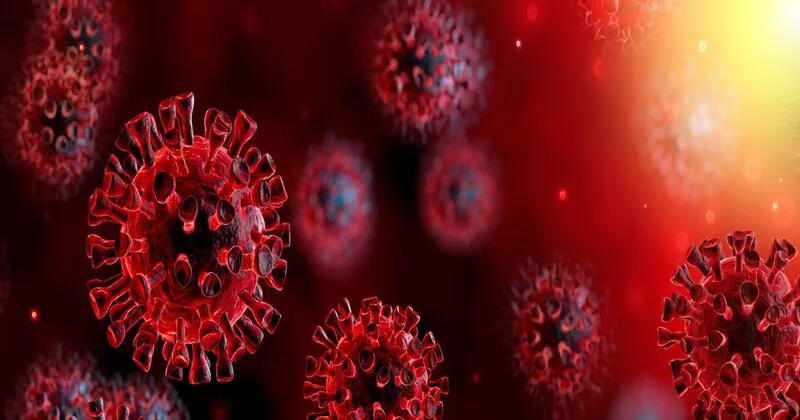
Representative image

Representative image

FacebookTwitterWhatsAppTelegramEmail

Scientists have uncovered over 5,000 genetic variations that allow some malignancies to grow, as well as a possible therapeutic target for treating or even preventing these cancers from arising.

Researchers from the Wellcome Sanger Institute, The Institute of Cancer Research, London, and the University of Cambridge evaluated the health effects of genetic alterations in BAP1, a ‘tumour defence’ gene. They discovered that almost one-fifth of these potential mutations were pathogenic, considerably raising the likelihood of developing malignancies of the eye, lung lining, brain, skin, and kidney.

The findings, published in Nature Genetics, are freely available so that they can be immediately used by doctors to help diagnose patients and choose the most effective therapies for them1. Importantly, as all possible variants were assessed, the findings benefit individuals from diverse ethnic backgrounds, who have historically been underrepresented in genetics research.

The team also uncovered a link between certain disruptive BAP1 variants and higher levels of IGF-1, a hormone and growth factor. This discovery opens the door to developing new drugs that could inhibit these harmful effects, potentially slowing down or preventing the progression of certain cancers.

The BAP1 protein acts as a powerful tumour suppressor in the body, protecting against cancers of the eye, lung lining, brain, skin, and kidney. Inherited variants that disrupt the protein can increase a person’s lifetime risk of developing these cancers by up to 50 per cent, typically occurring around middle age.

Detecting these variants early through genetic screening can guide preventative measures, greatly enhance treatment effectiveness and improve quality of life for individuals affected. However, until now, there has been limited understanding of which specific genetic changes in BAP1 to look out for, especially for rare variants that cause it to malfunction and fuel cancer growth.

Researchers from the Sanger Institute, and their collaborators at The Institute of Cancer Research and the University of Cambridge tested all 18,108 possible DNA changes in the BAP1 gene by artificially altering the genetic code of human cells grown in a dish, in a process known as ‘saturation genome editing’. They identified that 5,665 of these changes were harmful and disrupted the protein’s protective effects3. Analysis of UK Biobank data confirmed that individuals carrying these harmful BAP1 variants are over ten per cent more likely to be diagnosed with cancer than the general population.

The team also discovered that people with harmful BAP1 variants have elevated levels of IGF-1 in their blood, a hormone linked to both cancer growth and brain development. Even individuals without cancer showed these elevated levels, suggesting that IGF-1 could be a target for new treatments to slow down or prevent certain cancers. Further analysis revealed harmful BAP1 variants and higher IGF-1 levels were linked to worse outcomes in uveal melanoma patients, highlighting the potential for IGF-1 inhibitors in cancer therapy.

Notably, the technique profiles all possible BAP1 variants from diverse populations, not only those prevalent in European clinical records, helping to address the underrepresentation of non-European populations in genetic studies.

Dr Andrew Waters, first author of the study at the Wellcome Sanger Institute, said: “Previous approaches for studying how variants effect function in genes have been on a very small scale, or exclude important contexts that may contribute to how they behave. Our approach provides a true picture of gene behaviour, enabling larger and more complex studies of genetic variation4. This opens up new possibilities for understanding how these changes drive disease.”

Professor Clare Turnbull, clinical lead of the study, Professor of Translational Cancer Genetics at The Institute of Cancer Research, London, and Consultant in Clinical Cancer Genetics at The Royal Marsden NHS Foundation, said, “This research could mean more accurate interpretation of genetic tests, earlier diagnoses and improved outcomes for patients and their families.”

Also Read: Ayurveda remedies to combat cough and cold during the rainy season

Dr David Adams, senior author of the study at the Wellcome Sanger Institute, said, “We want to ensure that life-saving genetic insights are accessible and relevant to all people, regardless of their ancestry. Our aim is to apply this technique to a wider range of genes, potentially covering the entire human genome in the next decade with the Atlas of Variant Effects.”


(with inputs from ANI)

Topics: Cancerhigh-risk cancerGenetic variants
ShareTweetSendShareSend
✮ Subscribe Organiser YouTube Channel. ✮
✮ Join Organiser's WhatsApp channel for Nationalist views beyond the news. ✮
Previous News

Karnataka: Muslim cleric taught lesson by passengers of KSRTC bus as he molested minior Hindu girl  

Next News

Karnataka: SC dismisses Deputy CM DK Shivakumar’s petition to drop CBI probe in disproportionate assets case 

Related News

Representative image

Childhood exposure to bacterial toxin can trigger Colorectal cancer among the young: Study

Representative image

Study finds critical relationship between stem cells, mechanical signals

Breakthrough ‘3-in-1’ antibody offers promising new approach for targeted cancer treatment

Representative image

Study finds how antidepressants have potential for treating brain tumours

Representative image

Researchers discover how body’s natural killer cells protects from cancer

Representative image

Diet can be risk factor for colon cancer in younger adults, finds study

Load More

Comments

The comments posted here/below/in the given space are not on behalf of Organiser. The person posting the comment will be in sole ownership of its responsibility. According to the central government's IT rules, obscene or offensive statement made against a person, religion, community or nation is a punishable offense, and legal action would be taken against people who indulge in such activities.

Latest News

US President Donald Trump

Rice exporters brush off Trump tariff threat; POTUS eyes Rs 1 lakh crore India investment despite ‘dead economy’ remark

Representative Image

AI-based weather forecasting, Kisan e-Mitra & pest surveillance are strengthening Indian climate ready farming system

Odisha Chief Minister Mohan Majhi in the Assembly

Vande Mataram is not just a song; it is soul of Bharat: Odisha CM as state assembly passes special resolution

(Left) Microsoft Chairman and CEO Satya Nadella (Right) PM Narendra Modi

Microsoft announces $17.5 billion AI investment in India; Nadella meets PM Modi

Delhi Car Blast Case: NIA arrests Dr Bilal Naseer Malla

Delhi Car Blast Case: NIA arrests Dr Bilal Naseer Malla, 8th accused alleged for harbouring deceased bomber

Bihar Chief Minister Nitish Kumar with deputy CMs Samrat Choudhary and Vijay Kumar Sinha, Image courtesy- Prabhat Khabar

Bihar: Cabinet gives nod to creation of 3 additional departments to meet ‘1 crore jobs and employment’ target

Delhi court issues notice to Sonia Gandhi in alleged voter forgery case

Sonia Gandhi 1980 Electoral Roll Case: Delhi Court issues notice to Congress leader; Sabit Patra alleges forgery

International Human Right Day | Hindus missing in human rights discourse: Here are the 10 proofs

Representative Image

India advocates for the sovereignty & territorial integrity of Afghanistan amid border clash escalated by Pakistan

CM Himanta Biswa Sarma ceremonially distributed the sanction letters to 3,25,234 beneficiaries under the PMAY-G

Assam: Hassle-free transfer of government welfare schemes to beneficiaries; 3,25,234 families gets PMAY pucca house

Load More
  • Privacy
  • Terms
  • Cookie Policy
  • Refund and Cancellation
  • Delivery and Shipping

© Bharat Prakashan (Delhi) Limited.
Tech-enabled by Ananthapuri Technologies

  • Home
  • Search Organiser
  • Bharat
    • Assam
    • Bihar
    • Chhattisgarh
    • Jharkhand
    • Maharashtra
    • View All States
  • World
    • Asia
    • Africa
    • North America
    • South America
    • Europe
    • Australia
  • Editorial
  • Operation Sindoor
  • Opinion
  • Analysis
  • Defence
  • Culture
  • Sports
  • Business
  • RSS @ 100
  • Entertainment
  • More ..
    • Sci & Tech
    • Vocal4Local
    • Special Report
    • Education
    • Employment
    • Books
    • Interviews
    • Travel
    • Health
    • Politics
    • Law
    • Economy
    • Obituary
  • Subscribe Magazine
  • Read Ecopy
  • Advertise
  • Circulation
  • Careers
  • About Us
  • Contact Us
  • Policies & Terms
    • Privacy Policy
    • Cookie Policy
    • Refund and Cancellation
    • Terms of Use

© Bharat Prakashan (Delhi) Limited.
Tech-enabled by Ananthapuri Technologies