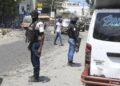
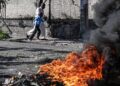
Haiti’s National Library in the capital of Port-au-Prince fell victim to armed gangs on April 3, 2024, exacerbating the turmoil gripping the Caribbean nation Dangelo Neard, the library director expressed grave concern over the loot highlighting the threat to Haiti’s rich history. Reports indicate that armed groups raided the institution, plundering furniture and vandalising important infrastructure such as generators.
Neard lamented the imminent danger faced by the library’s irreplaceable documentary collections, including rare documents dating back over two centuries crucial to Haiti’s heritage. The deteriorating security situation in Haiti, marked by the widespread violence and a lack of effective governance has emboldened armed groups to assert control over significant portions of Port-au-Prince and rural areas.
Despite pledges to establish transitional authorities, the country remains mired in political paralysis further fuelling the chaos. The assault on the National Library follows a similar attack on the National School of Arts underscoring the escalating lawlessness gripping Haiti, in response, the beleaguered national police have vowed to restore order and peace though challenges persist in quelling the violence.
Haiti’s descent into turmoil intensified in February 2023, as criminal gangs launched coordinated attacks on key infrastructure and security installations exacerbating the nations already precarious situation. Amid the ongoing crisis, Haiti braces for uncertain times ahead with hopes pinned on the establishment of a new transitional government to navigate the turbulent water.
They are seeking to oust Prime Minister Ariel Henry, who has been in power since the assassination of president Jovenel Moise in 2021. The country has no sitting parliament, with its last election in 2016. The country has also been wracked for decades by poverty, natural disasters, political instability and gang violence with Moise assassination setting off months of spiralling insecurity even before February clashes.
Unelected and highly unpopular, Henry announced on March 11, 2024, he would step down as part of the an internationally brokered plan to make way for the so-called transitional council. But weeks later, the council has to officially formed and installed amid disagreement among the political parties and other stakeholders due to name the next Prime Minister and because of doubts over the very legality of such a council.
“The Problem with time is that we spent two and half years with Ariel Henry, who did nothing and now in two weeks we want to do a lot of things, council member,” Leslie Voltaire told an international media agency. He also blamed regional body CARICOM for rushing the formation of the council, though he said it would be stood up by April 4, 2024 and elect PM within a week.