In Southern parts of Bharat, Pongal or harvesting festival of Maha Sankaranthi is being celebrated in the middle of January or beginning of Tamil month Thai. Pongal marks the initiation of the Sun’s movement towards the North for a six month period. Uttarayan Punyakalam bears special significance in Hindu mythology and is considered extremely auspicious. It signifies the event when the Sun enters the zodiac sign Capricorn (Makar) and thus the name Makar Sankranti.
It is religiously, traditionally and culturally celebrated by all Hindus. In the initial days before the Dravidian parties took root in this spiritual land, it was only called Maha Sankaranthi. It is celebrated during the solar equinox after harvesting crops like rice, sugarcane and turmeric.
It is one of the biggest festivals celebrated in India’s Southern part and primarily celebrated in Tamil Nadu, Andhra Pradesh, Karnataka and Puducherry. Pongal comes from Tamil literature, which means to boil or to overflow. It is a celebration to thank Bhagwan Surya, Mother Earth and various other farm animals or cattle that help farmers to contribute to a bountiful harvest.
The first day is called Bhogi Pongal. Earlier, people would clean their houses, white wash or do painting and collect unwanted things to be disposed of on the Bhogi Pongal Day. People happily burn their old useless household items marking their new beginnings. A special puja is also performed by cutting on the paddy. Now it is being banned in the name of environmental protection as it causes pollution.
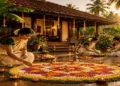
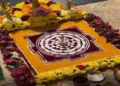
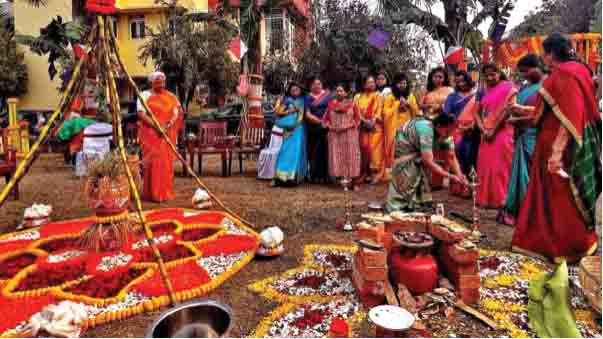
The next day is important and on that day people worship the Bhagwan Surya. Women draw decorative patterns called Kolam at their home entrance and prepare the pot of fresh rice with milk at auspicious timings. Milk rice is left in the clay pot to boil freely, and as it boils, the family members happily start shouting out “Pongalo Pongal”!. They tie the pot with a coir with banana, sugarcane pieces, fresh turmeric and ginger pieces. Normally in villages it will be done in the open courtyard or porch (Muttram).
They would use newly harvested paddy to get rice and it is cooked by boiling it with milk and jaggery. The sweet dish occasionally includes extra ingredients like cardamom, raisins, split green gram, and cashew nuts. Other components include ghee and coconut (clarified butter from cow milk). Some people prepare the Pongal dish in addition to the sweet version, such as the salty and savoury varieties (venpongal). In certain communities, women gather together to cook as a social activity by bringing their “cooking pots to the town centre, or the main square, or near a temple of their choice, or simply in front of their own home.
All members of the family would gather and jointly celebrate the Pongal. They offer Pongal to the Sun God and do poojas. Then they would feast on the special meal with Avial ( a dish with all vegetables using buttermilk and condiments like cashew, green peas, chickpeas and ground nuts. Or, they will cook a spicy sambar with multiple vegetables. It is the best combination to eat more sweets . Also Vada, Payasam and Papads are prepared. They share it with friends and relatives. After relishing the sweet pongal, they would retire for the day. People would wear new clothes on that day.
The third day of Pongal is devoted to worshipping the cattle (Mattu Pongal) Cows, bulls, are washed and adorned with colourful beads, flowers, and bells during this day. The bulls or cows are taken around the temple or the streets with children following joyfully or sitting on the bulls drawn carts. In parts of southern districts, Jallikattu, a famous traditional bull-taming sport of people in Tamil Nadu, especially in the village, is also part of Mattu Pongal. It is to showcase the valor of the youth. In olden days, bull owners or girls to be married would rear bulls for the purpose. On Jallikattu day, the youth who tame the bull will marry the girl offered prior to the event.
Politics Behind Banning Jallikattu
Jallikattu is an ancient valour sport. It was written in the Tamil classical age (400-100 BC). Also, a cave painting which is said to be 2500 years old depicts a man controlling a bull. During the UPA II regime, accepting the demand of animal lovers, the Congress-led DMK partnered Government banned the Jallikattu event. The Supreme Court of India banned Jallikattu in 2014 following the petitions of Animal Welfare Organisations including Federation of India Animal Protection Agencies and PETA.
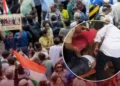
The Tamil Nadu Government has passed an amendment to the Act, Prevention of Cruelty to Animals Act 1960 which was approved by the President. The amendment allowed Jallikattu as it is held as a cultural pride of the State. In 2016 , there was a massive protest of youth (allegedly instigated by extraneous divisive forces) that saw a huge turnout of youths. They made anti-BJP, anti-Modi and India slogans. The PM Modi-led Government advised the then CM O Panneerselvam to pass an amendment. The Modi Government facilitated early concurrence from the President to end the protest. The protest was well planned like the farmers’ strike in Delhi. Food supplies, water packets, biscuits, tea and coffee were in constant supply. No one went hungry at the beach during the protest. For the protesters, who decided to camp overnight on the sands, tents and blankets were made available. Many activists and members of the film fraternity pitched in with supplies and anti-social elements took control of the protest. The ordinance was drafted and approved by the Centre as well as by the President of India. On the evening of January 23, the ordinance was introduced as a bill in the Tamil Nadu Assembly and was unanimously passed. But the protest took an ugly turn with violence.
On the fourth day, all the women in the house make different kinds of colourful rice. After preparation, they would leave it in separate pots on their terrace to feed crows as a symbol of worshiping their ancestors. Post that event, families celebrate and participate in traditional Indian folk dances such as Mayilattam and Kolattam. They would go to the beach, recreation places, parks, zoo, children’s park or go on picnics of their choice with family and friends.
Divisive Politics of DMK
In 2008, then Chief Minister M Karunanidhi kicked up a controversy when he declared that April 14 will not be celebrated as the Tamil New Year, instead, the beginning of the month of Thai, which coincides with the harvest festival of Pongal. It would be hard to miss the Brahmin-Dravidian fault lines here. People did not attach importance and the successive AIADMK Government led by Jayalalithaa recalled the order.
Then in January 2021, DMK and its assorted organisations tried hard to establish Pongal/Makar Sankranti as a ‘secular festival’ exclusive to Tamils. They celebrate ‘Equality Pongal’ with Church Fathers and sometimes Imams. On the other hand DMK’s ally Viduthalai Chiruthaigal Katchi (VCK) party leader Shah Nawas has expressed displeasure about the Hindu aspects of Pongal celebration and asked for them to be dropped. In a video going viral on social media, he can be seen saying that Hindu customs and practices being followed during Pongal celebration ‘hurt the religious feelings of Christians and Muslims’.
DMK is slowly trying to change the significance and celebration of Hindu festivals by doing various tricks in its bag. Through HR and CE, it has been doing things that are against agama, rituals, (like opening temples during English New Year day), charging and raising fees out of reach of common people and demolishing Hindu temples. These are allegedly to satisfy the minorities for their votes. This agenda of playing with temple worship began during British Raj and the Dravidian Governments followed it more vigorously. TN Chief Minister MK Stalin in his life never wished people on their festival but would criticise and found fault with them. But he never misses to extend greetings to Muslims, Christians and Keralites (on Onam). Every religion has superstitious belief as per their legend, singling out Hindus for such things will no longer be acceptable and Hindus are starting to realise how they have been fooled by the Dravidian parties.