Children who live in cities are more likely to have respiratory infections
June 4, 2026
  • Read Ecopy
  • Circulation
  • Advertise
  • Careers
  • About Us
  • Contact Us
Android AppiPhone AppArattai
Organiser
  • ‌
  • Bharat
    • Assam
    • Bihar
    • Chhattisgarh
    • Jharkhand
    • Maharashtra
    • View All States
  • World
    • Asia
    • Europe
    • North America
    • South America
    • Africa
    • Australia
  • Editorial
  • International
  • Opinion
  • RSS @ 100
  • More
    • Op Sindoor
    • Analysis
    • Sports
    • Defence
    • Politics
    • Business
    • Economy
    • Culture
    • Special Report
    • Sci & Tech
    • Entertainment
    • G20
    • Azadi Ka Amrit Mahotsav
    • Vocal4Local
    • Web Stories
    • Education
    • Employment
    • Books
    • Interviews
    • Travel
    • Law
    • Health
    • Obituary
  • Subscribe
    • Subscribe Print Edition
    • Subscribe Ecopy
    • Read Ecopy
  • ‌
  • Bharat
    • Assam
    • Bihar
    • Chhattisgarh
    • Jharkhand
    • Maharashtra
    • View All States
  • World
    • Asia
    • Europe
    • North America
    • South America
    • Africa
    • Australia
  • Editorial
  • International
  • Opinion
  • RSS @ 100
  • More
    • Op Sindoor
    • Analysis
    • Sports
    • Defence
    • Politics
    • Business
    • Economy
    • Culture
    • Special Report
    • Sci & Tech
    • Entertainment
    • G20
    • Azadi Ka Amrit Mahotsav
    • Vocal4Local
    • Web Stories
    • Education
    • Employment
    • Books
    • Interviews
    • Travel
    • Law
    • Health
    • Obituary
  • Subscribe
    • Subscribe Print Edition
    • Subscribe Ecopy
    • Read Ecopy
Organiser
  • Home
  • Bharat
  • World
  • Operation Sindoor
  • Editorial
  • Analysis
  • Opinion
  • Culture
  • Defence
  • International Edition
  • RSS @ 100
  • Magazine
  • Read Ecopy
Home World

Children who live in cities are more likely to have respiratory infections

WEBDESKWEBDESK
Sep 12, 2023, 11:00 pm IST
in World, Health
Follow on Google News
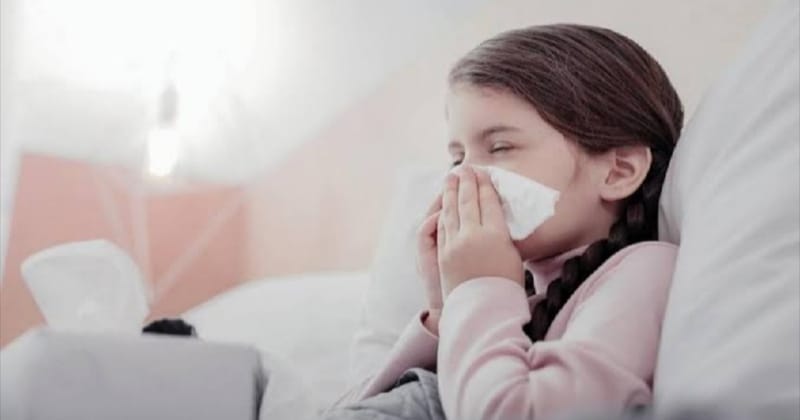
Representative image

Representative image

FacebookTwitterWhatsAppTelegramEmail

Young children who grow up in towns and cities experience higher respiratory illnesses than those who grow up in the country.

According to a study presented at the European Respiratory Society International Congress in Milan, Italy.

A second study, presented at the Congress and published in Pediatric Pulmonology, shows that factors such as attending daycare, living in a damp home or near dense traffic increase the risk of chest infections in young children, while breastfeeding reduces the risk.

It’s critical to comprehend why some otherwise healthy youngsters experience repeated illnesses and explore solutions, according to researchers.

The first study was presented by Dr Nicklas Brustad, a researcher and physician on the Copenhagen Prospective Studies on Asthma in Childhood (COPSAC) based at Gentofte Hospital and the University of Copenhagen, Denmark. It included 663 children and their mothers who took part in the research from pregnancy until the children were three years old.

Researchers found that before the age of three, children who lived in urban regions had an average of 17 respiratory illnesses, such as coughs and colds, as opposed to an average of 15 infections in children who lived in rural areas.

In-depth blood tests were also performed on pregnant women and their newborn babies by the researchers, who also examined the immune systems of the kids four weeks after birth. Children in urban settings had immune systems that were different from those in rural areas, they discovered. Along with the disparities in living conditions and the frequency of respiratory illnesses, blood samples from mothers and neonates also differed.

Dr Brustad said, “Our findings suggest that urban living is an independent risk factor for developing infections in early life when taking account of several related factors such as exposure to air pollution and starting daycare. Interestingly, changes in the blood of pregnant mothers and newborn babies, as well as changes in the newborn immune system, seem to partly explain this relationship.

“Our results suggest that the environment children live in can have an effect on their developing immune system before they are exposed to coughs and colds. We continue to investigate why some otherwise healthy children are more prone to infections than others and what the implications are for later health. We have several other studies planned that will look for risk factors and try to explain the underlying mechanisms using our large amount of data.”

The second study was presented by Dr Tom Ruffles from Brighton and Sussex Medical School and University Hospitals Sussex NHS Foundation Trust, Brighton, UK. It included data on 1344 mothers and their children living in Scotland and England. The mothers completed detailed questionnaires when their children were a year old and again when their children were two years old. These included questions on chest infections, symptoms such as coughing and wheezing, respiratory medication, and exposure to potential environmental risk factors.

Analysis of the questionnaires revealed that breastfeeding for longer than six months helped protect babies and children from infections, while attending daycare increased the risk. Young children living in homes with visible dampness were twice as likely to need treatment with an inhaler to relieve respiratory symptoms and twice as likely to need treatment with a steroid inhaler. Living in an area with dense traffic increased the risk of chest infections, and exposure to tobacco smoke increased the risk of coughing and wheezing.

Dr Ruffles said, “This research provides some important evidence about how we can help reduce chest infections in babies and toddlers. The benefits of breastfeeding are well-established, and we should continue to support mothers who want to breastfeed their babies. We should also be making every effort to reduce exposure to infections in daycare, keep homes free of dampness and mould, reduce tobacco smoking and cut air pollution.”

Co-researcher Professor Somnath Mukhopadhyay, also from Brighton and Sussex Medical School and University Hospitals Sussex NHS Foundation Trust, added, “The link between damp mouldy housing and the need for these very young children to take asthma treatments emphasises how urgently we need legislation to tackle mould and damp in social housing. For example, here in the UK, we want to see rapid implementation of Awaab’s Law, which will force social landlords to fix damp and mould within strict time limits.” Awaab’s Law was proposed following the death of two-year-old Awaab Ishak, caused by the dampness and mould in his local authority home.

Professor Myrofora Goutaki, who is chair of the European Respiratory Society’s group on Paediatric respiratory epidemiology and was not involved in the research, said, “We know that some young children suffer with recurrent coughs and colds, and this can lead on to conditions such as asthma as they grow older. It’s important that we understand any factors that might be contributing to this, such as the conditions where children live and where they are cared for. The more we understand about these factors, the more we can do to protect the developing lungs of these young children.”

(with inputs from ANI)



Topics: Asthmaimmune systemChildrenRespiratory infection
ShareTweetSendShareSend
✮ Subscribe Organiser YouTube Channel. ✮
✮ Join Organiser's WhatsApp channel for Nationalist views beyond the news. ✮
Previous News

Jammu & Kashmir: Work underway in Srinagar under Smart City Project

Next News

UP Cabinet gives its nod to establish new industrial city in Bundelkhand

Related News

Exposure to digital world corrupting the young minds

Sexualized entertainment is corrupting young minds

21st century is an age of dreams and dilemmas. Teaching children to think intelligently and feel deeply will transform into genuine humanity

The 21st century child: Between dreams and dilemmas

Representative Image

Health Ministry issues advisory on rational use of cough syrups for children, government issues strict guidelines

Representative image

Aspirin may prevent some cancers from spreading: Study

Breakthrough ‘3-in-1’ antibody offers promising new approach for targeted cancer treatment

Representative image

Boosting Immunity Naturally: The power of Ayurvedic herbs

Load More

Latest News

House worth Rs 2 crore of drug peddler bulldozed in J&K

Anti-narcotics campaign in J&K: Police demolish Rs 2 crore residential property linked to drug peddler Sheikh Tasaduq

As fuel shortages rippled across Asia, New Delhi expanded supplies to its neighbours while Beijing sought to turn energy security into strategic influence.

The Hormuz Test: How India’s energy assistance outshines China’s conditional approach

Demographic changes in Bharat’s border districts have raised concerns about migration, security, and social cohesion

Demographic Shift in Border Areas of Bharat: The dangerous design

FIR filed against the Islamists in the Love Jihad case in Bhopal

Love Jihad again in Bhopal: Minor Hindu girl forced to drink beer, trapped and pressured to convert by Islamists

The ₹100 Crore Dhaba: How Amrik Sukhdev Revolutionised Highway Dining in India

The Dhaba Story: The family that changed highway dining

After TCS Controversy, Wipro Faces Fresh 'Corporate Jihad' Allegations as Former Employee Details Harassment, Religious Pressure and Forced Resignation

Exclusive | Corporate Jihad at Wipro? Hindu employee says Shahina told her, ‘Accept Islam, I’ll marry you to a Sheikh’

Mizoram CM Lalduhoma says Myanmar refugee influx has become a burden

Myanmar refugee influx has become a burden on Mizoram: CM Lalduhoma

Prime Minister Narendra Modi

PM Modi to launch Rs 21,770 cr mega projects in Surat & Daman; Infrastructure, healthcare among key projects

Ebola medical countermeasures that were sent by Bharat arrived at Africa’s Ebola Continental Supply Chain mechanism in Entebbe, Uganda bringing the total to just under 50MT

Ebola Crisis in Uganda: India delivers life-saving medical supplies to African nation

Cabinet approves Rs 9,585 crore scheme to replace old trucks and buses in Delhi-NCR

Delhi-NCR gets major pollution relief push as centre clears Rs 9,585 cr vehicle replacement scheme for trucks and buses

Load More
  • Privacy
  • Terms
  • Cookie Policy
  • Refund and Cancellation
  • Delivery and Shipping

© Bharat Prakashan (Delhi) Limited.
Tech-enabled by Ananthapuri Technologies

  • Home
  • Search Organiser
  • Bharat
    • Assam
    • Bihar
    • Chhattisgarh
    • Jharkhand
    • Maharashtra
    • View All States
  • World
    • Asia
    • Africa
    • North America
    • South America
    • Europe
    • Australia
  • Editorial
  • Operation Sindoor
  • Opinion
  • Analysis
  • Defence
  • Culture
  • Sports
  • Business
  • RSS @ 100
  • Entertainment
  • More ..
    • Sci & Tech
    • Vocal4Local
    • Special Report
    • Education
    • Employment
    • Books
    • Interviews
    • Travel
    • Health
    • Politics
    • Law
    • Economy
    • Obituary
  • Subscribe Magazine
  • Read Ecopy
  • Advertise
  • Circulation
  • Careers
  • About Us
  • Contact Us
  • Policies & Terms
    • Privacy Policy
    • Cookie Policy
    • Refund and Cancellation
    • Terms of Use

© Bharat Prakashan (Delhi) Limited.
Tech-enabled by Ananthapuri Technologies