The Union Health Ministry has issued a strict advisory to all states and Union Territories, warning against the casual use of cough syrups for children. The government’s message is clear that most of coughs get better on their own and do not need syrup bottles from the chemist’s shelf.
In Madhya Pradesh’s Chhindwara, nine children have died within two weeks from kidney failure, with a similar case reported in Rajasthan’s Sikar. Health officials suspect contaminated cough syrups may be the cause behind these alarming organ failure cases.
Drug control authorities reported that tests on cough syrup samples collected after the deaths of at least nine children in Madhya Pradesh’s Chhindwara showed no contamination, including absence of Diethylene Glycol (DEG) or Ethylene Glycol (EG) both linked to kidney damage.
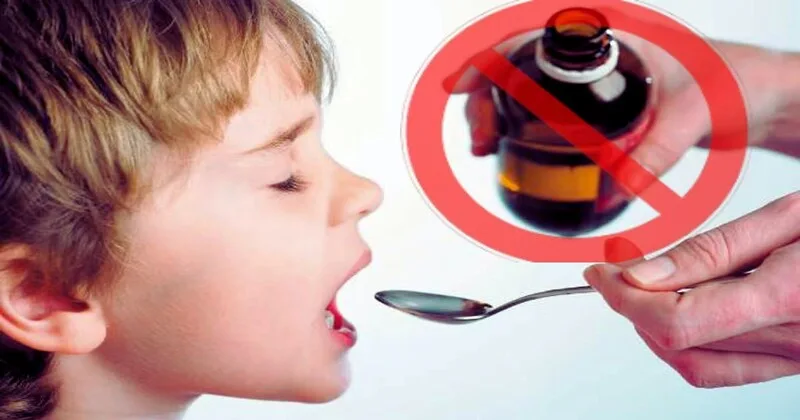
In order to maintain safety first, the Directorate General of Health Services (DGHS) in a circular sent to state health directors, underlined that unnecessary cough medicines can put children at serious risk instead of curing them. Parents are being cautioned not to treat these illnesses with over-the-counter or chemist syrups.
No Cough Syrups for Children Under 2 and First-line Approach Must be Followed
The advisory strictly bans prescribing or dispensing cough syrups for children below the age of two. For children under five, the ministry says such medicines should be given only after a doctor’s thorough examination under strict supervision and in the lowest possible dose for the shortest duration. Mixing different cough medicines has been strongly discouraged. Doctors have also been told to make parents aware of these risks.
Instead of reaching for medicines, the ministry suggests simple remedies such as keeping children well hydrated, giving them enough rest and providing supportive care. These measures should always be the first response for routine cough and cold.
“Parents should not panic when their child has a cough. Most cases improve naturally,” a senior health official explained. “Using syrups unnecessarily exposes children to chemicals their bodies don’t need.”
Only Quality Medicines to Be Procured
The advisory also directs all hospitals and clinics both government and private to strictly procure only those medicines manufactured under Good Manufacturing Practices (GMP) and prepared with pharmaceutical grade ingredients. Health authorities have been told to closely monitor suppliers to prevent substandard products from reaching the market.
Nationwide Dissemination Ordered
All state health departments, district health authorities and medical institutions have been instructed to spread the advisory widely right from government dispensaries and primary health centres (PHCs) to big hospitals. The ministry has made it clear that both doctors and pharmacists must be sensitized to follow these rules.
The advisory, by Director General of Health Services Dr. Sunita Sharma, leaves little room for doubt that irrational and careless use of cough syrups in children will not be tolerated.
This move is being seen as a decisive step to protect child health and to ensure India does not repeat the mistakes of the past where misuse of medicines led to avoidable tragedies.
Dos and Don’ts for Parents
DOs
Give your child plenty of fluids and rest when they have cough or cold.
Visit a qualified doctor if the cough persists or worsens.
Follow prescribed doses carefully when medicines are absolutely necessary.
DON’Ts
Never give cough syrups to children below 2 years.
Avoid routine use even in children under 5 years unless a doctor insists.
Don’t self-medicate or combine multiple cough syrups.
Don’t buy cough medicines from unreliable or unverified sources.