Fish farms can generate Biogas: Study
July 14, 2026
  • Read Ecopy
  • Circulation
  • Advertise
  • Careers
  • About Us
  • Contact Us
Android AppiPhone AppArattai
Organiser
  • ‌
  • Bharat
    • Assam
    • Bihar
    • Chhattisgarh
    • Jharkhand
    • Maharashtra
    • View All States
  • World
    • Asia
    • Europe
    • North America
    • South America
    • Africa
    • Australia
  • Editorial
  • International
  • Opinion
  • RSS @ 100
  • More
    • Op Sindoor
    • Analysis
    • Sports
    • Defence
    • Politics
    • Business
    • Economy
    • Culture
    • Special Report
    • Sci & Tech
    • Entertainment
    • G20
    • Azadi Ka Amrit Mahotsav
    • Vocal4Local
    • Web Stories
    • Education
    • Employment
    • Books
    • Interviews
    • Travel
    • Law
    • Health
    • Obituary
  • Subscribe
    • Subscribe Print Edition
    • Subscribe Ecopy
    • Read Ecopy
  • ‌
  • Bharat
    • Assam
    • Bihar
    • Chhattisgarh
    • Jharkhand
    • Maharashtra
    • View All States
  • World
    • Asia
    • Europe
    • North America
    • South America
    • Africa
    • Australia
  • Editorial
  • International
  • Opinion
  • RSS @ 100
  • More
    • Op Sindoor
    • Analysis
    • Sports
    • Defence
    • Politics
    • Business
    • Economy
    • Culture
    • Special Report
    • Sci & Tech
    • Entertainment
    • G20
    • Azadi Ka Amrit Mahotsav
    • Vocal4Local
    • Web Stories
    • Education
    • Employment
    • Books
    • Interviews
    • Travel
    • Law
    • Health
    • Obituary
  • Subscribe
    • Subscribe Print Edition
    • Subscribe Ecopy
    • Read Ecopy
Organiser
  • Home
  • Bharat
  • World
  • Operation Sindoor
  • Editorial
  • Analysis
  • Opinion
  • Culture
  • Defence
  • International Edition
  • RSS @ 100
  • Magazine
  • Read Ecopy
Home World

Fish farms can generate Biogas: Study

Digesting fish waste can allow circular fish and vegetable farms (aquaponics) to produce Biogas that can be fed back into the energy system of these farms. This also generates excellent nutrition for plants, according to new research from the University of Gothenburg

WEBDESKWEBDESK
Jun 25, 2023, 10:00 pm IST
in World
Follow on Google News
FacebookTwitterWhatsAppTelegramEmail

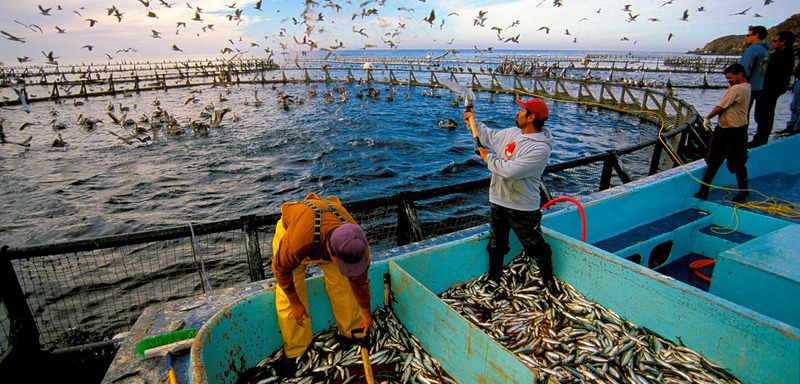
Washington: Researchers discovered that digesting fish waste allows circular fish and vegetable farms (aquaponics) to produce Biogas, which can then be fed back into the energy systems of the farms. This also provides the plants with excellent nutrition.

The findings were published in the journal ‘Aquacultural Engineering ‘Aquaponics, or circular, land-based, combined fish and vegetable farms, is growing in popularity. Aquaponics uses nutrient-rich water produced by fish (aquaculture) to fertilise plants (hydroponics) in a closed, soil-less system with the help of bacteria that naturally grow within the systems. These food production models mimic fertilisation in river and lake ecosystems. Until now, solid fish waste was a byproduct with no particular value.

However, a research project at the University of Gothenburg has used waste to create Biogas, which can help meet the energy needs of aquaponic farms. Victor Lobanov’s dissertation describes this. Waste is broken down in an anaerobic environment.

“By breaking down fish faecal matter in an anaerobic environment – known as digestion – we can obtain a concentrated gas mixture of 70 per cent methane that can be used as fuel. This can make aquaponics a source of energy,” said Victor Lobanov, doctoral student of marine biology at the University of Gothenburg.

The study also shows that the nutrients released in the digestion of waste are more easily available for plants compared to synthetic nutrition solutions. “Fish waste contains a lot of nutrients. These should also be usable in aquaponics to enable even more sustainable food production than today,” said Victor Lobanov.

Another benefit is that carbon dioxide is produced when the Biogas is used as fuel, which is a necessary supplement when plants are grown in an enclosed space, like a greenhouse.

The digestion process has only been tested in a lab environment, but a pilot in a commercial aquaponics facility is starting this summer. It will give researchers insights into how well the method can handle perturbations to the system and what needs to be done to create a more robust digestion pipeline. Victor Lobanov’s goal is to create modular digestion systems that can be integrated into existing aquaculture and aquaponic facilities.

The industry has a significant interest, and the technology could also be used in other animal husbandry applications such as piggeries. The sludge left over after digestion is still extremely nutritious and can be used for traditional fertilisation of fields. In this new process, the residual sludge leftover and, crucially, its eutrophication potential, is reduced.

“In many countries, the quantity of fertiliser produced in livestock farming is a problem. It can only be spread on fields during certain times of the year and removing wastes from the farm is associated with extra costs during pumping and transportation. Digestion of the fish solids reduces the quantity of waste produced by farms while additionally producing energy and a great fertiliser for hydroponics,” said Victor Lobanov. (With Inputs ANI)


Topics: University of GothenburgFish farms can generate BiogasAquacultural Engineeringfertiliser for hydroponicsanaerobic environmentBiogasDigesting fish waste
Share10TweetSendShareSend
✮ Subscribe Organiser YouTube Channel. ✮
✮ Join Organiser's WhatsApp channel for Nationalist views beyond the news. ✮
Previous News

US-India statement calls on FATF to tighten terror financing standards

Next News

Growing attack on Sikh community in Pakistan: Sikh trader killed in Peshawar; second targeted attack on Sikhs in 2 days

Related News

Uttar Pradesh Chief Minister Yogi Adityanath

From Waste to Wealth: Uttar Pradesh to turn cow dung into biogas and compost under Yogi’s new plan

Women mukhiya in Bihar

From Biogas to Sanitary Pads: How 6,000+ women mukhiyas in Panchayats are redefining grassroot governance in Bihar

GOBARdhan turning India’s waste into wealth and rewriting the rural economy of Swachh Bharat

GOBARdhan: Turning waste into wealth and transforming the rural economy of Swachh Bharat

A representation image of Cerebral Hemorrhage, Image: Weill Cornell Medicine Newsroom

Study reveals exercise helps to protect against major brain haemorrhage

Study emphasises on role of physical activity during post-stroke recovery

Overweight in youth could be a risk factor for blood clot in adult life

Load More

Latest News

“Reuters-You can do better”: US Envoy Sergio Gor slams British news agency over fake narrative on India-US trade deal

Tamil Nadu: Karur stampede appointments by CM Joseph open Pandora’s box as other victims’ kin seek similar benefits

A Protest Held by Hindu Munnani a protest held at Thiruvattar in Kanyakumari district

Tamil Nadu: Hindu Munnani protests in Kanyakumari, seeks removal of illegal Christian prayer hall despite court orders

The Rajasthan Legislative Assembly marks 75 glorious years of upholding democratic values and legislative excellence

Rajasthan Legislative Assembly at 75: Honouring a legacy of landmark laws, democratic values and visionary leadership

External Affairs Minister Dr. S. Jaishankar launched India's campaign for the UNSC chair

India unveils campaign for UNSC seat; EAM Jaishankar outlines SHANTI vision for secure, peaceful & just world order

People gather in large numbers during an anti-Pakistan protest, in Muzaffarabad, Pakistan-occupied Jammu and Kashmir

POJK: Tumbling template of terroristan

Illegal migrants arrested by Assam Police

Assam Government deported 1679 Bangladeshi nationals in last 2 years; CM Himanta Biswa Sarma informs assembly

Puri Jagannath Temple

Odisha Govt puts Jagannath Temple land protection on top priority, orders time-bound disposal of 11,675 revenue cases

IB Officer Ankit Sharma

Delhi Riots 2020: Who was IB officer Ankit Sharma? The officer dragged, lynched and dumped in drain by Islamists

Rupee-Rupiah trade, digital payments and strategic cooperation mark a new chapter in the India-Indonesia economic partnership.

India, Indonesia advance de-dollarisation with Rupee-Rupiah local currency settlement framework

Load More
  • Privacy
  • Terms
  • Cookie Policy
  • Refund and Cancellation
  • Delivery and Shipping

© Bharat Prakashan (Delhi) Limited.
Tech-enabled by Ananthapuri Technologies

  • Home
  • Search Organiser
  • Bharat
    • Assam
    • Bihar
    • Chhattisgarh
    • Jharkhand
    • Maharashtra
    • View All States
  • World
    • Asia
    • Africa
    • North America
    • South America
    • Europe
    • Australia
  • Editorial
  • Operation Sindoor
  • Opinion
  • Analysis
  • Defence
  • Culture
  • Sports
  • Business
  • RSS @ 100
  • Entertainment
  • More ..
    • Sci & Tech
    • Vocal4Local
    • Special Report
    • Education
    • Employment
    • Books
    • Interviews
    • Travel
    • Health
    • Politics
    • Law
    • Economy
    • Obituary
  • Subscribe Magazine
  • Read Ecopy
  • Advertise
  • Circulation
  • Careers
  • About Us
  • Contact Us
  • Policies & Terms
    • Privacy Policy
    • Cookie Policy
    • Refund and Cancellation
    • Terms of Use

© Bharat Prakashan (Delhi) Limited.
Tech-enabled by Ananthapuri Technologies