
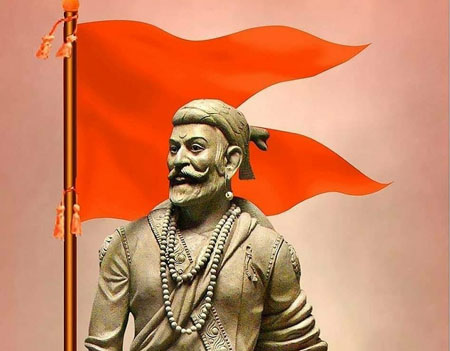
Shivaji's Swaraj: Legacy & Lessons
July 13, 2026
  • Read Ecopy
  • Circulation
  • Advertise
  • Careers
  • About Us
  • Contact Us
Android AppiPhone AppArattai
Organiser
  • ‌
  • Bharat
    • Assam
    • Bihar
    • Chhattisgarh
    • Jharkhand
    • Maharashtra
    • View All States
  • World
    • Asia
    • Europe
    • North America
    • South America
    • Africa
    • Australia
  • Editorial
  • International
  • Opinion
  • RSS @ 100
  • More
    • Op Sindoor
    • Analysis
    • Sports
    • Defence
    • Politics
    • Business
    • Economy
    • Culture
    • Special Report
    • Sci & Tech
    • Entertainment
    • G20
    • Azadi Ka Amrit Mahotsav
    • Vocal4Local
    • Web Stories
    • Education
    • Employment
    • Books
    • Interviews
    • Travel
    • Law
    • Health
    • Obituary
  • Subscribe
    • Subscribe Print Edition
    • Subscribe Ecopy
    • Read Ecopy
  • ‌
  • Bharat
    • Assam
    • Bihar
    • Chhattisgarh
    • Jharkhand
    • Maharashtra
    • View All States
  • World
    • Asia
    • Europe
    • North America
    • South America
    • Africa
    • Australia
  • Editorial
  • International
  • Opinion
  • RSS @ 100
  • More
    • Op Sindoor
    • Analysis
    • Sports
    • Defence
    • Politics
    • Business
    • Economy
    • Culture
    • Special Report
    • Sci & Tech
    • Entertainment
    • G20
    • Azadi Ka Amrit Mahotsav
    • Vocal4Local
    • Web Stories
    • Education
    • Employment
    • Books
    • Interviews
    • Travel
    • Law
    • Health
    • Obituary
  • Subscribe
    • Subscribe Print Edition
    • Subscribe Ecopy
    • Read Ecopy
Organiser
  • Home
  • Bharat
  • World
  • Operation Sindoor
  • Editorial
  • Analysis
  • Opinion
  • Culture
  • Defence
  • International Edition
  • RSS @ 100
  • Magazine
  • Read Ecopy
Home Editorial

Shivaji’s Swaraj: Legacy & Lessons

Prafulla KetkarPrafulla Ketkar
Jun 6, 2022, 01:05 pm IST
in Editorial
Follow on Google News
FacebookTwitterWhatsAppTelegramEmail

Shivaji died in 1680 AD and Ramdas in 1681. They had achieved much, but much more had yet to be achieved. They two died, but even their death would not kill the movement they had brought into being. It was not based on the narrow and shifting foundation of an individual life. It had struck its roots deep into the life of the nation”. – V D Savarkar, Hindu-Pad-Patshahi OR A CRITICAL REVIEW OF THE HINDU EMPIRE OF MAHARASHTRA, B G Paul & Co, Madras, 1925. P. 11


The Coronation of Shivaji Maharaj as Chhatrapati on June 6, 1774, or Jyeshtha Shukla 13 as per the Hindu calendar, was a momentous occasion in the history of Bharat for many reasons. Though celebrating the birth of great historical personalities is a general tradition, there is nothing wrong with that. But, in the case of Chhatrapati Shivaji, the Coronation ceremony assumes much more historical and contemporary significance, both from the Swaraj and Suraj point of view.

From the eighth century onwards, there were consistent external aggressions on Bharat. Though there was continuous resistance from the Kings and the society at large, the impact of the brutal onslaught on the national psyche was immeasurable. Of course, there was a glorious period of the Vijayanagar Empire for more than two hundred years from the mid-fourteenth century. The legacy of Raja Krishna Dev Raya could not be sustained later. Raja Shivaji dared to crown himself as an independent ruler fighting against the Mughals, Adilshah of Bijapur and Siddhis of Janjira. He instilled a new confidence in the indigenous population against the invaders, breaking their spell of superiority in terms of arms and administration. The idea of Hindavi Swaraj continued to guide the populace with a national perspective even after the death of Shivaji Maharaj. The same idea of Swaraj, based on the civilisational values of Swadharma (Selfhood), steered our freedom struggle against British rule and still holds a great significance.

The coronation also brought in a new era of strategic vision. With the help of a well-regulated and disciplined military, Shivaji Maharaj evolved his own doctrine of military engagement. The combination of guerrilla tactics, strategic alliances, and building a maritime strength allowed him to leverage the strategic factors like geography, speed, surprise, and focused pinpoint attacks on the larger and more powerful enemies as per the need. In the first half of the eighteenth century, what was later termed as the Maratha Empire, was the strategic march of the same Swaraj for the protection and unification of Bharat under one rule. Liberating the symbols of slavery and mixing the strategy of guerrilla warfare with the multiplication of power through alliances were critical parts of the expeditions from Attock to Cuttack. Reigniting the idea of nationhood and evolving the security strategy for protecting the same is still our national need.

Besides rousing the national consciousness among the common masses, the greatest contribution of Shivaji Maharaj’s coronation was the ideal of people-centric governance. The appointment of Asht-Pradhan (Council of Ministers) and the introduction of the Rayotwari (collecting direct taxes from the farmers) instead of Jahagirdari (Collection through middlemen) were revolutionary steps in that period. He established a competent and futuristic civil rule. Commissioning of the Rajya Vyavahar Kosh (Glossary of State Administration) was one of the most significant steps Shivaji Maharaj adopted to take administration closer to the people. The influence of Turkish and Arabic terminologies in the administrative parlance and Sanskrit-Prakrit originating nomenclatures like Pradhan and Nyayadhish were introduced. When the preference for Bharatiya languages in the administrative and judicial parlance is still debatable, Shivaji’s approach to indigenising terminologies can provide valuable insights.

When we are marching on the path from political independence to intellectual-spiritual selfhood, from Swaraj to Suraj, the ideas emanating from the Hindu Samarajya Divas – such as impersonalised and righteous rule, the importance of strategic vision based on the civilisational wisdom and inspiring the ordinary people for the extraordinary national objectives – should be researched and recontextualised.


Prafulla Ketkar
Prafulla Ketkar
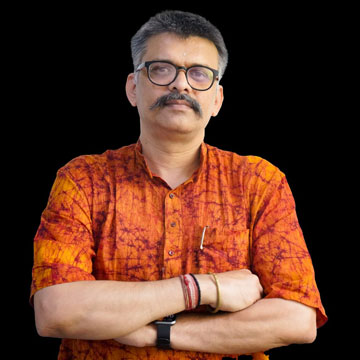
Prafulla Ketkar, is the Editor, Organiser (Weekly) since 2013. He has a experience of over 20 years in the fields of research, media and academics. He is also Advisory Committee School of Journalism, Delhi University. He has been writing on issues related to International politics and foreign policy, with special reference to China and Democracy, Hindutva, and Bharatiya Civilisation. He was also a member of the Editorial team of the recently published Complete Works of Pt Deendayal Ji in 15 Volumes. He has 2 books, 29 academic articles, 2 entries in Encyclopedia of India and numerous articles to his credit. [Read more]
Share20TweetSendShareSend
✮ Subscribe Organiser YouTube Channel. ✮
✮ Join Organiser's WhatsApp channel for Nationalist views beyond the news. ✮
Previous News

Why did Sadhguru choose to ride a bike for the ‘Save Soil’ campaign?

Next News

Minor Dalit girl gang-raped, strangulated to death in UP’s Chitrakoot; Accused Nadeem and others arrested

Related News

Prime Minister Narendra Modi (Left) and Indonesian President Prabowo Subianto (Right)

PM Modi’s Indonesia Visit: Threads from the past, transformation for future

PoJK: Uprising against continued colonisation

Delhi Riots 2020

Delhi Riots 2020: Former AAP Councillor Tahir Hussain & four others convicted for murdering IB Officer Ankit Sharma

500-year-old murti recovered from Bay Of Bengal after fishermen find it in fishing net

500-year-old murti recovered from Bay of Bengal by fishermen; Authorities probe origin & possible smuggling link

Commerce and Industry Minister Piyush Goyal

Fact Check: Piyush Goyal rejects Reuters report on India-US trade deal as “false & misleading”; Reaffirms balanced pact

Representative Image

West Bengal: 48 girls, including minors, rescued from Islampur red-light area in major anti-trafficking crackdown

Load More

Latest News

Prime Minister Narendra Modi (Left) and Indonesian President Prabowo Subianto (Right)

PM Modi’s Indonesia Visit: Threads from the past, transformation for future

PoJK: Uprising against continued colonisation

Delhi Riots 2020

Delhi Riots 2020: Former AAP Councillor Tahir Hussain & four others convicted for murdering IB Officer Ankit Sharma

500-year-old murti recovered from Bay Of Bengal after fishermen find it in fishing net

500-year-old murti recovered from Bay of Bengal by fishermen; Authorities probe origin & possible smuggling link

Commerce and Industry Minister Piyush Goyal

Fact Check: Piyush Goyal rejects Reuters report on India-US trade deal as “false & misleading”; Reaffirms balanced pact

Representative Image

West Bengal: 48 girls, including minors, rescued from Islampur red-light area in major anti-trafficking crackdown

Great Nicobar is emerging as a strategic gateway that strengthens India's maritime reach while increasing pressure on China's Malacca Dilemma

Great Nicobar Project to boost India’s Indo-Pacific leverage, deepen China’s Malacca Dilemma: Report

PM POSHAN

PM POSHAN Scheme: Yogi government launches massive drive to recruit 3.53 lakh cooks in Uttar Pradesh

Uttar Pradesh: US national claiming special forces past held near Indo-Nepal border without passport

Rajaprasad Bije Ritual: Servitors Convey Mahaprabhu's Recovery Message to Gajapati Maharaja Divya Singh Dev

Odisha: Rajaprasad Bije ritual held at Puri Jagannath Temple; Gajapati Maharaja informed of Mahaprabhu’s recovery

Load More
  • Privacy
  • Terms
  • Cookie Policy
  • Refund and Cancellation
  • Delivery and Shipping

© Bharat Prakashan (Delhi) Limited.
Tech-enabled by Ananthapuri Technologies

  • Home
  • Search Organiser
  • Bharat
    • Assam
    • Bihar
    • Chhattisgarh
    • Jharkhand
    • Maharashtra
    • View All States
  • World
    • Asia
    • Africa
    • North America
    • South America
    • Europe
    • Australia
  • Editorial
  • Operation Sindoor
  • Opinion
  • Analysis
  • Defence
  • Culture
  • Sports
  • Business
  • RSS @ 100
  • Entertainment
  • More ..
    • Sci & Tech
    • Vocal4Local
    • Special Report
    • Education
    • Employment
    • Books
    • Interviews
    • Travel
    • Health
    • Politics
    • Law
    • Economy
    • Obituary
  • Subscribe Magazine
  • Read Ecopy
  • Advertise
  • Circulation
  • Careers
  • About Us
  • Contact Us
  • Policies & Terms
    • Privacy Policy
    • Cookie Policy
    • Refund and Cancellation
    • Terms of Use

© Bharat Prakashan (Delhi) Limited.
Tech-enabled by Ananthapuri Technologies