The Changing Contours of Temples
July 9, 2026
  • Read Ecopy
  • Circulation
  • Advertise
  • Careers
  • About Us
  • Contact Us
Android AppiPhone AppArattai
Organiser
  • ‌
  • Bharat
    • Assam
    • Bihar
    • Chhattisgarh
    • Jharkhand
    • Maharashtra
    • View All States
  • World
    • Asia
    • Europe
    • North America
    • South America
    • Africa
    • Australia
  • Editorial
  • International
  • Opinion
  • RSS @ 100
  • More
    • Op Sindoor
    • Analysis
    • Sports
    • Defence
    • Politics
    • Business
    • Economy
    • Culture
    • Special Report
    • Sci & Tech
    • Entertainment
    • G20
    • Azadi Ka Amrit Mahotsav
    • Vocal4Local
    • Web Stories
    • Education
    • Employment
    • Books
    • Interviews
    • Travel
    • Law
    • Health
    • Obituary
  • Subscribe
    • Subscribe Print Edition
    • Subscribe Ecopy
    • Read Ecopy
  • ‌
  • Bharat
    • Assam
    • Bihar
    • Chhattisgarh
    • Jharkhand
    • Maharashtra
    • View All States
  • World
    • Asia
    • Europe
    • North America
    • South America
    • Africa
    • Australia
  • Editorial
  • International
  • Opinion
  • RSS @ 100
  • More
    • Op Sindoor
    • Analysis
    • Sports
    • Defence
    • Politics
    • Business
    • Economy
    • Culture
    • Special Report
    • Sci & Tech
    • Entertainment
    • G20
    • Azadi Ka Amrit Mahotsav
    • Vocal4Local
    • Web Stories
    • Education
    • Employment
    • Books
    • Interviews
    • Travel
    • Law
    • Health
    • Obituary
  • Subscribe
    • Subscribe Print Edition
    • Subscribe Ecopy
    • Read Ecopy
Organiser
  • Home
  • Bharat
  • World
  • Operation Sindoor
  • Editorial
  • Analysis
  • Opinion
  • Culture
  • Defence
  • International Edition
  • RSS @ 100
  • Magazine
  • Read Ecopy
Home Bharat

The Changing Contours of Temples

Historians not from our land always thought that temple construction activity began from the Gupta dynasty (320-550 c). They tried to trace the evolution of temple structures from this period only. Because Buddhism was the dominant religion in Bharat prior to this period and memory of our ways of living was probably washed away. Only garbha griha then Ardha Mandapa and then Mandapa is the sequence of evolution that is demonstrated. However, we know that temples and worshipping spaces have been a part of our

Archive ManagerArchive Manager
Jun 25, 2021, 05:32 am IST
in Bharat
Follow on Google News
FacebookTwitterWhatsAppTelegramEmail
 
In ancient India, the process of evolution and refinement of skills the temple facades started showcasing social activities through its sculptures. Consisting of subsidiary shrines, Natmandir, Bhogmandir, poet pavilion, confectioners, they were allowed to become part of the temple complex. In other words, the temple almost embraced and enveloped the town and its surrounding society or town
 
-Dr Ujwala Chakradeo
 
 
a_1  H x W: 0 x
 
 
Historians not from our land always thought that temple construction activity began from the Gupta dynasty (320-550 c). They tried to trace the evolution of temple structures from this period only. Because Buddhism was the dominant religion in Bharat prior to this period and memory of our ways of living was probably washed away. Only garbha griha then Ardha Mandapa and then Mandapa is the sequence of evolution that is demonstrated. However, we know that temples and worshipping spaces have been a part of our civilization ever since we existed. Now some researchers and historians have come up with evidence of temples in the form of an ‘altar’ in Vedic period (1500 BC). New GIS mapping of Saraswati river and her civilization dates back to many thousand years prior to this date. Thus temples in various forms existed, not only for the purpose of worshipping the deity but also for performing almost all the social activities prevailing in our land. Temples soon became social and education centres, and important economic institutions. They were a canvas for the visual arts and a stage for the performing arts.
 
In the later periods great temple complexes in South India, had hundreds of employees, from priests and administrators to masons, dancers, cooks, and potters. The life of people from society revolved around the temple. The daily routine gave assured involvement to a large number of people like priests, musicians, dancing girls, teachers, florists, tailors, etc. In due course of time the simple humble temple building became a vast collection of structures. Consisting of subsidiary shrines, Natmandir (dance pavilion), Bhogmandir (hall of offerings), poet pavilion, confectioners etc. they were allowed to become part of the temple complex. In other words, the temple almost embraced and enveloped the town and its surrounding society or town.
 
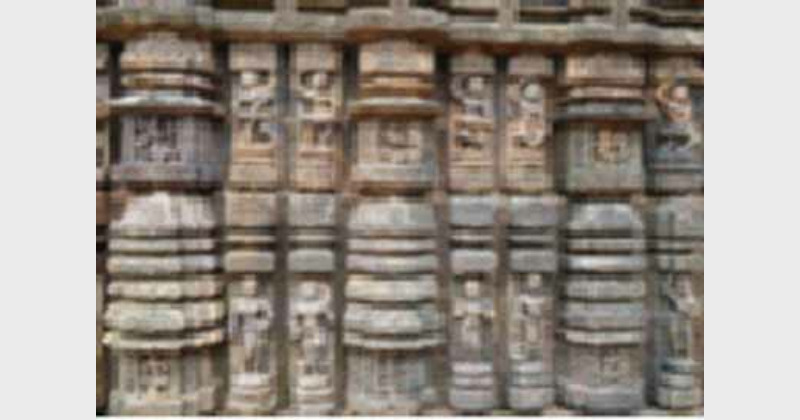
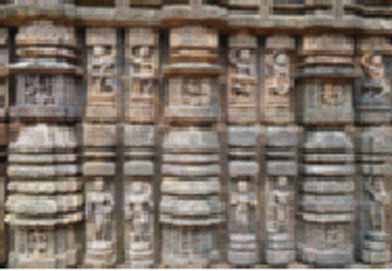
In the process of evolution and refinement of skills the temple facades started showcasing these social activities through its sculptures. A good example of this is the façade of Natmandir of Sun Temple of Konark.
 
(The columnist is Principal of SMM College of Architecture, Nagpur and specialises in Bharatiya Architectural Heritage)




ShareTweetSendShareSend
✮ Subscribe Organiser YouTube Channel. ✮
✮ Join Organiser's WhatsApp channel for Nationalist views beyond the news. ✮
Previous News

How the Indira Gandhi Government was shaken after a review of the film

Next News

BMS Observes Bengal Solidarity Day

Related News

Two men attacking the Rashtriya Swayamsevak Sangh (RSS) office in Jharkhand's Ranchi with petrol bombs

RSS Office Bomb Attack: NIA raids 20 locations across multiple states to probe ISI-linked TTH terror conspiracy

Kashmiri diaspora protests in Bradford over Pakistan's crackdown in PoJK

UK: Kashmiri diaspora holds protest in Bradford, urges global action against Pakistan’s crackdown in PoJK

The TMC chief led a protest march from Ballygunge Phari to Hazra More over the rape and murder of an 11-year-old girl in Baruipur. (Photo: X)

Did Mamata Banerjee slap her own party worker during Kolkata protest? Viral video sparks political row

Turkish President Recep Tayyip Erdogan meets a Hamas delegation in Turkey as the late Hamas political chief Ismail Haniyeh (left) looks on

Inside the Hamas-Turkey Link: Israeli reports put Ankara’s regional role under fresh spotlight

Mamata Banerjee, former Chief Minister of Bengal

ED freezes Rs 440.42 crore in TMC accounts under PMLA, probes alleged diversion of party funds for aircraft purchases

DMK MLA V Senthil Balaji

Tamil Nadu: Ex DMK Minister Senthil Balaji, brother get anticipatory bail in alleged Rs 35 crore TVK MLA bribery case

Load More

Latest News

Two men attacking the Rashtriya Swayamsevak Sangh (RSS) office in Jharkhand's Ranchi with petrol bombs

RSS Office Bomb Attack: NIA raids 20 locations across multiple states to probe ISI-linked TTH terror conspiracy

Kashmiri diaspora protests in Bradford over Pakistan's crackdown in PoJK

UK: Kashmiri diaspora holds protest in Bradford, urges global action against Pakistan’s crackdown in PoJK

The TMC chief led a protest march from Ballygunge Phari to Hazra More over the rape and murder of an 11-year-old girl in Baruipur. (Photo: X)

Did Mamata Banerjee slap her own party worker during Kolkata protest? Viral video sparks political row

Turkish President Recep Tayyip Erdogan meets a Hamas delegation in Turkey as the late Hamas political chief Ismail Haniyeh (left) looks on

Inside the Hamas-Turkey Link: Israeli reports put Ankara’s regional role under fresh spotlight

Mamata Banerjee, former Chief Minister of Bengal

ED freezes Rs 440.42 crore in TMC accounts under PMLA, probes alleged diversion of party funds for aircraft purchases

DMK MLA V Senthil Balaji

Tamil Nadu: Ex DMK Minister Senthil Balaji, brother get anticipatory bail in alleged Rs 35 crore TVK MLA bribery case

Countdown to Rath Yatra 2026: Chariot Construction Enters Final Phase
Sacred Jhoti-Chita Decorations Enhance the Grandeur of Mahaprabhu's Badadanda hindi

Rath Yatra 2026: Puri gears up for grand festival with final chariot preparations and multi-layered security shield

Foundation day of ABVP (This image is generated by AI)

ABVP Foundation Day: The eternal flame of national awakening

Singapore-based international journalist Sameer Mohindru seen presenting a book to J&K Governor Manoj Sinha during a courtesy call meeting at Lok Bhawan on July 6.

J&K LG Manoj Sinha felicitates devotee from Singapore on his 25th Amarnath Yatra

Foundation Day of ABVP (This is an AI generated image)

ABVP Foundation Day: How a student movement continues to evolve through education, leadership & nation-building

Load More
  • Privacy
  • Terms
  • Cookie Policy
  • Refund and Cancellation
  • Delivery and Shipping

© Bharat Prakashan (Delhi) Limited.
Tech-enabled by Ananthapuri Technologies

  • Home
  • Search Organiser
  • Bharat
    • Assam
    • Bihar
    • Chhattisgarh
    • Jharkhand
    • Maharashtra
    • View All States
  • World
    • Asia
    • Africa
    • North America
    • South America
    • Europe
    • Australia
  • Editorial
  • Operation Sindoor
  • Opinion
  • Analysis
  • Defence
  • Culture
  • Sports
  • Business
  • RSS @ 100
  • Entertainment
  • More ..
    • Sci & Tech
    • Vocal4Local
    • Special Report
    • Education
    • Employment
    • Books
    • Interviews
    • Travel
    • Health
    • Politics
    • Law
    • Economy
    • Obituary
  • Subscribe Magazine
  • Read Ecopy
  • Advertise
  • Circulation
  • Careers
  • About Us
  • Contact Us
  • Policies & Terms
    • Privacy Policy
    • Cookie Policy
    • Refund and Cancellation
    • Terms of Use

© Bharat Prakashan (Delhi) Limited.
Tech-enabled by Ananthapuri Technologies