More fruits and veggies, less red meat: This is planet-friendly diet
July 5, 2026
  • Read Ecopy
  • Circulation
  • Advertise
  • Careers
  • About Us
  • Contact Us
Android AppiPhone AppArattai
Organiser
  • ‌
  • Bharat
    • Assam
    • Bihar
    • Chhattisgarh
    • Jharkhand
    • Maharashtra
    • View All States
  • World
    • Asia
    • Europe
    • North America
    • South America
    • Africa
    • Australia
  • Editorial
  • International
  • Opinion
  • RSS @ 100
  • More
    • Op Sindoor
    • Analysis
    • Sports
    • Defence
    • Politics
    • Business
    • Economy
    • Culture
    • Special Report
    • Sci & Tech
    • Entertainment
    • G20
    • Azadi Ka Amrit Mahotsav
    • Vocal4Local
    • Web Stories
    • Education
    • Employment
    • Books
    • Interviews
    • Travel
    • Law
    • Health
    • Obituary
  • Subscribe
    • Subscribe Print Edition
    • Subscribe Ecopy
    • Read Ecopy
  • ‌
  • Bharat
    • Assam
    • Bihar
    • Chhattisgarh
    • Jharkhand
    • Maharashtra
    • View All States
  • World
    • Asia
    • Europe
    • North America
    • South America
    • Africa
    • Australia
  • Editorial
  • International
  • Opinion
  • RSS @ 100
  • More
    • Op Sindoor
    • Analysis
    • Sports
    • Defence
    • Politics
    • Business
    • Economy
    • Culture
    • Special Report
    • Sci & Tech
    • Entertainment
    • G20
    • Azadi Ka Amrit Mahotsav
    • Vocal4Local
    • Web Stories
    • Education
    • Employment
    • Books
    • Interviews
    • Travel
    • Law
    • Health
    • Obituary
  • Subscribe
    • Subscribe Print Edition
    • Subscribe Ecopy
    • Read Ecopy
Organiser
  • Home
  • Bharat
  • World
  • Operation Sindoor
  • Editorial
  • Analysis
  • Opinion
  • Culture
  • Defence
  • International Edition
  • RSS @ 100
  • Magazine
  • Read Ecopy
Home Bharat

More fruits and veggies, less red meat: This is planet-friendly diet

If we want to live healthy and also keep the planet healthy, the only way is to align our diets with what is good for us as well as the planet, a new study published in medical journal The Lancet on Thursday has concluded

Archive ManagerArchive Manager
Jan 17, 2019, 05:42 pm IST
in Bharat
Follow on Google News
FacebookTwitterWhatsAppTelegramEmail


Dinesh C Sharma
 

New Delhi: If you want to remain healthy and also keep the planet earth healthy, begin the change on your dining table.

 
Over the past half a century, food habits have changed globally – leaning more towards unhealthy diets that are high in calories and heavily-processed and animal source foods. This shift has led to not only rising burden of obesity and non-communicable but has also contributed to environmental degradation.
 
If we want to live healthy and also keep the planet healthy, the only way is to align our diets with what is good for us as well as the planet, a new study published in medical journal The Lancet on Thursday has concluded.
 
The global study has recommended a planet reference diet which is good for human health as well as sustainable development. A collective effort to transform diets and food production globally can ensure there is enough food for 10 billion people the planet will have by 2050 and also beyond. The study has been done by The Lancet Commission – a collection of 37 experts from 16 countries.
 
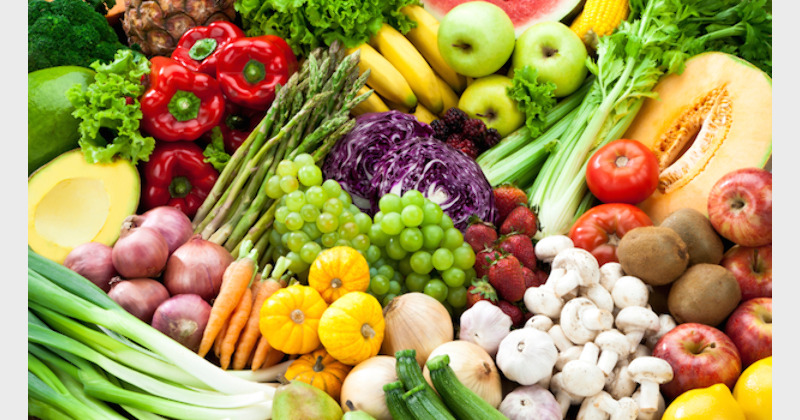
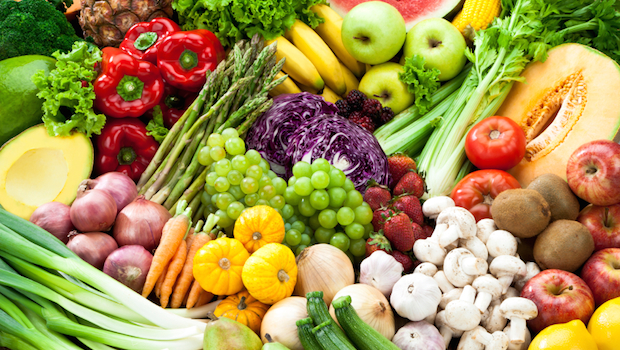
The healthy reference diet recommended largely consists of vegetables, fruits, whole grains, legumes, nuts and unsaturated oils. It also includes a low to moderate amount of seafood and poultry, no or low quantity of red meat, processed meat, added sugar, refined grains and starchy vegetables.
 
The dietary shift would mean a dramatic reduction on the consumption of unhealthy foods like read meat by, at least, 50 per cent, with a recommended daily combined intake of 14 grams. On the other hand, there should be 100 per cent increase in the consumption of legumes, nuts, fruits and vegetables. Multi-sectoral policies have been suggested for this shift.
 
“Humanity’s dominant diets are not good for us and they are not good for the planet,” the journal said in its editorial. The transformation in global food systems requires changes at multiple levels in the form of incentives, regulations and integration of policies in different sectors.
 
“Rising global demand for food over the next thirty years has to be met by the agricultural and food systems in environment friendly ways that assure good nutrition to all,” observed Dr K Srinath Reddy, President, Public Health Foundation of India, one of the co-authors of the study.
 
Predominantly plant-based foods should be promoted globally, with reduced consumption of red meat in countries where it is unduly high. “A flexitarian diet with plenty of fruits, vegetables, nuts, seeds, a diversity of grains and a moderate amount of fish is appropriate with fowl and small amounts of red meat as an occasional component. For India, the focus should be on improving the production, preservation, processing, supply and consumption of fruit and vegetables while increasing the availability of plant protein sources like pulses. Reducing sugar consumption should be a universal goal,” he added.
 
Sunita Narain, director general, Centre for Science and Environment (CSE) who is also co-author of the study, told India Science Wire, “the most important takeaway is that we must recognise that our traditional diet, both in terms of plant-based proteins and moderation in meat consumption, is turning out to the best diet in the world. As I have repeatedly said, it is not only about meat, but how much is eaten and how it is grown. That is what the Lancet Commission has recognised.” (India Science Wire)



ShareTweetSendShareSend
✮ Subscribe Organiser YouTube Channel. ✮
✮ Join Organiser's WhatsApp channel for Nationalist views beyond the news. ✮
Previous News

Compulsive Contrarians Manufacture Logic to Subvert Democracy: Arun Jaitley

Next News

Bharat Vikas Parishad to Adopt 1500 Villages

Related News

RSS Sarkaryavah Dattatreya Hosabale

“Unfortunate and painful, true Dharmikta must be restored”: Dattatreya Hosabale

Eleven Years of Digital Innovation Transforming everyday life across India

A Decade of Digital India: Revolutionising payment & healthcare ecosystem; Making everyday life easier for Indians

EPF gets its biggest overhaul in 74 years: What the new rules mean for salaried employees

PFI weapon trainer Ayoob - RSS leader Sreenivasan (Left to Right)

Keralam: PFI weapon trainer Ayoob surrenders before Kochi NIA Court in RSS leader Sreenivasan murder case

Meenakshi Amman Mandir

Top 10 Tallest Gopurams in India: Exploring the magnificent Mandir towers of Dravidian architecture

Andhra Pradesh: NHRC orders probe into Kurnool Diocese-linked St Anthony’s orphanage over FCRA violations

Load More

Latest News

RSS Sarkaryavah Dattatreya Hosabale

“Unfortunate and painful, true Dharmikta must be restored”: Dattatreya Hosabale

Eleven Years of Digital Innovation Transforming everyday life across India

A Decade of Digital India: Revolutionising payment & healthcare ecosystem; Making everyday life easier for Indians

EPF gets its biggest overhaul in 74 years: What the new rules mean for salaried employees

PFI weapon trainer Ayoob - RSS leader Sreenivasan (Left to Right)

Keralam: PFI weapon trainer Ayoob surrenders before Kochi NIA Court in RSS leader Sreenivasan murder case

Meenakshi Amman Mandir

Top 10 Tallest Gopurams in India: Exploring the magnificent Mandir towers of Dravidian architecture

Andhra Pradesh: NHRC orders probe into Kurnool Diocese-linked St Anthony’s orphanage over FCRA violations

RSS Sarsanghchalak Dr Mohan Bhagwat

“India will show the way and humanity must follow the path”: RSS Sarsanghchalak Mohan Bhagwat

Hindu-Americans raise concern about spiking Hinduphobia on 250th US Independence Day; Highlight centuries of relations

India's MANAS platform enables anonymous drug reporting and access to counselling and rehabilitation

MANAS: How India’s digital anti-drug platform is empowering citizens against substance abuse and trafficking

British chemical warfare experiments involving Indian Army soldiers remain a debated part of colonial history

Beyond the Battlefield: How British laboratories conducted chemical experiments on Indian Army troops in colonial India

Load More
  • Privacy
  • Terms
  • Cookie Policy
  • Refund and Cancellation
  • Delivery and Shipping

© Bharat Prakashan (Delhi) Limited.
Tech-enabled by Ananthapuri Technologies

  • Home
  • Search Organiser
  • Bharat
    • Assam
    • Bihar
    • Chhattisgarh
    • Jharkhand
    • Maharashtra
    • View All States
  • World
    • Asia
    • Africa
    • North America
    • South America
    • Europe
    • Australia
  • Editorial
  • Operation Sindoor
  • Opinion
  • Analysis
  • Defence
  • Culture
  • Sports
  • Business
  • RSS @ 100
  • Entertainment
  • More ..
    • Sci & Tech
    • Vocal4Local
    • Special Report
    • Education
    • Employment
    • Books
    • Interviews
    • Travel
    • Health
    • Politics
    • Law
    • Economy
    • Obituary
  • Subscribe Magazine
  • Read Ecopy
  • Advertise
  • Circulation
  • Careers
  • About Us
  • Contact Us
  • Policies & Terms
    • Privacy Policy
    • Cookie Policy
    • Refund and Cancellation
    • Terms of Use

© Bharat Prakashan (Delhi) Limited.
Tech-enabled by Ananthapuri Technologies