The great tradition of philanthropy in the US ?gospel of wealth?
June 10, 2026
  • Read Ecopy
  • Circulation
  • Advertise
  • Careers
  • About Us
  • Contact Us
Android AppiPhone AppArattai
Organiser
  • ‌
  • Bharat
    • Assam
    • Bihar
    • Chhattisgarh
    • Jharkhand
    • Maharashtra
    • View All States
  • World
    • Asia
    • Europe
    • North America
    • South America
    • Africa
    • Australia
  • Editorial
  • International
  • Opinion
  • RSS @ 100
  • More
    • Op Sindoor
    • Analysis
    • Sports
    • Defence
    • Politics
    • Business
    • Economy
    • Culture
    • Special Report
    • Sci & Tech
    • Entertainment
    • G20
    • Azadi Ka Amrit Mahotsav
    • Vocal4Local
    • Web Stories
    • Education
    • Employment
    • Books
    • Interviews
    • Travel
    • Law
    • Health
    • Obituary
  • Subscribe
    • Subscribe Print Edition
    • Subscribe Ecopy
    • Read Ecopy
  • ‌
  • Bharat
    • Assam
    • Bihar
    • Chhattisgarh
    • Jharkhand
    • Maharashtra
    • View All States
  • World
    • Asia
    • Europe
    • North America
    • South America
    • Africa
    • Australia
  • Editorial
  • International
  • Opinion
  • RSS @ 100
  • More
    • Op Sindoor
    • Analysis
    • Sports
    • Defence
    • Politics
    • Business
    • Economy
    • Culture
    • Special Report
    • Sci & Tech
    • Entertainment
    • G20
    • Azadi Ka Amrit Mahotsav
    • Vocal4Local
    • Web Stories
    • Education
    • Employment
    • Books
    • Interviews
    • Travel
    • Law
    • Health
    • Obituary
  • Subscribe
    • Subscribe Print Edition
    • Subscribe Ecopy
    • Read Ecopy
Organiser
  • Home
  • Bharat
  • World
  • Operation Sindoor
  • Editorial
  • Analysis
  • Opinion
  • Culture
  • Defence
  • International Edition
  • RSS @ 100
  • Magazine
  • Read Ecopy
Home Bharat

The great tradition of philanthropy in the US ?gospel of wealth?

IT is a human tendency to take from society whatever it can without feeling obligated about returning to society what has been taken. Andrew Carnegie, who streamlined steel operations in America, decided late in life to conduct large-scale philanthropy with the same obsession as he ran his business.

Archive ManagerArchive Manager
Nov 24, 2012, 03:55 pm IST
in Bharat
Follow on Google News
FacebookTwitterWhatsAppTelegramEmail

Manju Gupta
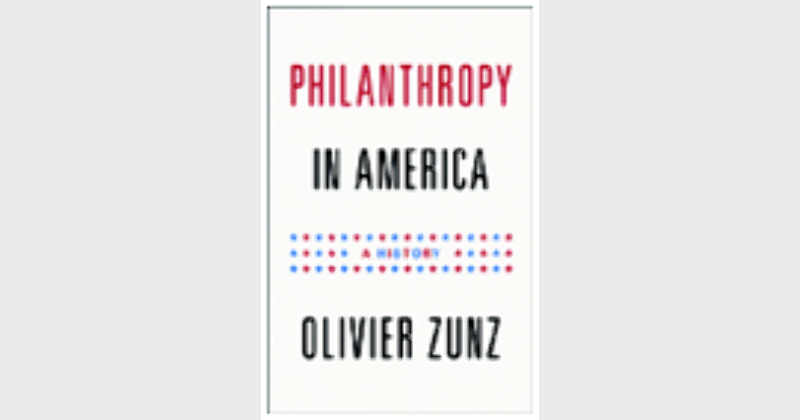
Philanthropy in America:
A Story, Olivier Zunz, Princeton University Press, Pp 384, £ 19.95
$img_titleIT is a human tendency to take from society whatever it can without feeling obligated about returning to society what has been taken. Andrew Carnegie, who streamlined steel operations in America, decided late in life to conduct large-scale philanthropy with the same obsession as he ran his business. He “resolved to stop accumulating” and began “the infinitely more serious and difficult task” of what he termed “wise distribution”. In his own words he decided to follow the “gospel of wealth” that obligated him to return to society something of what he had taken and thus decided to subscribe to the art of spending money for the common good. He put his large fortune to work for large causes at home and abroad.
His approach to philanthropy gained currency with many of his peers putting their fortunes to work for large causes at home and abroad. This rise in disposable income among the middle and working classes dramatically increased the number of Americans who would join in such causes. By the 1950s mass philanthropy got so well integrated into everyday life in the United States that one “could identify the season by the door-to-door collection in progress – winter and spring for health agencies and the Red Cross, fall (autumn) for community charity.”
In this book, the author tells the story of the convergence of big-money philanthropy and mass giving that has sustained the civil society initiatives over a long 20th century. He says that from Andrew Carnegie to Bill Gates and from ordinary people who purchased Christmas seals to fight tuberculosis to those who wear pink ribbons to battle breast cancer, the United States came to view philanthropy as both “a quintessential part of being American” and another means of achieving major objectives. Foundations originating in large private fortunes collaborated with institutions of mass philanthropy in promoting scientific research, supporting educational institutes and fighting for human rights.
Traditional charitable donors had modest goals and did not expect much in return for their generosity. The author however believes that what may have been true of the traditional giver was no longer true of the modern philanthropic giver. “American philanthropy would be a capitalist venture in social betterment, not an act of kindness as understood in Christianity.”
Philanthropy grew even more inclusive after the turn of the century as new forms of giving attracted donations from millions of Americans with modes means. The more ambitious the philanthropic projects, the more inextricably they became linked with national affairs. Politicians and regulators confronted by a myriad of innovations and by the leverage philanthropists applied formalised the government’s recognition of philanthropic institutions as public assets through its revenue acts. The income tax act was amended, with the result that tax exemptions not only nurtured philanthropy in society, but enhanced it. Equally important, it encouraged an otherwise diverse group of institutions that had dispersed private funds for public good to work together, thus fostering a non-profit sector of groups with similar interests and privileges.
The American government has encouraged the creation of philanthropy resources only to the extent that prevents their application to political processes and prevents philanthropic lobbying of politicians and political campaigns to give an unfair advantage to some. “Courts and government officials have therefore built an often arbitrary divide between a political and neutral field of “education”, which they allow to philanthropy and political “action” which is off limits,” says the author.
Philanthropists were allowed to finance schools for African-American children in the South but which were subject to a host of legal hurdles when they attempted to desegregate them, assist in voter regulation or otherwise help minorities fight for their civil rights.
In other words philanthropy touches all strata of American society and is a powerful engine that furthers the common good and forms a core pillar of America’s history and democracy. It has shaped and continues to shape all areas of American society ranging from domestic politics, social programmes, foreign politics and the governing and funding of universities to how libraries work, how doctors are educated, how the health care system works and how domestic and international relief work is funded.
The author of the book, a Commonwealth Professor of History at the University of Virginia, says that the lesson to be drawn from this history of philanthropy is that the latter “enlarges democracy when it is an activity in which many participate.”
(Princeton University Press, 41, William Street, Princeton, New Jersey 08540, press.princeton.edu)

 

ShareTweetSendShareSend
✮ Subscribe Organiser YouTube Channel. ✮
✮ Join Organiser's WhatsApp channel for Nationalist views beyond the news. ✮
Previous News

Bharat Parikrama Yatra to enter Goa on November 28

Next News

?Ensure 26 per cent profit share for Vanvasis in all mines?

Related News

Assam: Auto driver Monowar Hussain arrested for molesting, attempting to rape tribal woman passenger in Guwahati

The world recognises unprecedented growth in digital infrastructure during the 12 years of Modi's government

12 Years of Modi Government: How India built one of the world’s largest digital public infrastructure ecosystems

The image of alleged "Kolkotta Bayee" Jewel King living at Pathanamthitta

Keralam: WhatsApp status reveals illegal Bangladeshi who lived in Pathanamthitta for five years as ‘Kolkotta Bayee’

Following TMC’s defeat in 2026 West Bengal Assembly election, speculation grew that its MPs were moving towards the NDA under BJP pressure

Why TMC MPs are looking towards the NDA: Examining the electoral arithmetic behind the political shift

Father dies on the day of daughter's Nikah over dispute over Mehar amount in Uttarakhand

Uttarakhand: Bride’s father dies of heart attack amid pressure and dispute over mehar amount in nikah

India has been transformed by major advances in digital governance, financial inclusion, and global influence under Modi govt

India After 12 Years of Modi: A record, revolution and remaining challenges

Load More

Latest News

Assam: Auto driver Monowar Hussain arrested for molesting, attempting to rape tribal woman passenger in Guwahati

The world recognises unprecedented growth in digital infrastructure during the 12 years of Modi's government

12 Years of Modi Government: How India built one of the world’s largest digital public infrastructure ecosystems

The image of alleged "Kolkotta Bayee" Jewel King living at Pathanamthitta

Keralam: WhatsApp status reveals illegal Bangladeshi who lived in Pathanamthitta for five years as ‘Kolkotta Bayee’

Following TMC’s defeat in 2026 West Bengal Assembly election, speculation grew that its MPs were moving towards the NDA under BJP pressure

Why TMC MPs are looking towards the NDA: Examining the electoral arithmetic behind the political shift

Father dies on the day of daughter's Nikah over dispute over Mehar amount in Uttarakhand

Uttarakhand: Bride’s father dies of heart attack amid pressure and dispute over mehar amount in nikah

India has been transformed by major advances in digital governance, financial inclusion, and global influence under Modi govt

India After 12 Years of Modi: A record, revolution and remaining challenges

Will CM Joseph Vijay preserve Tamil Nadu’s priceless temple heritage as artefacts decay in Egmore museum

Book Review | Zubeen Garg: 'The Voice That Bridged Worlds' by Prosenjit Nath

Book Review | Zubeen Garg: ‘The Voice That Bridged Worlds’ by Prosenjit Nath

A representative image generated using AI

“I am Christian, I don’t want any bhagwan”: Nurse booked for placing murtis of Hindu gods on footwear stand in Palghar

Uttar Pradesh CM Yogi Adityanath

Project GANGA: Yogi Adityanath’s ambitious plan to transform rural Uttar Pradesh into network of smart digital villages

Load More
  • Privacy
  • Terms
  • Cookie Policy
  • Refund and Cancellation
  • Delivery and Shipping

© Bharat Prakashan (Delhi) Limited.
Tech-enabled by Ananthapuri Technologies

  • Home
  • Search Organiser
  • Bharat
    • Assam
    • Bihar
    • Chhattisgarh
    • Jharkhand
    • Maharashtra
    • View All States
  • World
    • Asia
    • Africa
    • North America
    • South America
    • Europe
    • Australia
  • Editorial
  • Operation Sindoor
  • Opinion
  • Analysis
  • Defence
  • Culture
  • Sports
  • Business
  • RSS @ 100
  • Entertainment
  • More ..
    • Sci & Tech
    • Vocal4Local
    • Special Report
    • Education
    • Employment
    • Books
    • Interviews
    • Travel
    • Health
    • Politics
    • Law
    • Economy
    • Obituary
  • Subscribe Magazine
  • Read Ecopy
  • Advertise
  • Circulation
  • Careers
  • About Us
  • Contact Us
  • Policies & Terms
    • Privacy Policy
    • Cookie Policy
    • Refund and Cancellation
    • Terms of Use

© Bharat Prakashan (Delhi) Limited.
Tech-enabled by Ananthapuri Technologies