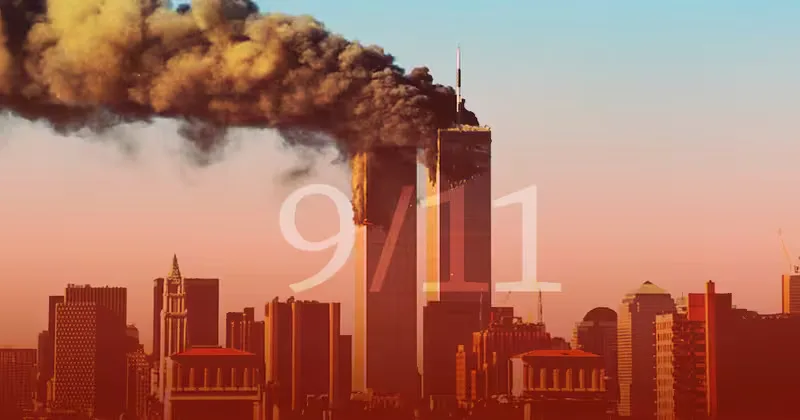
New York City authorities released more than 1,70,000 pages of declassified documents related to the 9/11 attacks. The disclosed documents offer a detailed look at what officials knew about air quality, toxic exposure and health risks around the Ground Zero(the site where World Trade Centre twin towers were situated) in the months after the World Trade Centre twin towers were destroyed in the terror attack.
The documents, released through a new public portal ahead of the 25th anniversary of 9/11, include air-quality reports, internal government correspondence, health assessments, legal memoranda and the city’s response to the 9/11 attack that killed nearly 3,000 people. The records provide new insight into concerns over asbestos, toxic dust and other hazardous contaminants, as well as the steps taken by officials as the centre was being reopened.
The release of the critical documents follow legal action by 9/11 Health Watch, which had sought access to the records. The city said more documents will be released over the coming year.
Documents show asbestos concerns near Ground Zero
One of the key findings as per the released documents is the evidence of asbestos contamination in areas around Ground Zero for months after the attacks. The documents include an October 6, 2001, memo from then-Associate Health Commissioner Kelly McKinney who warned that air surrounding the Ground Zero was contaminated with asbestos and was not yet suitable for reoccupation.
Other records concerns over asbestos detected in dust and debris. The material was particularly significant because people were returning to apartments and workplaces in Lower Manhattan while cleanup and recovery operations were still underway. A memo concerning cleanup practices also raised questions about instructions given to residents to clean dust and debris using wet mops and rags despite asbestos contamination & health risks.
Internal reports raised alarm over toxic air
The released files contain air-quality reports and communications between city officials documenting concerns about pollutants in the aftermath of the attacks. Records from October and November 2001 reportedly detected elevated levels of asbestos and other hazardous chemicals.
The documents also include findings cited by US Representative Jerry Nadler, including research by University of California, Davis scientists that identified high concentrations of ultra-fine Particulate Matter(PM) are capable of penetrating deep into the lungs and causing hazardous effect on the health.
The records therefore provide a picture of an environment in which health concerns were continuing to emerge even as Lower Manhattan was being prepared for reopening.
‘Harding Memo’ warned of health-related legal claims
Among the documents released, most significant is the October 2001 “Harding Memo,” sent to then-Deputy Mayor Robert Harding. The memo discussed the potential legal consequences of the city’s response to the disaster. It cited an estimate of around 35,000 potential plaintiffs, with approximately 10,000 expected to file claims.
Importantly, the document identified health advisories as a potential source of liability, noting concerns that people have been encouraged to return to affected areas too soon and consequently they are exposed to toxic environment..
Records detail concerns over first responders and residents
The documents also contain materials concerning the exposure of firefighters, first responders, workers and residents to dust and pollutants following the collapse of the towers. Some records describe health problems reported by people exposed to the dust, including respiratory difficulties, asthma, headaches, nosebleeds and skin problems.
The files also contain concerns about the use of respirators and the adequacy of protective measures for people involved in the recovery and cleanup operations. The records also provide evidence of the difficulties faced by people living in apartments and buildings near Ground Zero, where dust from the collapse entered homes and remained after the attacks, thus intensifing the vulnerabilities & health risks.
Chinatown faced additional health and outreach problems
The documents also shed light on the impact of the 9/11 disaster on New York’s Chinatown, located close to Ground Zero. Records describe residents reporting dust contamination inside their homes and subsequent respiratory problems. They also have raised concerns that language barriers limited access to information about government assistance and indoor cleanup programmes.
One study cited in the documents found a substantial increase in the severity of asthma symptoms among Chinese American children receiving care in Chinatown.
Authorities were aware of health risks; Gave false assurance about public safety
The records also illustrate that authorities knew about the air-quality risks and internal discussions were held about the vulnerabilities, post 9/11. However, public assurances in the aftermath of the attack was that conditions were safe or acceptable.
One of the documents cited that officials and scientists raised concerns over asbestos and other pollutants. However, public messaging encouraged residents and workers to return to the affected areas, and were deemed as safe.
Former Environmental Protection Agency Administrator Christine Todd Whitman, who had publicly said that the air around Ground Zero was safe, has maintained that her statements were based on the information and scientific assessments available to the EPA at the time.
The newly released records are therefore significant not only because they contain additional air-quality data, but because they present the picture about internal warnings, environmental testing, health concerns and natue of government communications during the critical months following the 9/11 attacks.
Nearly 25 years later, Health risks continue
The September 11 attacks killed 2,977 people, but the health consequences of exposure to the dust, smoke and toxic substances at the World Trade Centre site have continued for decades. The subsequent death toll in the long-run is more, as many people were being exposed to the contaminated air and suffered from health vulnerabilities for years.
According to the 9/11 Memorial, more than 1,40,000 people from across all 50 US states were enrolled in the World Trade Centre Health Program, while around 49,000 first responders and survivors had been diagnosed with certified World Trade Centre-related cancers.
The documents are being made available through a searchable public portal, with additional records expected to be released over the next year.