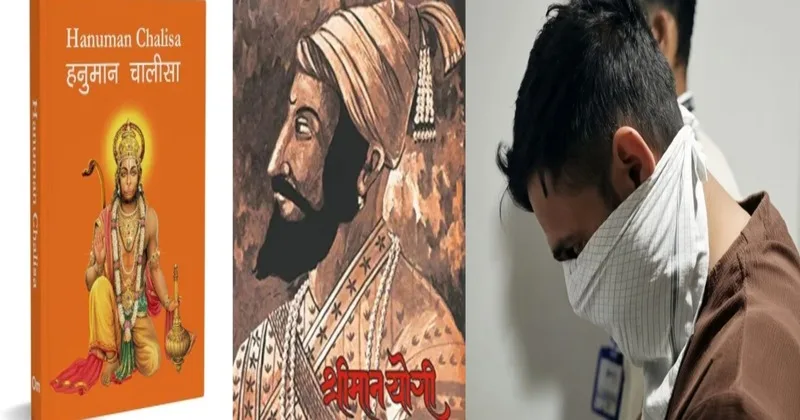
DELHI: A Delhi court has permitted an undertrial accused in the 2026 NEET-UG paper-leak case to receive the Hanuman Chalisa, Mangal Stotra and Shrimaan Yogi, Ranjit Desai’s celebrated biographical novel on Chhatrapati Shivaji Maharaj, while lodged in Tihar Jail.
Special Judge Ajay Gupta allowed the application filed by Dhananjay Nivrutti Lokhande, whom the Central Bureau of Investigation has accused of functioning as an important link in the circulation of the leaked examination paper.
Lokhande requested permission to obtain the three texts through his family members or authorised counsel. In its September 1 order, the Court directed the jail authorities to provide the religious literature to him, subject to a security check and compliance with the applicable Jail Manual.
According to the CBI, he collected NEET examination material from a co-accused in Pune and transmitted it further through the alleged paper-leak network. Thirteen people have reportedly been arrested, and the case is being heard on a day-to-day basis by the designated special court.
Indeed, in the same proceedings, the Court rejected requests by two other accused for additional time to inspect documents not relied upon by the prosecution. It emphasised that the amended law requires an expeditious trial and that each day is important. The order granting access to books therefore did not dilute the seriousness of the prosecution or interrupt the progress of the trial.
Its significance lies elsewhere. Imprisonment and judicial custody restrict physical liberty; they do not extinguish every dimension of conscience, faith or intellectual life. An undertrial remains presumed innocent until convicted and continues to possess those rights that are compatible with lawful incarceration and prison discipline.
The Hanuman Chalisa, composed by Goswami Tulsidas, is not merely a set of devotional verses. For crores of Bharatiyas, it represents courage, seva, humility and the strength to overcome fear. Mangal Stotra similarly forms part of an individual’s spiritual practice. Shrimaan Yogi introduces the reader to the life and statecraft of Chhatrapati Shivaji Maharaj, whose legacy embodies swarajya, justice and resistance to oppression.
Allowing such literature inside prison recognises the reformative purpose of the criminal-justice system. Bharatiya thought has never viewed punishment solely as vengeance. Prayaschitta, introspection and inner transformation occupy an important place in the civilisational understanding of justice. Books and spiritual literature may assist that process without interfering with either investigation or trial.
Access to prayer and literature cannot be denied merely because a person faces grave accusations.
By coupling access with security clearance and Jail Manual compliance, the Court protected both institutional discipline and the undertrial’s inward freedom. It is a small order, but one grounded in a humane and distinctly reformative vision of justice.