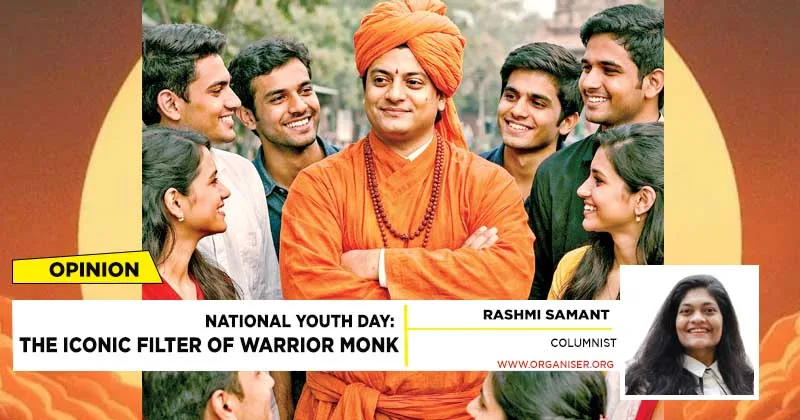
As the sun rises on January 12th, the birth anniversary of Swami Vivekananda, celebrated across the nation as National Youth Day, India finds itself at a civilisational crossroads. The strength of a nation is often measured by its GDP or its military prowess, but its true endurance lies in the icons its youth chooses to emulate.
Icons are more than mere historical figures; they are the psychological blueprints of a generation. Today, the Indian youth is making a conscious, ideological choice: a choice between the path of unification and construction represented by Vivekananda, and the path of fragmentation and unrest represented by divisive ideologies.
Over the past two years, we have witnessed a “Gen Z Spring” in our neighbourhood. From the “student-led” movement in Bangladesh that toppled a democratic regime, to the fierce Nepalese Gen Z uprising against censorship and corruption, the world has watched young people take to the streets for better or worse. In the wake of these events, global commentators and internal critics alike have asked: Why is the world’s largest youth population—India’s Gen Z—not doing the same?
The answer is not found in apathy or silence. It is found in a conscious, ideological choice. While our neighbours have been busy taking to the streets to “break” systems, the Indian youth is channeling its energy to build. The difference lies in the icons we choose to follow.
Power of Right Icon: Construction vs. Chaos
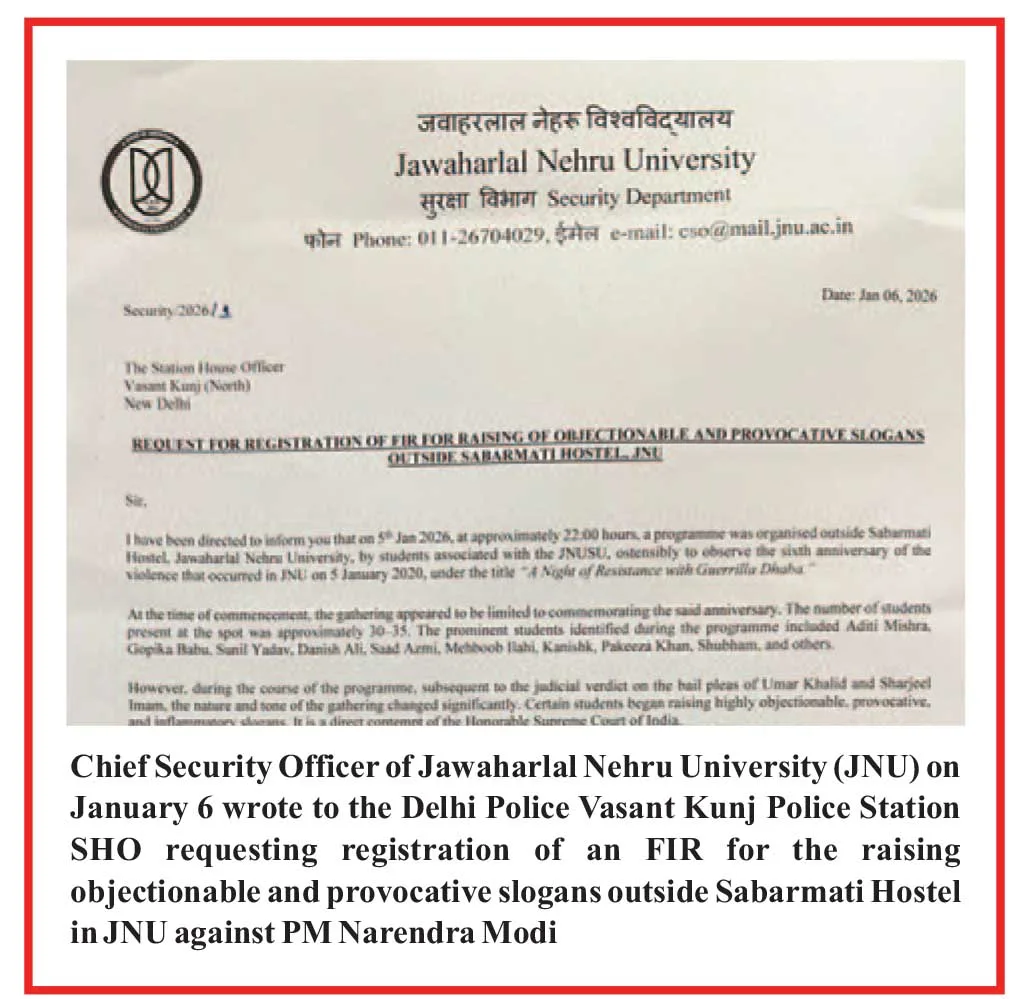
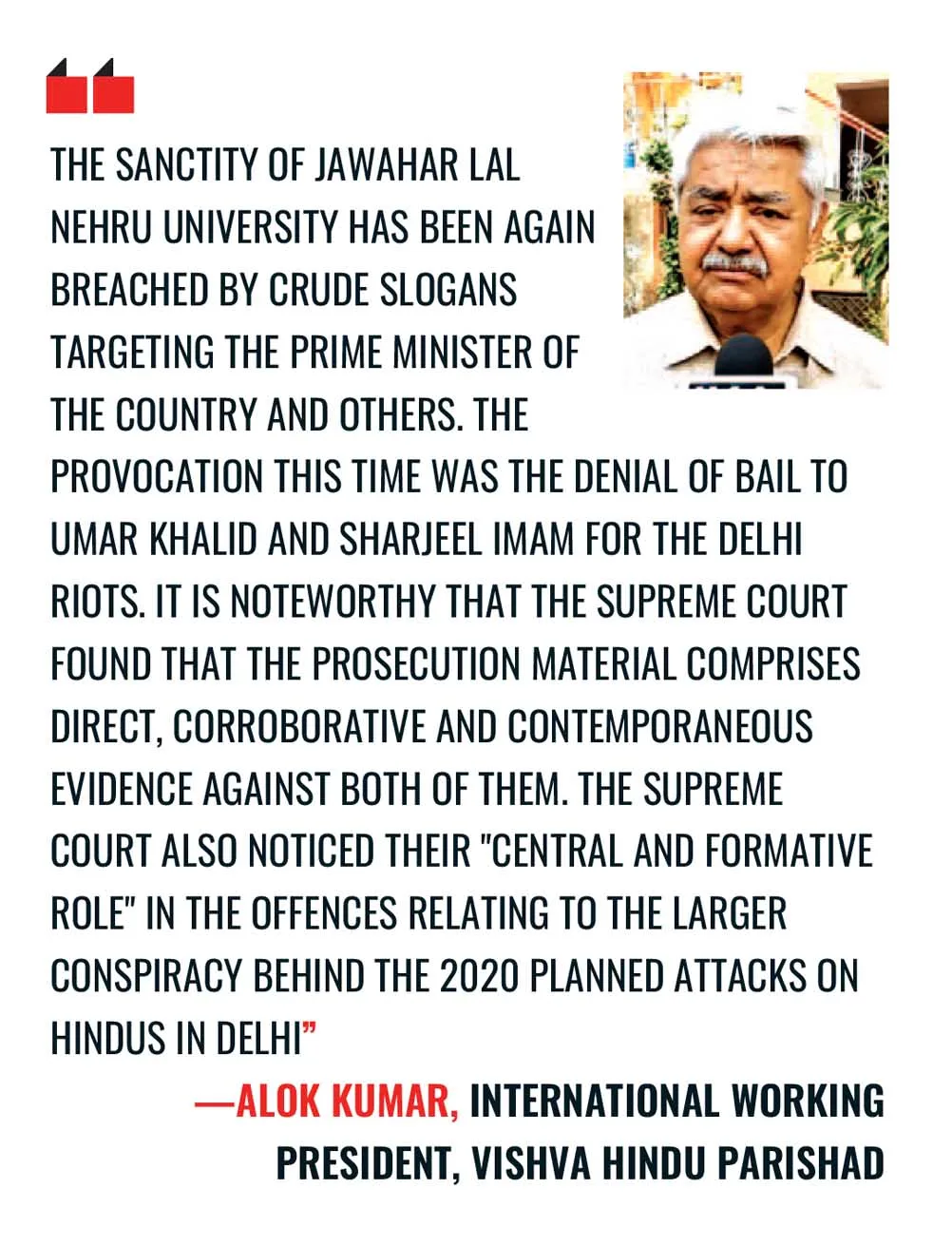
The choice of an icon dictates the trajectory of a young mind’s energy. When a youth looks toward Swami Vivekananda, they see a man who harmonised ancient spiritual depth of India with the modern necessity of scientific progress. He did not call for the dismantling of the state, but for the awakening of the self to serve the state. In contrast, figures like Sharjeel Imam represent a radical departure from this constructive ethos. Where Vivekananda spoke of Daridra Narayana (serving God through the poor), divisive ideologies often speak the language of “breaking,” “cutting,” and “alienating.”
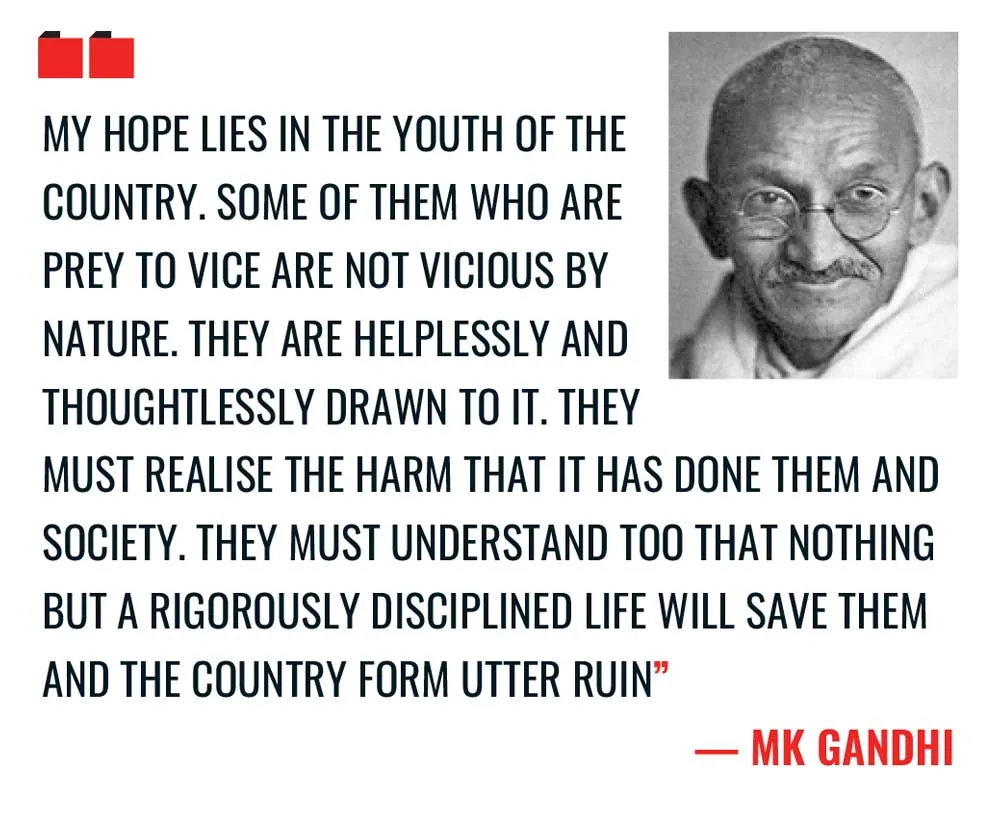
● Vivekananda’s Call: “Arise, awake, and stop not till the goal is reached.”1 This is an invitation to agency, responsibility, and national integration.
● The Alternative: Ideologies that focus on historical grievances and social friction, often leading to unrest that stalls the nation’s progress.
By choosing Vivekananda, the Indian youth has effectively rejected the politics of “Tukde-Tukde” (fragmentation) in favour of Aatmanirbhar Bharat (self-reliance). They have realised that true revolution is not found in burning tires on a highway, but in building startups, mastering AI, and reviving the cultural roots that once made India the Vishwaguru.
Why the Youth Rejects Social Unrest
There is a growing realisation among the 600 million young people in India: Social unrest is a luxury of the stagnant. For a nation on the move, chaos is a regressive tax. The shift away from radicalism toward “Vivekananda-ism” is backed by a pragmatic desire for a “New India.” The youth are no longer interested in being foot soldiers for ideologies that offer no roadmap for the future. They see the results of unrest as lost academic years, destroyed infrastructure, and a tarnished national image and they are choosing a different path.
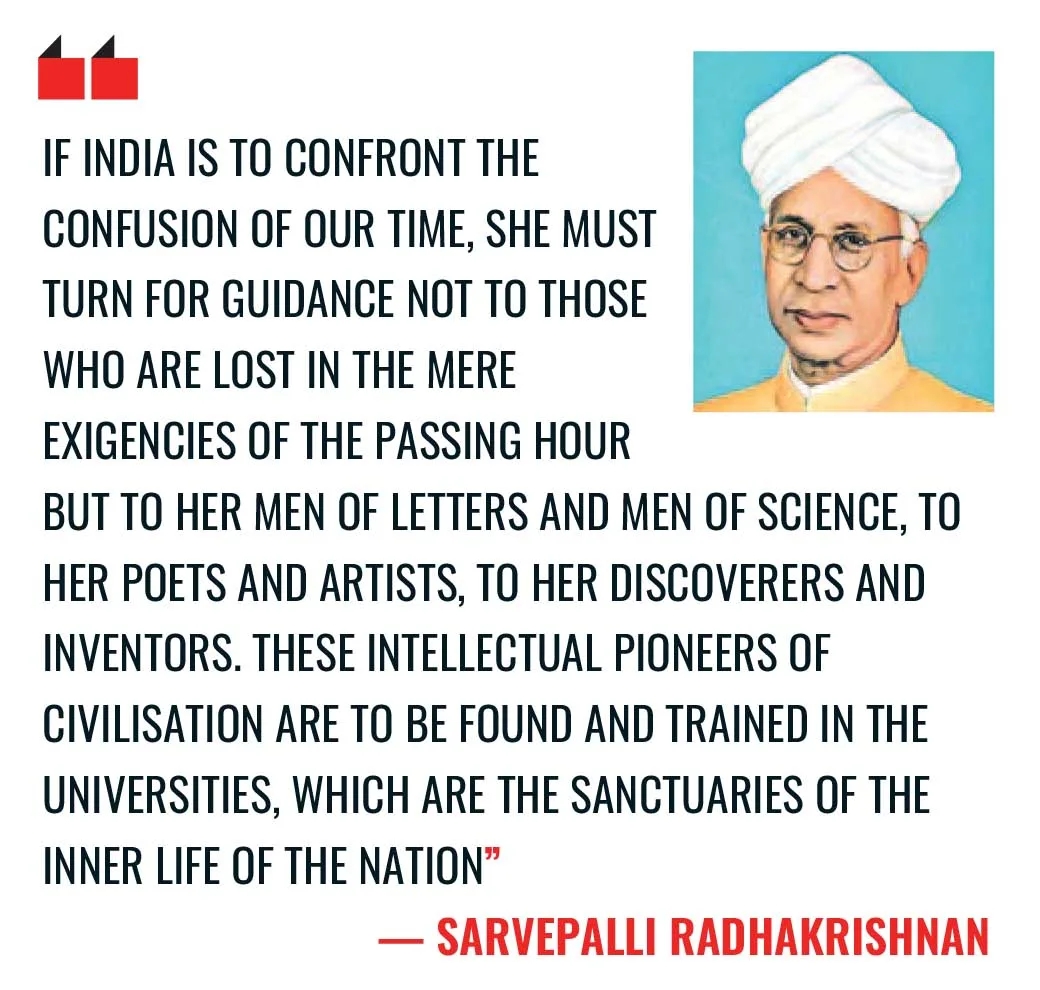
The “Vivekananda Filter”
Today’s youth applies a filter to the information they consume:
1. Does this unite or divide?
2. Does this build or break?
3. Is this for the nation or a narrow identity?
This ideological shift has ensured that despite numerous attempts to incite large-scale social disruption, the average Indian student is more focused on the G20 vision, digital transformation, and sustainable development. There is a tired trope that radicalism is the byproduct of high intellect, that to be an “IITian” or a “scholar” is to naturally be a dissenter of the state. I stand as a living rebuttal to that myth.
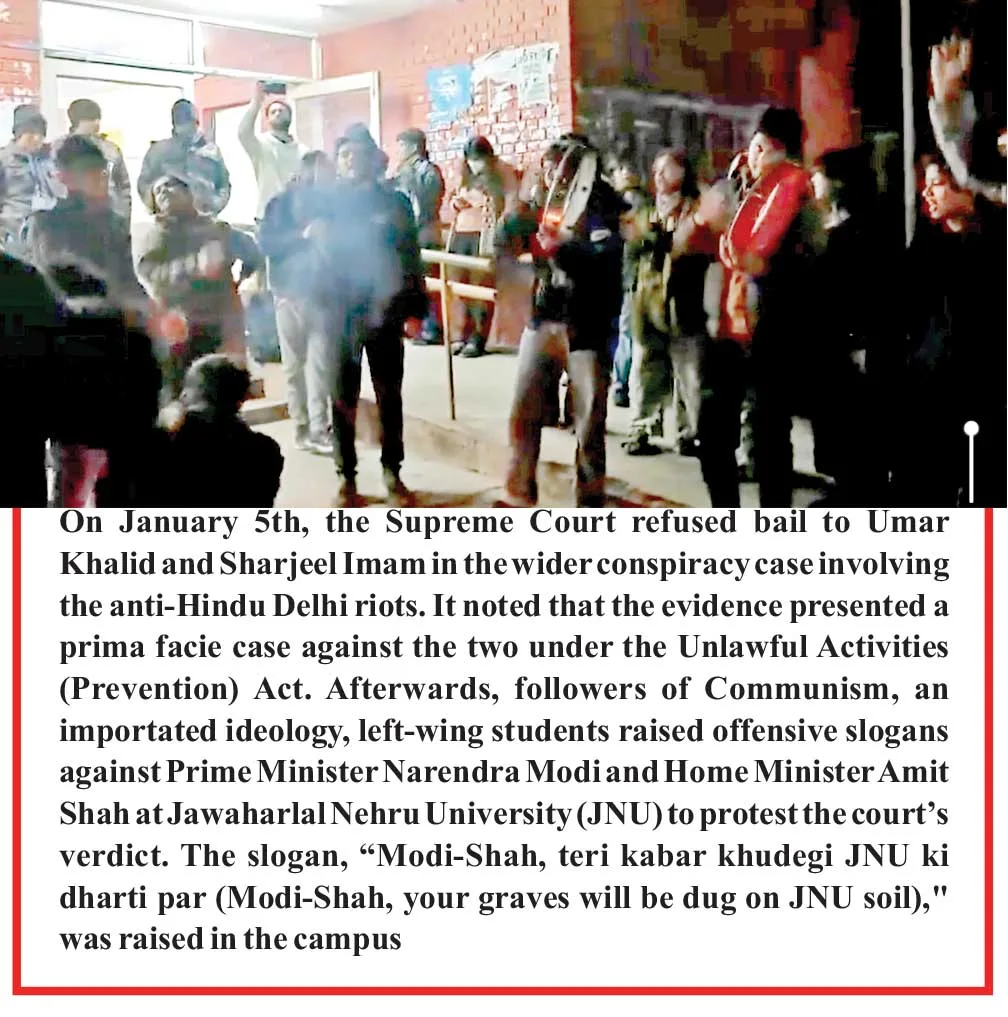
As someone who navigates the rigorous corridors of the IITs and the historic halls of Oxford, I know that true intellectualism is not about how well you can criticize, but how effectively you can construct. Sharjeel Imam may have held an IIT degree, but so do the thousands of young engineers currently building India’s SaaS revolution, leading our Space-Tech startups, and designing the Digital Public Infrastructure that the rest of the world is now envious of. For us, the “Oxonian” or “IITian” identity is not a license for subversion; it is a mandate
for service. We recognize that the energy spent on orchestrating a blockade is energy stolen from solving India’s water crisis, its energy needs, or its educational gaps. Our “uprising” is happening in labs, boardrooms, and rural cooperatives, not in the smoke of burning tires.
The enduring appeal of Swami Vivekananda lies in his relatability. He was a young man who struggled with doubt, who faced poverty, and who travelled the world with nothing but a saffron robe and a conviction in his motherland. To a young Indian in 2026, Vivekananda is not a distant deity; he is a mentor. He tells them that it is okay to be strong, it is okay to be proud of one’s faith, and it is essential to be compassionate.3 By following him, the youth find a sense of belonging that radical ideologies can never provide. Radicalism offers the temporary “high” of anger; Vivekananda offers the permanent “peace” of purpose.
The Dawn of the Amrit Kaal
As we celebrate Vivekananda Jayanti, we see a Bharat that is confident because its youth is grounded. By choosing icons who represent character over chaos and patriotism over protest, the Indian youth has secured the nation’s future. The “unrest” that some hoped would consume India has been extinguished by the fire of ambition and the light of Vedantic wisdom. We are witnessing the rise of a generation that carries a laptop in one hand and the values of the Gita in the other, a generation that is truly the architect of Viksit Bharat.
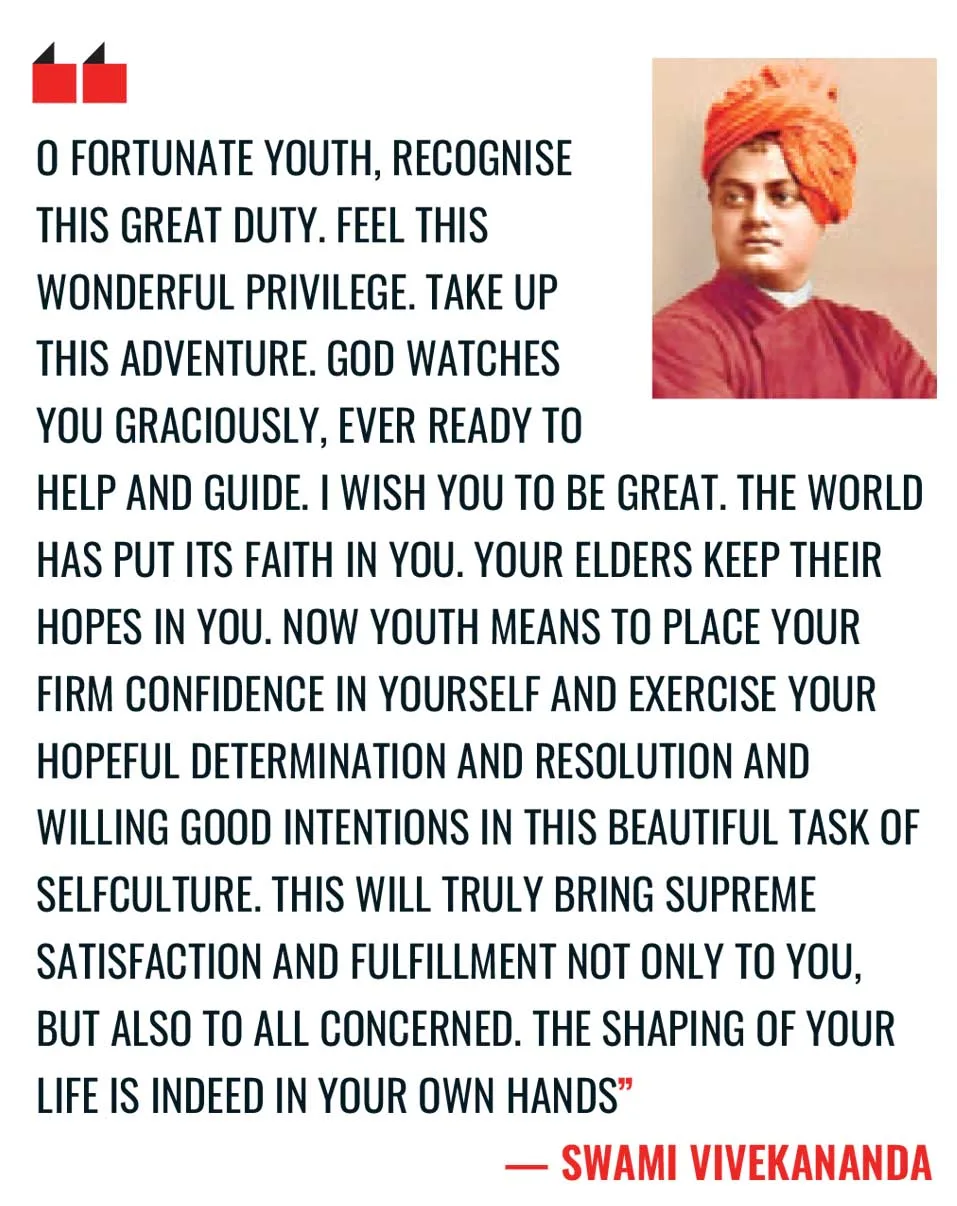
Swami Vivekananda once said, “This is the time to decide your future while the energy of youth is still in you.” India’s youth have made their decision. They have chosen the monk over the militant, the builder over the breaker, and Bharat over everything else.