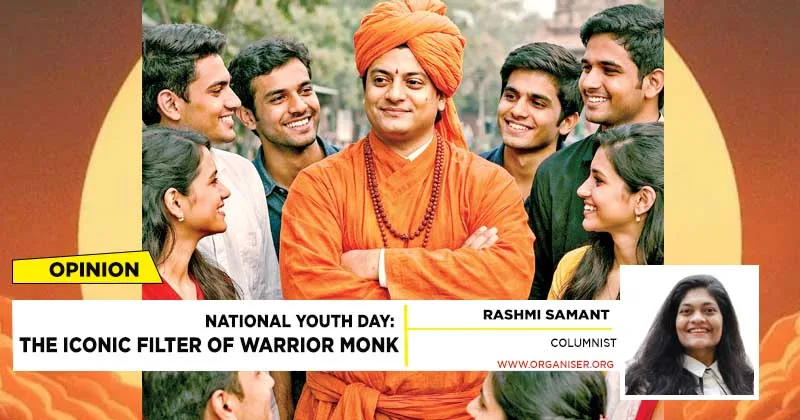
National Youth Day: The iconic filter of Warrior Monk
June 25, 2026
  • Read Ecopy
  • Circulation
  • Advertise
  • Careers
  • About Us
  • Contact Us
Android AppiPhone AppArattai
Organiser
  • ‌
  • Bharat
    • Assam
    • Bihar
    • Chhattisgarh
    • Jharkhand
    • Maharashtra
    • View All States
  • World
    • Asia
    • Europe
    • North America
    • South America
    • Africa
    • Australia
  • Editorial
  • International
  • Opinion
  • RSS @ 100
  • More
    • Op Sindoor
    • Analysis
    • Sports
    • Defence
    • Politics
    • Business
    • Economy
    • Culture
    • Special Report
    • Sci & Tech
    • Entertainment
    • G20
    • Azadi Ka Amrit Mahotsav
    • Vocal4Local
    • Web Stories
    • Education
    • Employment
    • Books
    • Interviews
    • Travel
    • Law
    • Health
    • Obituary
  • Subscribe
    • Subscribe Print Edition
    • Subscribe Ecopy
    • Read Ecopy
  • ‌
  • Bharat
    • Assam
    • Bihar
    • Chhattisgarh
    • Jharkhand
    • Maharashtra
    • View All States
  • World
    • Asia
    • Europe
    • North America
    • South America
    • Africa
    • Australia
  • Editorial
  • International
  • Opinion
  • RSS @ 100
  • More
    • Op Sindoor
    • Analysis
    • Sports
    • Defence
    • Politics
    • Business
    • Economy
    • Culture
    • Special Report
    • Sci & Tech
    • Entertainment
    • G20
    • Azadi Ka Amrit Mahotsav
    • Vocal4Local
    • Web Stories
    • Education
    • Employment
    • Books
    • Interviews
    • Travel
    • Law
    • Health
    • Obituary
  • Subscribe
    • Subscribe Print Edition
    • Subscribe Ecopy
    • Read Ecopy
Organiser
  • Home
  • Bharat
  • World
  • Operation Sindoor
  • Editorial
  • Analysis
  • Opinion
  • Culture
  • Defence
  • International Edition
  • RSS @ 100
  • Magazine
  • Read Ecopy
Home Bharat

National Youth Day: The iconic filter of Warrior Monk

By choosing Swami Vivekananda, who showed Bharat the path to become resilient & rejecting Umar Khalid or Sharjeel Imam, Bharatiya youth has rejected Tukde-Tukde gang. They are not burning tires on highways, but building startups, mastering AI & reviving cultural roots so that Bharat again becomes Vishwaguru

Rashmi SamantRashmi Samant
Jan 11, 2026, 07:00 pm IST
in Bharat, Opinion
Follow on Google News
FacebookTwitterWhatsAppTelegramEmail

As the sun rises on January 12th, the birth anniversary of Swami Vivekananda, celebrated across the nation as National Youth Day, India finds itself at a civilisational crossroads. The strength of a nation is often measured by its GDP or its military prowess, but its true endurance lies in the icons its youth chooses to emulate.

Icons are more than mere historical figures; they are the psychological blueprints of a generation. Today, the Indian youth is making a conscious, ideological choice: a choice between the path of unification and construction represented by Vivekananda, and the path of fragmentation and unrest represented by divisive ideologies.
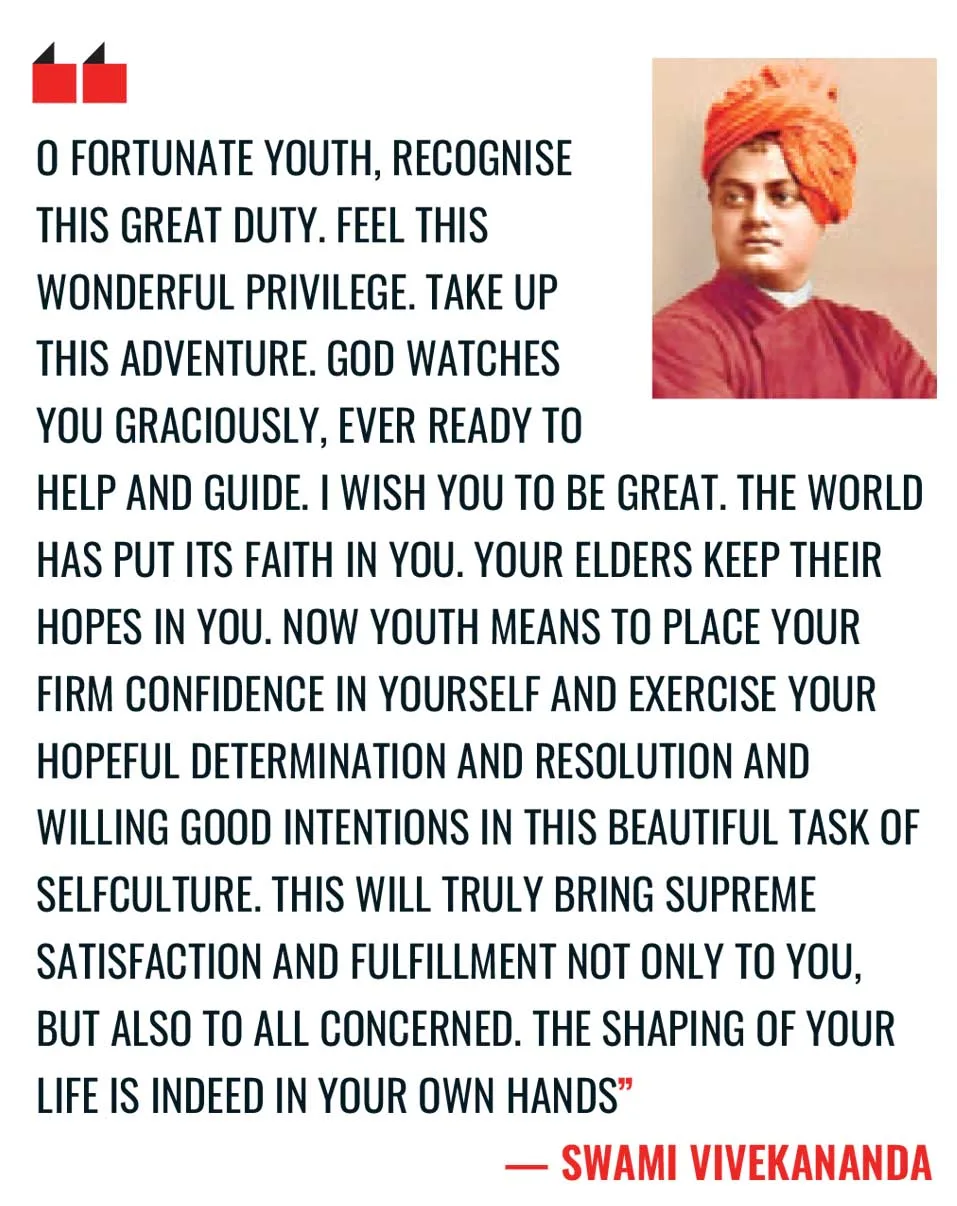
Over the past two years, we have witnessed a “Gen Z Spring” in our neighbourhood. From the “student-led” movement in Bangladesh that toppled a democratic regime, to the fierce Nepalese Gen Z uprising against censorship and corruption, the world has watched young people take to the streets for better or worse. In the wake of these events, global commentators and internal critics alike have asked: Why is the world’s largest youth population—India’s Gen Z—not doing the same?
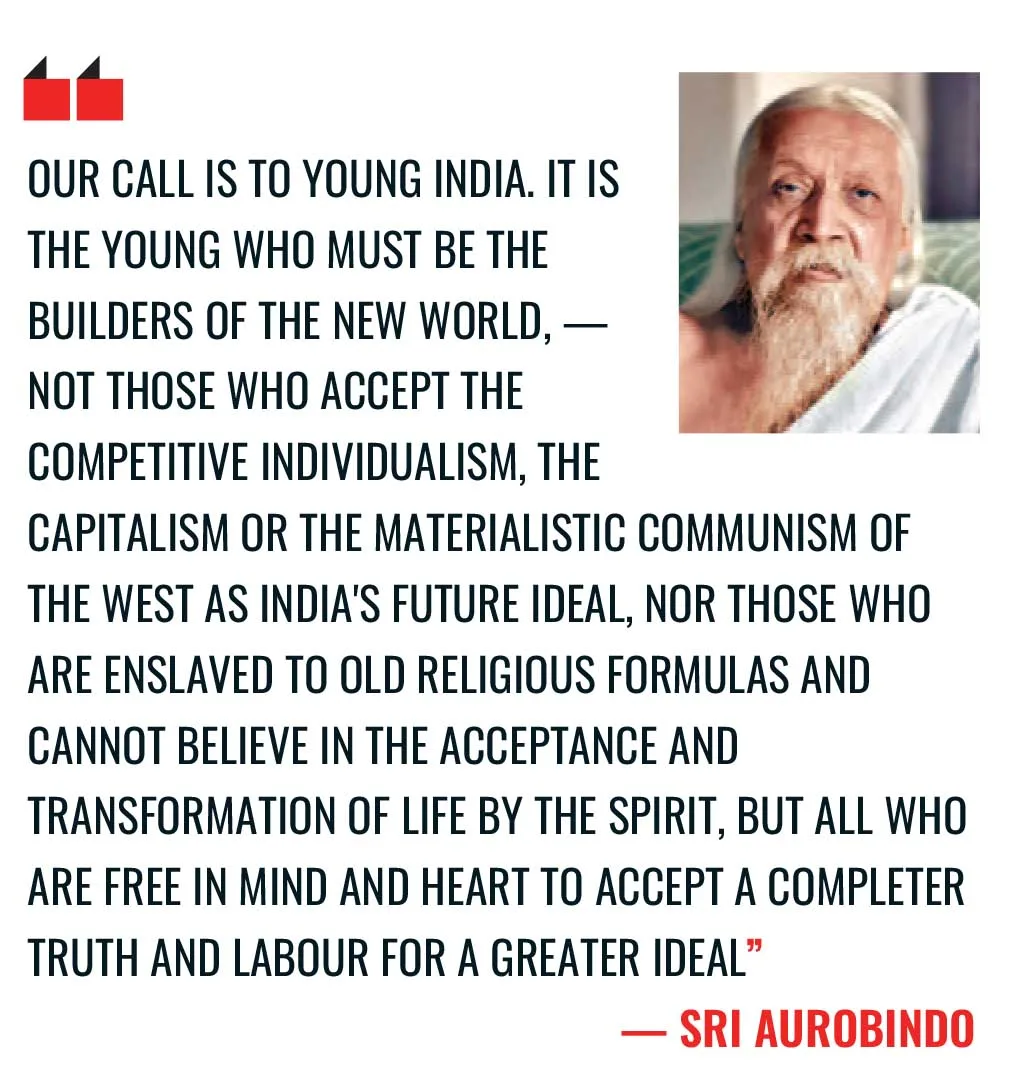
The answer is not found in apathy or silence. It is found in a conscious, ideological choice. While our neighbours have been busy taking to the streets to “break” systems, the Indian youth is channeling its energy to build. The difference lies in the icons we choose to follow.

Power of Right Icon: Construction vs. Chaos

The choice of an icon dictates the trajectory of a young mind’s energy. When a youth looks toward Swami Vivekananda, they see a man who harmonised ancient spiritual depth of India with the modern necessity of scientific progress. He did not call for the dismantling of the state, but for the awakening of the self to serve the state. In contrast, figures like Sharjeel Imam represent a radical departure from this constructive ethos. Where Vivekananda spoke of Daridra Narayana (serving God through the poor), divisive ideologies often speak the language of “breaking,” “cutting,” and “alienating.”
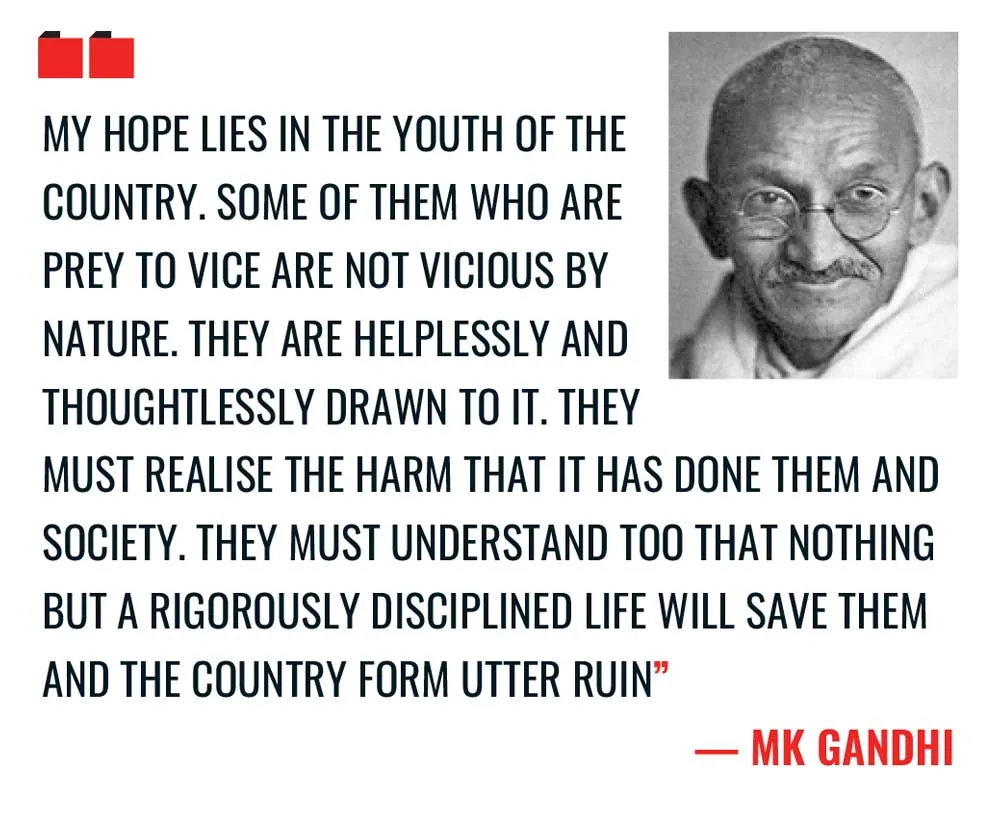
● Vivekananda’s Call: “Arise, awake, and stop not till the goal is reached.”1 This is an invitation to agency, responsibility, and national integration.
● The Alternative: Ideologies that focus on historical grievances and social friction, often leading to unrest that stalls the nation’s progress.

By choosing Vivekananda, the Indian youth has effectively rejected the politics of “Tukde-Tukde” (fragmentation) in favour of Aatmanirbhar Bharat (self-reliance). They have realised that true revolution is not found in burning tires on a highway, but in building startups, mastering AI, and reviving the cultural roots that once made India the Vishwaguru.

Why the Youth Rejects Social Unrest

There is a growing realisation among the 600 million young people in India: Social unrest is a luxury of the stagnant. For a nation on the move, chaos is a regressive tax. The shift away from radicalism toward “Vivekananda-ism” is backed by a pragmatic desire for a “New India.” The youth are no longer interested in being foot soldiers for ideologies that offer no roadmap for the future. They see the results of unrest as lost academic years, destroyed infrastructure, and a tarnished national image and they are choosing a different path.
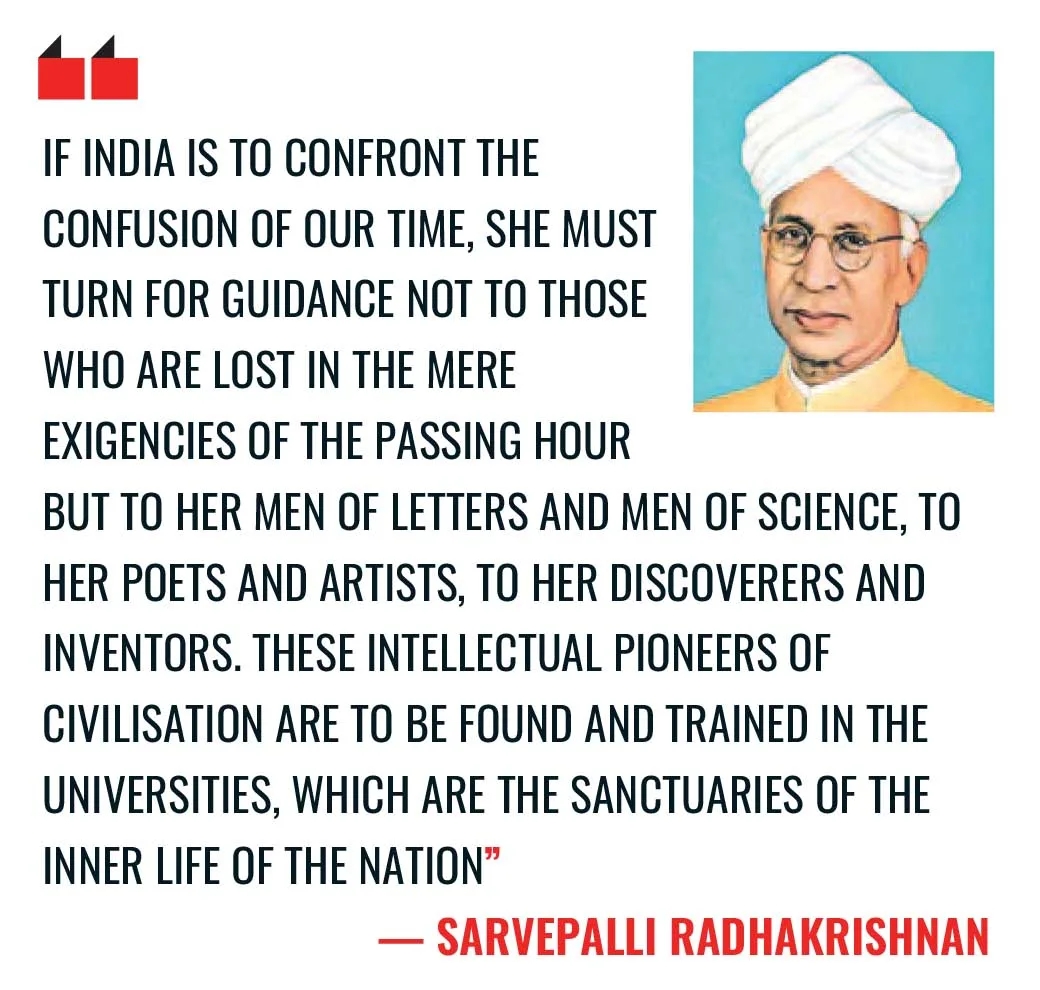
The “Vivekananda Filter”

Today’s youth applies a filter to the information they consume:
1. Does this unite or divide?
2. Does this build or break?
3. Is this for the nation or a narrow identity?

This ideological shift has ensured that despite numerous attempts to incite large-scale social disruption, the average Indian student is more focused on the G20 vision, digital transformation, and sustainable development. There is a tired trope that radicalism is the byproduct of high intellect, that to be an “IITian” or a “scholar” is to  naturally be a dissenter of the state. I stand as a living rebuttal to that myth.
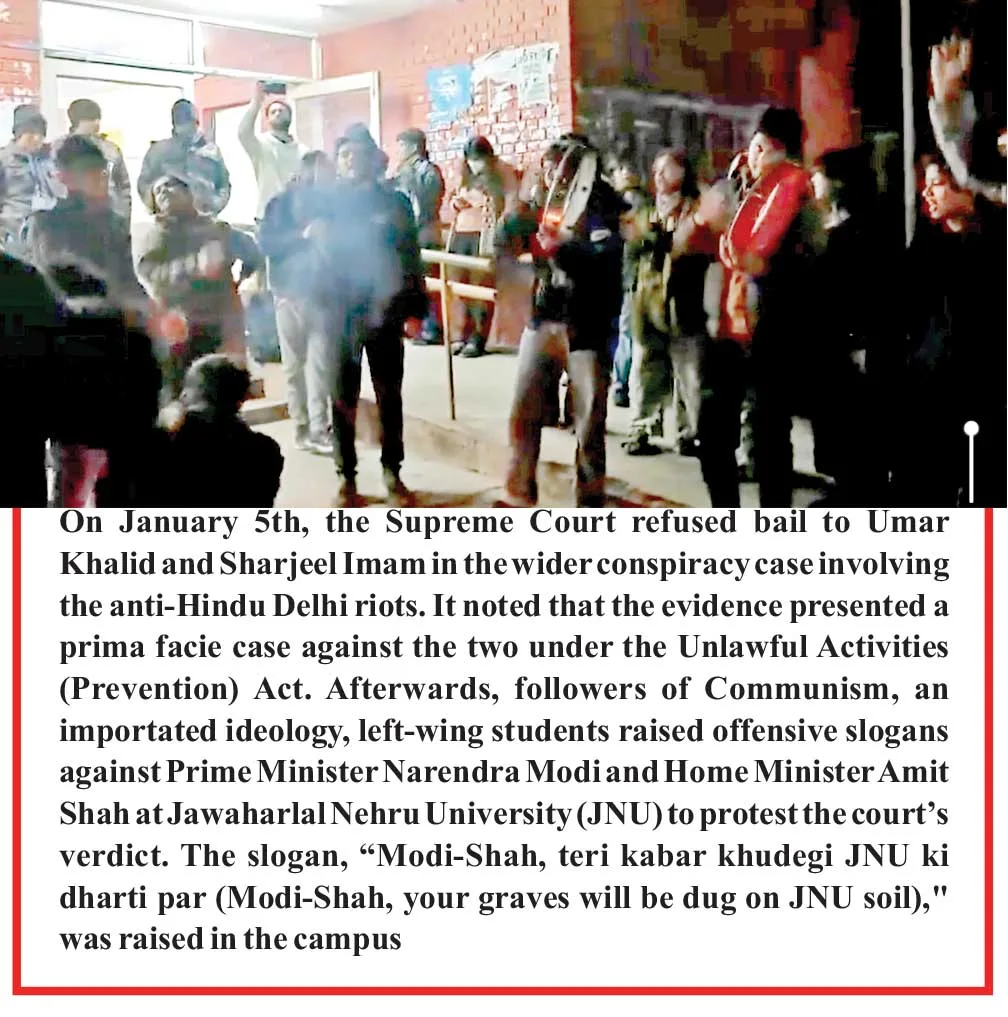
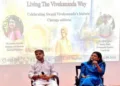
As someone who navigates the rigorous corridors of the IITs and the historic halls of Oxford, I know that true intellectualism is not about how well you can criticize, but how effectively you can construct. Sharjeel Imam may have held an IIT degree, but so do the thousands of young engineers currently building India’s SaaS revolution, leading our Space-Tech startups, and designing the Digital Public Infrastructure that the rest of the world is now  envious of. For us, the “Oxonian” or “IITian” identity is not a license for subversion; it is a mandate
for service. We recognize that the energy spent on orchestrating a blockade is energy stolen from solving India’s water crisis, its energy needs, or its educational gaps. Our “uprising” is happening in labs, boardrooms, and rural cooperatives, not in the smoke of burning tires.
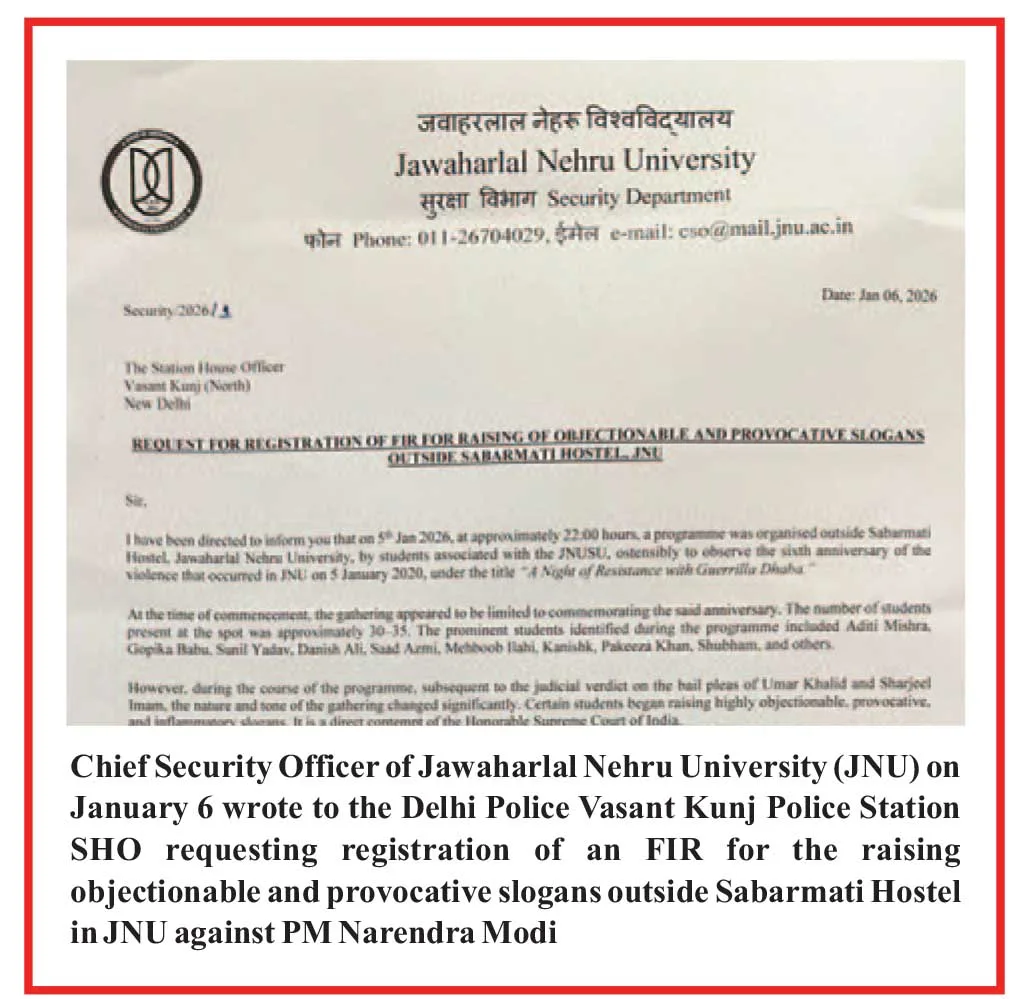
The enduring appeal of Swami Vivekananda lies in his relatability. He was a young man who struggled with doubt, who faced poverty, and who travelled the world with nothing but a saffron robe and a conviction in his motherland. To a young Indian in 2026, Vivekananda is not a distant deity; he is a mentor. He tells them that it is okay to be strong, it is okay to be proud of one’s faith, and it is essential to be compassionate.3 By following him, the youth find a sense of belonging that radical ideologies can never provide. Radicalism offers the temporary “high” of anger; Vivekananda offers the permanent “peace” of purpose.
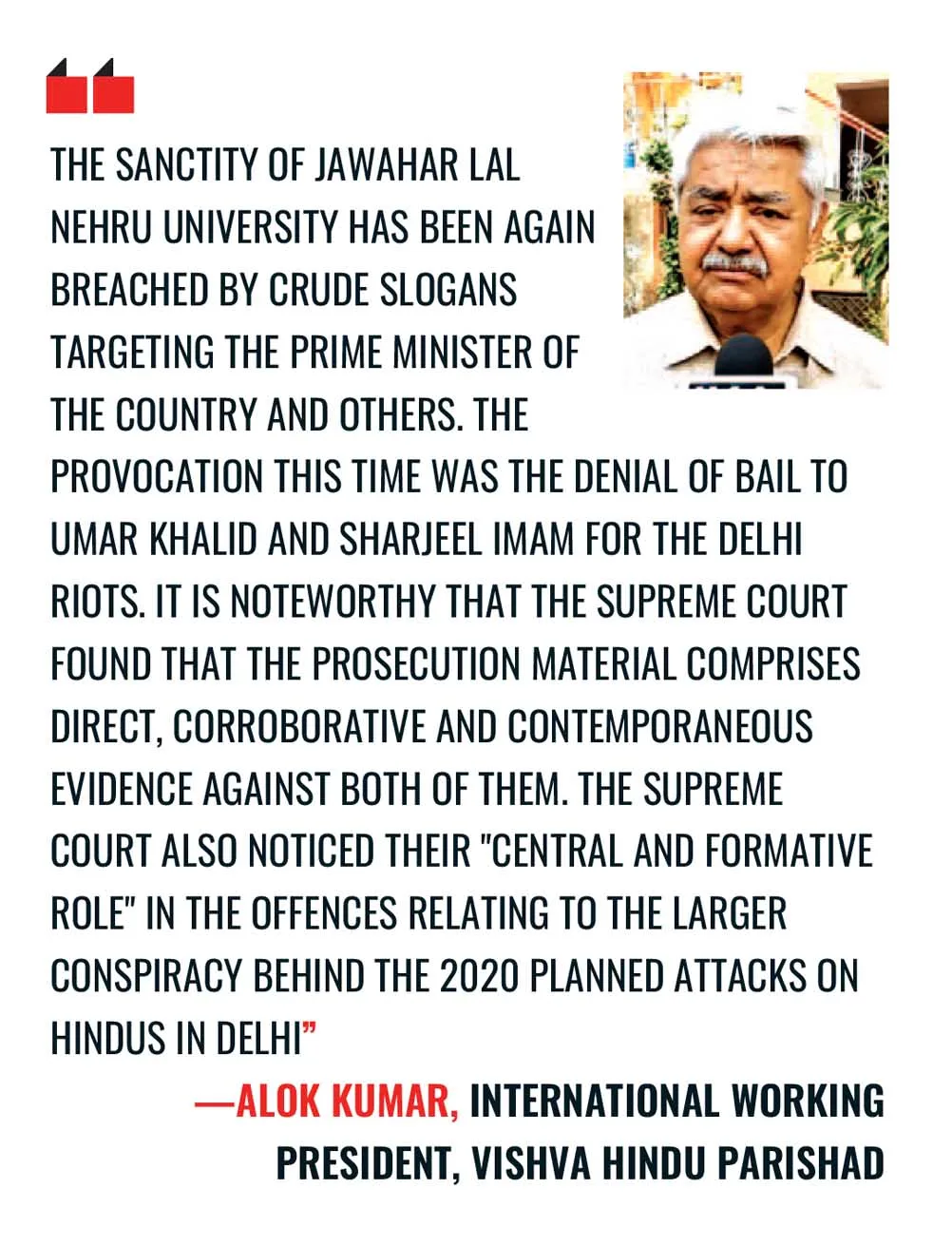
The Dawn of the Amrit Kaal

As we celebrate Vivekananda Jayanti, we see a Bharat that is confident because its youth is grounded. By choosing icons who represent character over chaos and patriotism over protest, the Indian youth has secured the nation’s future. The “unrest” that some hoped would consume India has been extinguished by the fire of ambition and the light of Vedantic wisdom. We are witnessing the rise of a generation that carries a laptop in one hand and the values of the Gita in the other, a generation that is truly the architect of Viksit Bharat.

Swami Vivekananda once said, “This is the time to decide your future while the energy of youth is still in you.” India’s youth have made their decision. They have chosen the monk over the militant, the builder over the breaker, and Bharat over everything else.


Topics: Swami VivekanandaAmrit Kaalindian youthNational Youth dayVivekananda FilterG20 visionVivekananda’s CallIndia’s Gen Z
Rashmi Samant
Rashmi Samant
Columnist [Read more]
ShareTweetSendShareSend
✮ Subscribe Organiser YouTube Channel. ✮
✮ Join Organiser's WhatsApp channel for Nationalist views beyond the news. ✮
Previous News

Iran unrest deepens as Khamenei blames US and Washington warns of intervention

Next News

1,000 Years of Somnath Mandir Attack: Symbol of Eternity

Related News

United States: Life-size statue of Swami Vivekananda unveiled in Chicago; Resonates the message of service & harmony

From Red to Saffron in Naxalbari: Changing Colour of the Maoist Epicentre

RSS Sarkaryavah’s tour to the west: The enriching outreach

Facebook post shared by Pallikkonam Rajeev (courtesy: Facebook) dated on April 24. (Left Side)

Kerala: Derogatory FB Post on Swami Vivekananda, Yogi Adityanath; Complaint Filed in UP Seeking Strict Action

Akhil Bharatiya Karyakarini Sadasya of the RSS, Suresh Soni ji

The thought of Hindutva can guide not only Bharat but the entire world toward welfare”: Suresh Soni

Statue of Swami Vivekananda unvieled in Seattle, United States

United States: Swami Vivekananda statue unveiled in Seattle: Signifies India’s cultural diplomacy & soft power

Load More

Latest News

Ghar Wapsi in Khandwa: Azad Pathan after embracing Sanatan Dharma at Mahadevgarh temple becomes Ajay Kashyap

RSS struggle to defend the Constitution during the Emergency

Samvidhan Hatya Diwas: Revisiting RSS’s role in defending India’s Constitution & democratic freedoms during 1975-77

Fresh plea in Odisha High Court seeks CBI probe into Swami Laxmanananda murder case amid missing Naidu Commission report

Swami Laxmanananda Murder Case: Fresh plea in Odisha HC cites missing Naidu Commission report, seeks CBI inquiry

For the first time, NCERT adds Emergency to class 9 curriculum, highlights suspension of rights and democratic struggles

NCERT includes Emergency chapter in class 9 textbook, describes 1975-77 period as a major challenge to Indian democracy

Delhi HC adjourns Jawad Siddiqui’s plea seeking 6-week interim bail

Al-Falah Trust Case: ED opposes interim bail for chairman Jawad Ahmad, cites risk of concealing Rs 493 cr proceeds

Twin earthquakes devastate Venezuela

Venezuela Earthquake 2026: Powerful 7.5 & 7.2 magnitude tremors leave the country in ruins; State of emergency declared

Pakistan’s Defence Minister, Khawaja Muhammad Asif

Pakistan Defence Minister Khwaja Asif sparks fury in POJK, labels Mirpuris &  Rawalakot residents ‘Non-Kashmiris’

Sunil Ambekar (Akhil Bharatiya Prachar Pramukh Rashtriya Swayamsevak Sangh addressing the gathering in Patna

The Emergency taught us that a vigilant society is essential to protect democracy: Sunil Ambekar ji

Punjab Moga Massacre 1989: When Khalistani terrorists turned an RSS shakha into a killing field

From sovereign satellite networks to human spaceflight, India is building the foundations of a globally competitive space power

India eyes a $45 billion space economy by 2033: AnanthSat-1’s 2029 launch heralds the private satellite age

Load More
  • Privacy
  • Terms
  • Cookie Policy
  • Refund and Cancellation
  • Delivery and Shipping

© Bharat Prakashan (Delhi) Limited.
Tech-enabled by Ananthapuri Technologies

  • Home
  • Search Organiser
  • Bharat
    • Assam
    • Bihar
    • Chhattisgarh
    • Jharkhand
    • Maharashtra
    • View All States
  • World
    • Asia
    • Africa
    • North America
    • South America
    • Europe
    • Australia
  • Editorial
  • Operation Sindoor
  • Opinion
  • Analysis
  • Defence
  • Culture
  • Sports
  • Business
  • RSS @ 100
  • Entertainment
  • More ..
    • Sci & Tech
    • Vocal4Local
    • Special Report
    • Education
    • Employment
    • Books
    • Interviews
    • Travel
    • Health
    • Politics
    • Law
    • Economy
    • Obituary
  • Subscribe Magazine
  • Read Ecopy
  • Advertise
  • Circulation
  • Careers
  • About Us
  • Contact Us
  • Policies & Terms
    • Privacy Policy
    • Cookie Policy
    • Refund and Cancellation
    • Terms of Use

© Bharat Prakashan (Delhi) Limited.
Tech-enabled by Ananthapuri Technologies