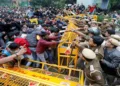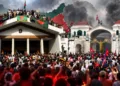




Mass protests are often presented as a means of bringing political change and demanding accountability. However, their economic consequences can extend well beyond the immediate political crisis. Prolonged agitation, disruption of public services and institutional instability can leave ordinary citizens struggling with lost income, rising prices and fewer employment opportunities.
Drawing on the experiences of Sri Lanka, Bangladesh and Nepal against treating political upheaval as a guaranteed path to democratic or economic improvement. The costs of instability are often borne by workers, small traders, daily-wage earners and middle-class households, even after the immediate political confrontation has ended.
Sri Lanka, Bangladesh and Nepal: Lessons from unrest
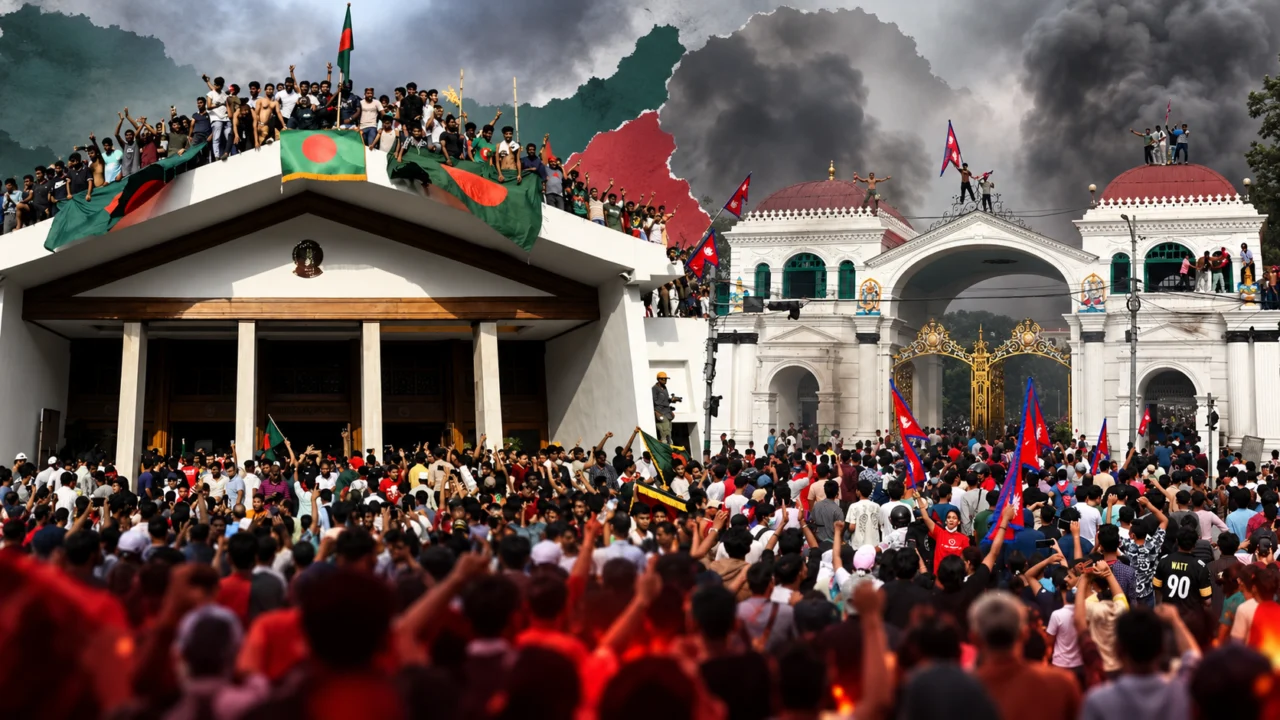
Sri Lanka’s Aragalaya movement culminated in the departure of President Gotabaya Rajapaksa in 2022, amid a severe economic crisis. Although the country has since made progress towards macroeconomic recovery under an International Monetary Fund-supported programme, the commentary points to continuing poverty and household financial pressures as reminders of the crisis’s long-term impact.
In Bangladesh, student-led protests over government job quotas in 2024 expanded into a wider anti-government movement that led to the fall of Sheikh Hasina’s government. Nalawade argues that the political transition did not automatically resolve the country’s economic difficulties, with inflation, industrial disruption and employment concerns continuing to affect ordinary people.
Nepal’s political turbulence has also be to put into question whether changes in government necessarily translate into lasting institutional or economic reform. Political leaders and influential groups can often adapt to changing circumstances, while citizens remain exposed to uncertainty and economic hardship.
Ordinary citizens bear the cost
There is vulnerability among people whose livelihoods depend on the uninterrupted movement of goods, functioning markets and stable employment. Prolonged road blockades can affect truck drivers and transport workers, while market closures and industrial disruptions can hurt small businesses, vendors and wage earners.
Economic instability can also reduce household purchasing power. When prices rise faster than wages, families face greater difficulty meeting basic expenses. For middle-class households, inflation can erode savings, while workers in vulnerable sectors may face reduced hours or job losses.
The political organisers and influential figures may be better placed to withstand these disruptions than the people who participate in, or are affected by, prolonged unrest.
India’s warning against prolonged disruption
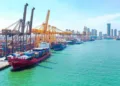
Notably, India could face serious economic consequences if political mobilisation develops into sustained disruption of institutions, manufacturing centres and transport networks. It argues that political campaigns framed around constitutional protection and accountability should also be judged by their methods and their potential consequences for the wider public.
It is important to ask whether calls for nationwide agitation adequately account for the impact on small businesses, daily-wage workers, supply chains and investor confidence. It urges citizens to consider the economic consequences of prolonged unrest alongside the political demands being advanced.
The central argument is that democratic accountability and political reform should not be confused with disorder. Notably, India’s long-term strength depends on preserving institutional stability while allowing democratic debate and peaceful protest.