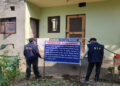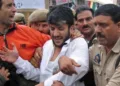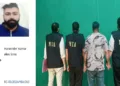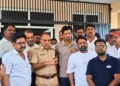
The seizure of a huge consignment of explosives in Malappuram has taken a serious turn, with reports now suggesting that the explosives material seized in February 2026 may have been intended to target the Mahamaghamahotsavam (Kerala’s Kumbh Mela) at Thirunavaya, potentially triggering a grave communal riot. The development comes amid the National Investigation Agency’s (NIA) arrest of Haris T.A., described as a key conspirator in the case, whose interrogation is reportedly providing vital leads into the larger conspiracy.
The arrested Haris is described as a key conspirator in the case and was allegedly involved in the illegal procurement of the explosives seized in the case. Reports suggest that the NIA has obtained vital information from him. With his arrest, the total number of arrests in the case has risen to ten.
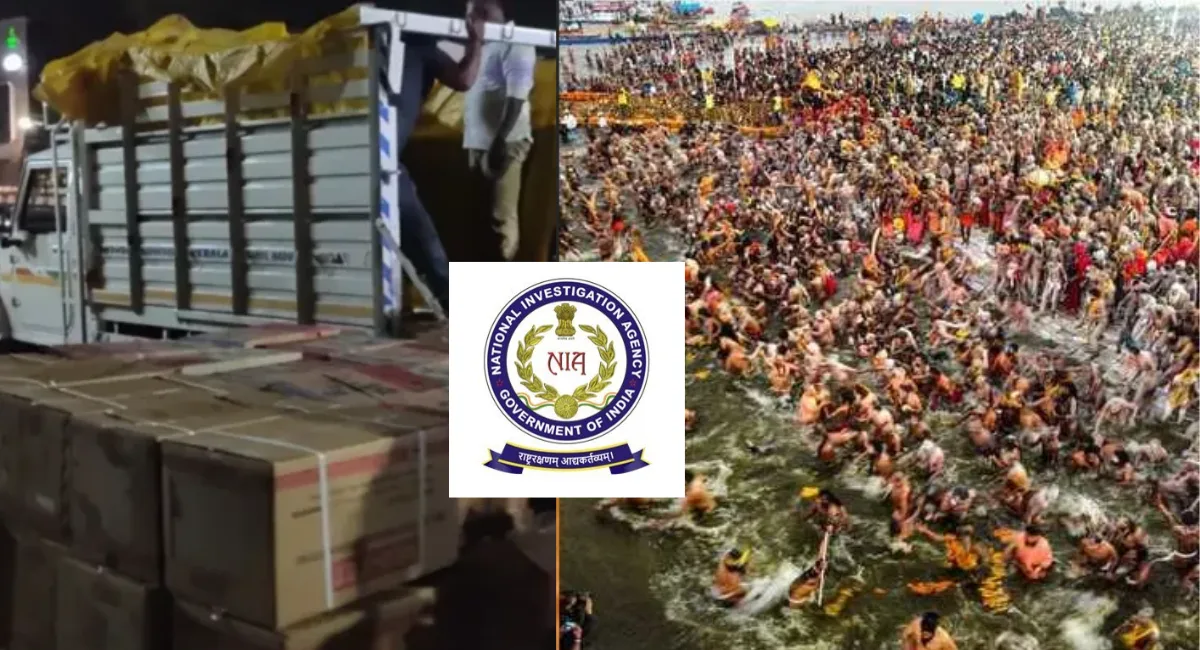
The case relates to the seizure of 89,600 explosive sticks and 10,500 shock tubes (NONEL) from a lorry parked in the compound of Farha Hollow Bricks Company on the Chemmad-Thalappara Road in Malappuram on February 7, 2026.
The lorry, bearing registration number KL 10 BF 8395, was intercepted by the Kerala Police, which arrested three persons found in connection with the consignment. The accused did not possess valid licences or permissions for transporting or possessing the explosives.
KEY CONSPIRATOR IN MALAPPURAM ILLEGAL EXPLOSIVES CASE NABBED pic.twitter.com/LJbHgdzLSR
— NIA India (@NIA_India) August 9, 2026
The NIA subsequently re-registered the case and took over the investigation. During the course of its probe, the agency conducted searches at 19 locations across Kerala, Karnataka and Tamil Nadu, leading to the collection of incriminating material and the identification of additional persons involved in the conspiracy.
The latest arrest of Haris came a day after the NIA arrested three more accused from Vijayapura in Karnataka on August 7. Ten persons have so far been arrested in the case.
According to reports, the investigation has found that the explosives were brought to Kerala with documents allegedly organised in the names of fake companies.
The NIA is now trying to establish the intention behind bringing such a huge quantity of explosives to Kerala, besides tracing the financial sources behind their procurement and movement.
Explosives seized during Mahamaghamahotsavam period
The seizure has now assumed greater significance in view of reports suggesting a possible connection with the Mahamaghamahotsavam at Thirunavaya. The festival was celebrated during January and February 2026 and continued for more than 30 days.
According to reports, one line of inquiry is whether the explosives were intended to be used for carrying out a large-scale blast during the Mahamaghamahotsavam and subsequently trigger a grave communal riot.
The Mahamaghamahotsavam at Thirunavaya revived the ancient Mamankam tradition on the banks of the Bharathapuzha River after nearly 270 years. It was termed “Kerala’s Kumbh Mela”, with the spiritual and cultural gathering drawing approximately 50 lakh pilgrims.
This month-long Mela had a great influence on the Hindus of Keralam, as it reconnected them with their traditional roots. It was welcomed on a massive scale, with the number of participants exceeding initial estimates.
The possibility of a conspiracy targeting such a large religious gathering has therefore raised serious concerns in Kerala. However, the investigation is continuing, and the NIA is yet to publicly establish the specific intended target or motive behind the explosives consignment.
Salient Features of the Mahamaghamahotsavam
Nila Aarti: Performed every evening by priests from Varanasi. It brought the traditional practice of river worship from Kashi to the banks of the Bharathapuzha.
Amrita Snanam: A sacred holy bath undertaken by sadhus, ascetics and thousands of devotees on the concluding auspicious day.
Vedic Rituals & Yajnas: Daily morning homams, Upanishadic discourses and ancestral rites (Pitru Yajna) were performed under monastic guidance.
Role of Juna Akhada Leadership: The Ulsav was headed by senior monastic leaders, including Mahamandaleshwar Swami Anandavanam Bharati of the Sri Juna Akhada.
Inclusive Tribal & Local Worship: The festival showcased rare traditional rituals of local and marginalised communities, including the Muthanum Muthikkum pooja and distinct forms of tribal deity worship.
Mass Annadanam: Large-scale food and service offerings (Prasadam) were organised to feed tens of thousands of pilgrims every day.
The NIA is continuing its probe into the larger conspiracy, including the illegal procurement and movement of the explosives, the financial sources involved and the purpose for which the consignment was brought to Kerala.