India’s organised retail real estate market continued its strong growth momentum during the first half of 2026, with gross leasing increasing 20 per cent year-on-year to approximately 3.9 million square feet, reflecting sustained expansion by retailers despite inflationary pressures and global geopolitical uncertainties. The findings were released in a report by global real estate consultancy CBRE, which attributed the growth to rising demand from fashion, apparel, entertainment and experience-driven retail formats.
The report indicates that retailers remain optimistic about India’s consumption story, with both domestic and international brands continuing to expand their physical store networks across metropolitan cities as well as emerging Tier-II markets.
Fashion and Apparel Dominate Leasing Activity
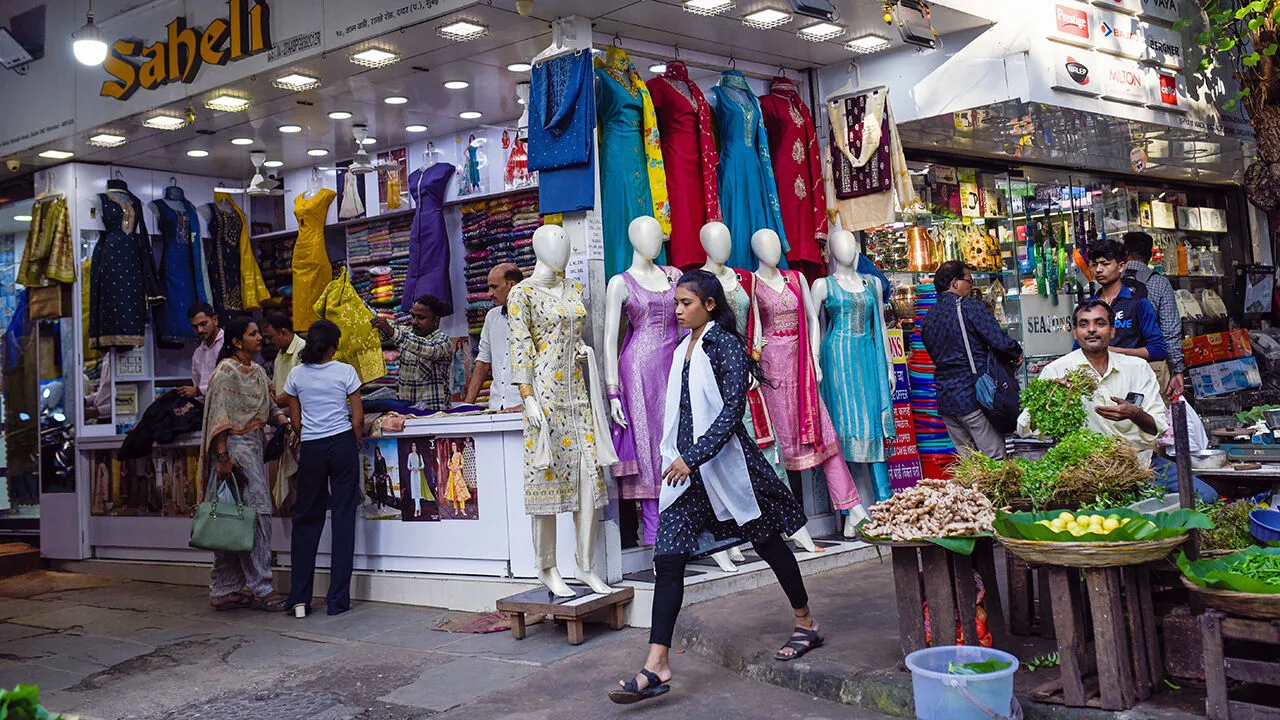
According to CBRE, the fashion and apparel segment remained the biggest contributor to retail leasing during the January-June 2026 period, accounting for around 40 per cent of total space absorption.
The category’s expansion was driven by the rapid growth of department stores, mid-market fashion labels and athleisure brands, reflecting changing consumer preferences and increasing demand for organised retail experiences.
The report noted that fashion brands continue to view India as a high-growth market, leading to aggressive expansion plans across shopping malls and high streets.
Food, Entertainment and Jewellery Follow
Apart from fashion, several other retail categories also witnessed healthy leasing activity.
The Food and Beverage (F&B) segment accounted for around 14 per cent of total leasing, highlighting the growing popularity of restaurants, cafés and food courts in organised retail spaces.
The Entertainment segment contributed 9 per cent, driven by multiplexes, family entertainment centres and other experiential formats that are increasingly becoming key attractions for shopping malls.
Meanwhile, Jewellery and Homeware & Furnishings each accounted for around 7 per cent of leasing activity, while Consumer Electronics contributed 6 per cent of the total leased space.
CBRE said the increasing emphasis on experience-led retail is encouraging developers to diversify tenant mixes and attract a broader range of brands.
Retail Expansion Continues Despite Economic Challenges
The report observed that organised retail maintained strong leasing momentum despite persistent inflationary pressures and geopolitical uncertainties affecting global markets.
Retailers continued to expand their presence as India’s growing consumer base, rising disposable incomes and favourable demographics supported long-term business confidence.
CBRE expects this momentum to continue over the coming years, supported by a healthy pipeline of Grade A retail developments across major cities.
The consultancy also highlighted that infrastructure projects such as expanding metro rail networks, new expressways and ring roads are expected to improve connectivity, increase footfalls and enlarge the catchment areas of organised retail developments.
Delhi-NCR Adds New Retail Supply
During the first six months of 2026, approximately 0.9 million square feet of new retail space became operational across the country.
Interestingly, Delhi-NCR accounted for the entire new supply during the January-June period, reinforcing its position as one of India’s most active organised retail markets.
The availability of high-quality retail spaces is expected to support further expansion by national and international brands looking to establish a presence in premium shopping destinations.
Tier-II Cities Emerge as Growth Drivers
One of the key trends highlighted in the report is the rapid expansion of organised retail into Tier-II cities.
Fashion and apparel retailers have increasingly shifted their focus beyond metropolitan markets to tap rising consumption in smaller cities.
The segment accounted for around 69 per cent of leasing activity in Chandigarh and Jaipur, while contributing approximately 65 per cent of total leasing in Kochi.
According to CBRE, this trend reflects the growing purchasing power of consumers in emerging urban centres and the increasing preference for organised retail formats outside traditional metropolitan markets.
Domestic Retailers Continue to Lead
Indian brands remained the biggest drivers of retail leasing during the first half of 2026.
The report found that domestic retailers accounted for more than 70 per cent of total leasing activity, underscoring the strength of homegrown brands in India’s rapidly evolving retail landscape.
At the same time, direct-to-consumer (D2C) brands continued expanding their offline presence after establishing themselves online.
According to CBRE, D2C brands contributed around 28 per cent of overall leasing activity, highlighting a growing trend where digital-first companies are opening physical stores to strengthen customer engagement and improve brand visibility.
Positive Outlook for Organised Retail
CBRE expects India’s organised retail sector to maintain its growth trajectory in the coming years, supported by continued institutional investments, modern retail infrastructure and rising consumer demand.
The report said shopping malls are increasingly adopting experience-led retail formats and mixed-use developments, integrating shopping, dining, entertainment and lifestyle offerings under one roof.
These evolving retail formats are expected to improve customer engagement, increase footfalls and support sustainable long-term growth in India’s organised retail real estate market.
With leasing touching 3.9 million square feet in just six months, expanding demand across multiple retail categories and growing activity in Tier-II cities, the sector appears well-positioned to remain one of the strongest performers in India’s commercial real estate market despite global economic headwinds.