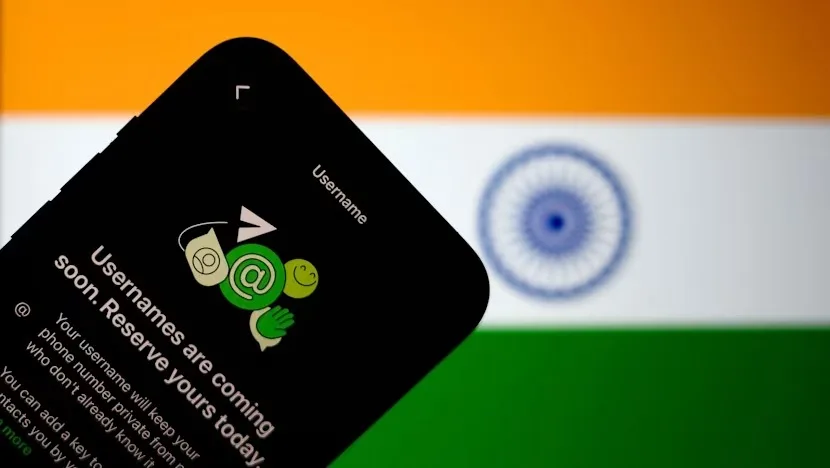
The Ministry of Electronics and Information Technology (MeitY) is considering introducing uniform standards for messaging platforms operating in India amid concerns over WhatsApp’s proposed username feature, according to a report.
Officials are examining whether a common regulatory framework should govern features offered by messaging services such as WhatsApp, Telegram, Signal and other platforms to ensure consistent rules across the sector.
The development comes after the government expressed concerns that WhatsApp’s planned username feature could increase the risk of impersonation, online fraud, phishing and so-called digital arrest scams.
WhatsApp is reportedly working on a feature that would allow users to connect using unique usernames instead of sharing their phone numbers. The feature is intended to offer greater privacy by enabling communication without revealing personal contact details.
However, government officials believe the feature could create challenges for law enforcement agencies and make it easier for fraudsters to conceal their identities.
According to the report, officials fear that usernames could be misused for impersonation, financial fraud and other cybercrimes, particularly given WhatsApp’s large user base in India.
The government is also looking at creating uniform standards for all messaging platforms so that decisions on specific features have a clear legal basis.
Officials have reportedly argued that authorities cannot prevent one platform from offering a feature while allowing similar features to remain available on competing services without a common regulatory framework.
The proposed standards would seek to ensure that all messaging platforms are governed by the same rules and compliance requirements.
The issue gained momentum after MeitY issued notices to WhatsApp, Telegram and Signal seeking details about their username-based features and associated safeguards.
WhatsApp and Telegram have reportedly submitted their responses, outlining the security measures built into their systems. The government is currently reviewing these submissions.
Signal, which also received a notice from the ministry, is yet to submit its response.
Meanwhile, Zoho founder Sridhar Vembu recently announced that the company would disable the username-based account feature on its messaging platform Arattai to comply with the proposed regulatory changes.
Messaging platforms in India currently operate under the Information Technology Act, 2000, and the Information Technology (Intermediary Guidelines and Digital Media Ethics Code) Rules, 2021.
Under these provisions, intermediaries are required to exercise due diligence, cooperate with law enforcement agencies and comply with lawful government orders.
However, the existing legal framework does not prescribe uniform standards regarding specific platform features such as username-based communication.
Officials believe this regulatory gap needs to be addressed as messaging platforms continue to introduce new privacy and identity-related features.
The government’s concerns come amid a rise in cyber fraud cases, including impersonation scams, phishing attacks and digital arrest frauds reported across the country.
Authorities are assessing whether username-based identities could make it more difficult to trace offenders and investigate cybercrime cases.
The proposed framework, if implemented, could establish common rules for messaging services while balancing user privacy, platform innovation and law enforcement requirements.
The government is expected to hold consultations with messaging platforms and other stakeholders before taking a final decision on the proposed standards.