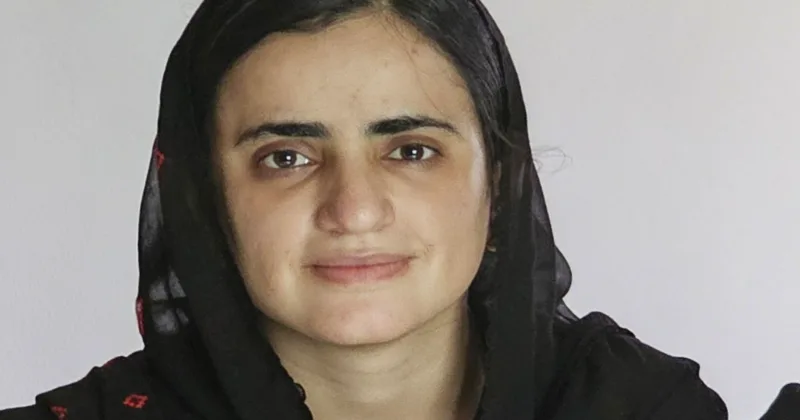
Human rights experts affiliated with the United Nations Human Rights Council have expressed concern over the life sentences handed to Baloch rights activist Dr Mahrang Baloch. They have emphasised that counter-terrorism laws and murder charges have been misused to restrict peaceful protest or freedom of expression.
In a statement issued from Geneva, the independent experts said they were concerned about the sentencing of Dr Mahrang Baloch. These experts called on Pakistani authorities to ensure the protection of the rights of detained human rights defenders. They stressed that anti-terrorism legislation should not be employed to suppress peaceful civic and political activities, according to The Balochistan Post.
The development comes weeks after a delegation from the Baloch National Movement (BNM), led by its chairman Dr Naseem Baloch, participated in the 62nd session of the United Nations Human Rights Council in Geneva. According to BNM, the delegation attended conferences and held meetings with UN special rapporteurs and human rights officials.
BNM said that during those meetings it raised concerns regarding alleged human rights violations in Balochistan, including the imprisonment of Dr Mahrang Baloch. The delegation also highlighted the misuse of anti-terrorism legislation, enforced disappearances, collective punishment and other reported rights-related issues in the region.
According to the organisation, UN officials informed the delegation that they would engage with relevant special procedures to assess the possibility of issuing a joint communication or statement regarding Dr Mahrang Baloch’s case and the broader human rights situation in Balochistan.
Following the UN experts’ statement, BNM’s Foreign Department welcomed the remarks, describing them as a reflection of growing international concern over the human rights situation in Balochistan.
UN Human Rights Experts Express Concern
In a statement, the department said international attention to legal proceedings against Baloch human rights activists represented an important step towards accountability and justice. It added that BNM had, over an extended period, engaged with various UN human rights mechanisms, independent experts and relevant institutions, while providing documentation relating to alleged human rights violations in Balochistan.
The organisation said the latest development formed part of broader diplomatic and human rights advocacy efforts aimed at highlighting concerns in the region at the international level.
BNM also called on the international community, the UN and human rights organisations to continue monitoring the situation in Balochistan. They should take measures to protect human rights defenders and encourage Pakistan to uphold its international human rights obligations.
The statement comes amid continuing international scrutiny of legal proceedings against Dr Mahrang Baloch and other Baloch activists. Several human rights organisations have previously raised concerns about the cases and called for fair trial guarantees and respect for fundamental rights.
Fair Trial, Due Process Not Followed
Meanwhile, within Pakistan, opinion is sharply divided in the legal fraternity and human rights defenders about the way in which Dr Mahrang Baloch’s trial which some termed as farcical. Many lawyers criticized her trial and subsequent sentencing as a violation of specific provisions of the Pakistan Constitution. Article 10A of the Constitution says that if a person is facing any criminal charge, he or she should be “entitled to a fair trial and due process’’.
In a recent podcast on her official YouTube channel, senior journalist Munizae Jahangir, gave a detailed analysis of the life imprisonment awarded by an Anti-Terrorism Court (ATC) to Baloch Yakjehti Committee (BYC) leaders Dr Mahrang Baloch and Sibghatullah Shahjee. Munize is the daughter of late Asma Jehangir, an internationally renowned human rights activist.
The discussion featured Supreme Court senior advocate and Pakistan Bar Council member Munir Ahmed Kakar, and Balochistan Bar Council Vice Chairman Jaideen Dashti. Both lawyers questioned the trial and the judgment, arguing that they were inconsistent with the constitutional guarantee of a fair trial under Article 10A of the Constitution. The lawyers termed Dr Mahrang Baloch’s trial failing the test of fair trial conducted in a manner that due processes are followed.
The verdict triggered a strong public and legal reaction in Balochistan and Sindh. Traders observed a province-wide shutter-down strike in Balochistan, while the Sindh Bar Council described the judgment as being contrary to the principles of law and justice. Prominent political leaders from the province have also condemned the decision.