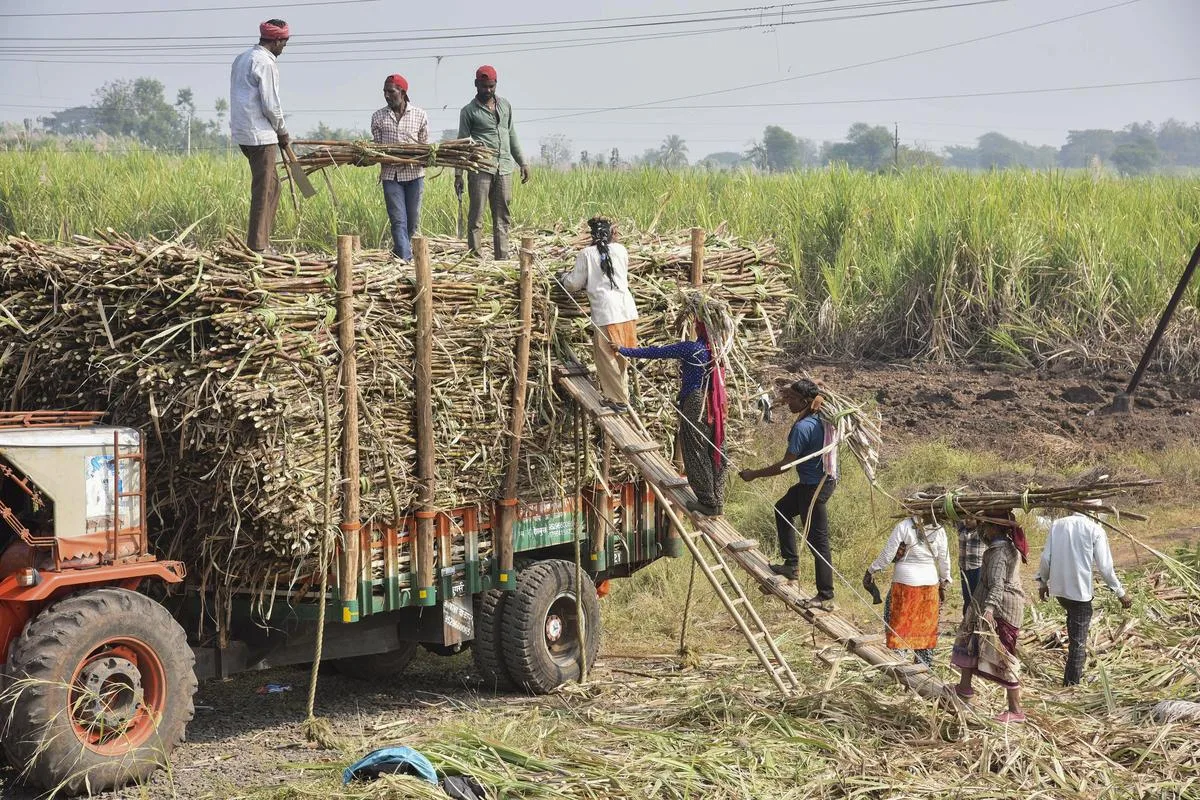
India’s ambitious Ethanol Blended Petrol (EBP) programme has significantly reshaped the country’s agricultural economy, creating new revenue streams for farmers while supporting the nation’s efforts to reduce dependence on imported crude oil. Over the last ten years, the programme has contributed more than Rs 1.6 lakh crore in additional income to farmers, turning agricultural produce into a key component of India’s clean energy strategy.
The initiative, often described as a transition from “Annadata” (food provider) to “Urjadata” (energy provider), has enabled farmers to benefit from a stable and expanding market for agricultural feedstocks used in ethanol production. By linking agriculture with the energy sector, the programme has created a sustainable ecosystem that supports rural livelihoods, strengthens the sugar industry, and contributes to national energy security.
For decades, Indian farmers have grappled with fluctuating commodity prices, surplus production, delayed payments and limited market opportunities. The EBP programme has addressed several of these long-standing challenges by creating a dependable industrial demand for agricultural produce.
The ethanol procurement framework, backed by government policies and assured purchases by public sector oil marketing companies, has provided farmers with an alternative market beyond traditional agricultural channels. This has reduced their vulnerability to market volatility and offered a more predictable source of income.
The programme has also helped absorb agricultural surpluses that would otherwise put downward pressure on prices, thereby protecting farmer earnings and improving overall market stability.
While the ethanol blending programme initially relied heavily on sugarcane-based feedstocks such as molasses, India has gradually diversified the raw materials used for ethanol production to ensure long-term sustainability and wider farmer participation.
The expansion of the feedstock basket has allowed farmers across different agro-climatic regions to benefit from the programme.
Sugarcane and its derivatives, including molasses and sugarcane juice, continue to account for a significant share of ethanol production. States such as Uttar Pradesh, Maharashtra and Karnataka remain major contributors to the ethanol ecosystem due to their large sugarcane cultivation base and extensive network of sugar mills and distilleries.
The diversion of sugarcane juice and B-heavy molasses towards ethanol production has provided sugar mills with an additional revenue source while reducing excess sugar inventories.
Maize has emerged as a major contributor to India’s ethanol production strategy. The crop is increasingly being viewed as a profitable alternative for farmers, particularly in rain-fed and water-stressed regions where sugarcane cultivation may not be viable.
The growing demand for maize-based ethanol has created new opportunities for farmers in states such as Bihar, Madhya Pradesh, Rajasthan and parts of central India. Coarse grains and other starch-rich crops are also gaining importance as feedstocks, broadening the economic benefits of the programme.
The policy framework has also enabled the use of surplus rice stocks and damaged food grains for ethanol production. This has helped monetise stocks that might otherwise remain underutilised or incur storage costs.
By converting excess grains into ethanol, the programme has created value from agricultural surplus while contributing to the country’s renewable energy goals.
One of the most visible impacts of the EBP programme has been the improvement in the financial health of India’s sugar industry.
Historically, sugar mills often faced liquidity challenges due to fluctuating sugar prices and large inventories. These financial pressures frequently resulted in delayed payments to sugarcane farmers, creating significant hardships in rural areas.
The ethanol programme has altered this dynamic by providing mills with a reliable source of revenue. The sale of ethanol to oil marketing companies generates steady cash flow, helping mills manage their finances more effectively and meet payment obligations to farmers.
As a result, cane arrears have witnessed a significant decline, enabling farmers to receive payments within statutory timelines and reducing financial stress in sugarcane-growing regions.
Timely payments from sugar mills have had a direct impact on rural households. Farmers who previously depended on informal borrowing or short-term credit due to delayed cane payments are now experiencing improved financial stability.
The regular cash flow generated through the ethanol value chain has strengthened household incomes, supported farm investments and reduced dependence on debt. This, in turn, has contributed to broader rural economic growth.
The benefits of ethanol production extend beyond fuel generation. Grain-based distilleries produce a valuable by-product known as Dried Distillers Grain with Solubles (DDGS), which is widely used as a protein-rich cattle feed.
The availability of DDGS has created an additional economic link within the rural ecosystem. Livestock farmers gain access to affordable and nutritious feed, while ethanol producers generate supplementary revenue streams.
This circular economy model ensures that agricultural resources are utilised efficiently, minimising waste and maximising value creation across sectors.
The success of the ethanol blending programme has not only benefited farmers but has also delivered substantial macroeconomic gains.
According to official estimates, ethanol blending has helped replace more than 310 lakh metric tonnes of crude oil imports, resulting in foreign exchange savings exceeding Rs 1.9 lakh crore.
These savings are particularly significant at a time when global energy markets remain vulnerable to geopolitical tensions and supply disruptions. By increasing the share of domestically produced biofuels in the transport sector, India has strengthened its energy security and reduced exposure to international crude oil price fluctuations.
The EBP programme is also a key component of India’s broader climate and sustainability agenda.
Ethanol, a renewable biofuel, burns cleaner than conventional fossil fuels and contributes to lower greenhouse gas emissions. Increased blending of ethanol in petrol supports India’s commitments to reducing carbon emissions and promoting cleaner transportation.
The programme aligns with the government’s vision of achieving energy transition while simultaneously creating economic opportunities in rural India.
India has made rapid progress in ethanol blending over the past decade. The country has moved from negligible blending levels to achieving significant milestones under the EBP programme.
The government’s target of achieving 20 Percent ethanol blending has accelerated investments in distillation capacity, feedstock diversification and supply chain infrastructure. This expansion is expected to create additional opportunities for farmers and agro-industries in the coming years.