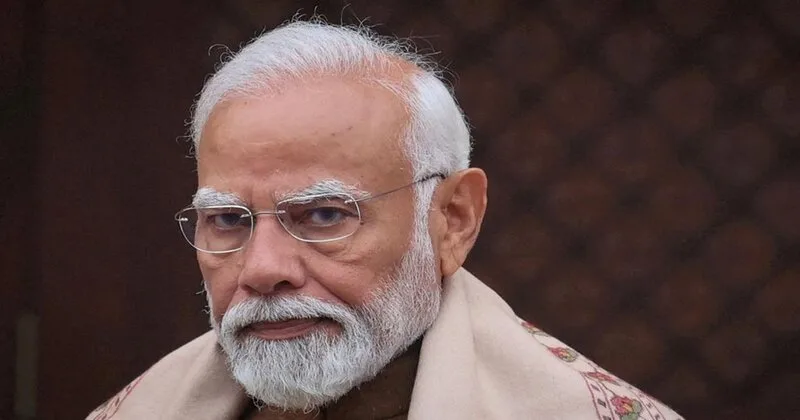
The last decade of Indian politics has been widely described as the “Modi Parva” an era marked by the leadership of Prime Minister Narendra Modi. It is characterized by ambitious reforms, assertive governance and a renewed emphasis on India’s global stature. the said decade viewed through the lens of economic transformation, social welfare, foreign policy or political communication, the Modi years have undeniably reshaped the contours of Indian public life.
It has been proved that every political era leaves a distinct imprint on a nation’s journey. The Modi Parva began in 2014 with a historic electoral mandate and continued with an even stronger mandate in 2019 represents one of the most significant phases in post-independence India. It is a period that has generated both admiration and debate, achievements and challenges, it remains central to understanding modern India.
One of the defining features of the Modi era is emphasis on governance and administrative efficiency. The slogan minimum government, maximum governance reflected an aspiration to streamline bureaucracy and improve service delivery. The expansion of digital infrastructure has played a very significant and crucial role in transformation. Initiatives in Digital India have accelerated the adoption of technology in governance, enabling citizens to access public services with greater ease and transparency. The integration of digital platforms into welfare distribution has significantly reduced leakages and improved accountability.
Another hallmark of the Modi Parva has been the focus on financial inclusion. The Pradhan Mantri Jan Dhan Yojana brought millions of previously unbanked citizens into the formal banking system. Combined with Aadhaar linked services and mobile connectivity. This initiative created a robust framework for direct benefit transfers. The Jam Trinity Jan Dhan, Aadhaar, and Mobile have been cited as one of the world’s largest financial inclusion projects.
The government’s emphasis on infrastructure development has also been noteworthy. Highways, railways, airports and urban transportation systems have witnessed significant expansion. Large-scale projects such as Bharatmala and Sagarmala have sought to improve connectivity and strengthen India’s logistical capabilities. Infrastructure investment has been viewed not as a developmental objective but as a catalyst for economic growth and employment generation.
Economic reforms have formed another critical pillar of the Modi era. The implementation of the Goods and Services Tax (GST) marked one of the most substantial tax reforms in independent India. By replacing a complex web of indirect taxes with a unified system, GST aimed to create a common national market. Similarly, the Insolvency and Bankruptcy Code sought to address longstanding challenges in resolving corporate debt and improving the business environment. These reforms faced initial hurdles, they reflected a broader commitment to structural economic transformation.
The Modi government has also prioritized social welfare initiatives. Programs such as Swachh Bharat Abhiyan, Ujjwala Yojana, Ayushman Bharat and the Jal Jeevan Mission have sought to improve quality of life, particularly for rural and economically disadvantaged populations. The Swachh Bharat campaign transformed sanitation from a policy concern into a nationwide public movement. The construction of millions of household toilets underscored the government’s focus on public health and dignity.
In foreign policy, the Modi Parva has witnessed a more confident and proactive India. The country’s diplomatic engagement has expanded across regions and continents, strengthening ties with major global powers. it maintains strategic autonomy. India’s growing role in forums such as the G20, the Quad and various multilateral institutions reflects its increasing influence in global affairs. The successful hosting of the G20 Summit highlighted India’s aspirations to emerge as a leading voice of the Global South.
National security has remained another defining aspect of this era. The government’s responses to cross-border terrorism and its emphasis on defense modernization have projected an image of assertiveness. The abrogation of Article 370 in Jammu and Kashmir represented one of the most consequential political decisions of the decade. it has generated intense debate while fundamentally altering the region’s constitutional status.
A unique feature of the Modi Parva has been the role of communication in governance. Prime Minister Modi’s ability to connect directly with citizens through radio broadcasts, social media platforms and public interactions has transformed political engagement. Initiatives such as Mann Ki Baat have created a direct channel of communication between the leadership and the people, strengthening public participation in national discourse.
However, no political era is without its challenges. Researchers, critics and thinkers have raised concerns regarding unemployment, agrarian distress, social polarization and the balance between economic growth and social equity. Questions have also been raised about institutional autonomy, freedom of expression, and the quality of democratic debate.
These concerns form an important part of the broader conversation surrounding the Modi era and underscore the need for continuous democratic engagement. The COVID-19 pandemic presented one of the greatest tests of governance during this period. India’s response included large-scale vaccination drives, welfare measures and efforts to strengthen healthcare infrastructure. While the pandemic exposed systemic vulnerabilities, it also demonstrated the country’s capacity for large-scale mobilization and resilience.
The Modi Parva must therefore be understood as a complex and transformative chapter in India’s democratic journey. It is an era that has sought to redefine governance, accelerate development and position India as a significant global actor. Supporters view it as a period of decisive leadership and national resurgence, while critics emphasize the need for greater inclusivity and institutional balance. Both perspectives contribute to a richer understanding of its impact.
History ultimately judges political eras not by their intentions but by their enduring consequences. The Modi Parva has already left an indelible mark on India’s political, economic, and social landscape. As India advances toward its aspiration of becoming a developed nation in the coming decades, the policies, reforms and debates of this period will continue to influence the country’s trajectory. Regardless of political preferences, one conclusion appears inescapable, the Modi Parva has become a defining chapter in the story of contemporary India, shaping both the nation’s present realities and its future possibilities.