In every era, society is shaped not merely by thinkers and speakers, but by those rare individuals who choose to live their convictions. Swami Dipankar Ji is one such individual.
For more than 1,200 days, he has been undertaking a remarkable Bhiksha Yatra across villages, towns, and cities, carrying with him a message that is both simple and profound: a society divided by caste can never realize its full strength, while a society united by mutual respect can achieve extraordinary heights.
At a time when social divisions often dominate public discourse, Swami Dipankar Ji has chosen to address the issue not from a stage, but from the ground. His journey is not driven by publicity or recognition. It is driven by a sincere desire to reconnect communities, revive social harmony, and remind people of their shared cultural and spiritual roots.
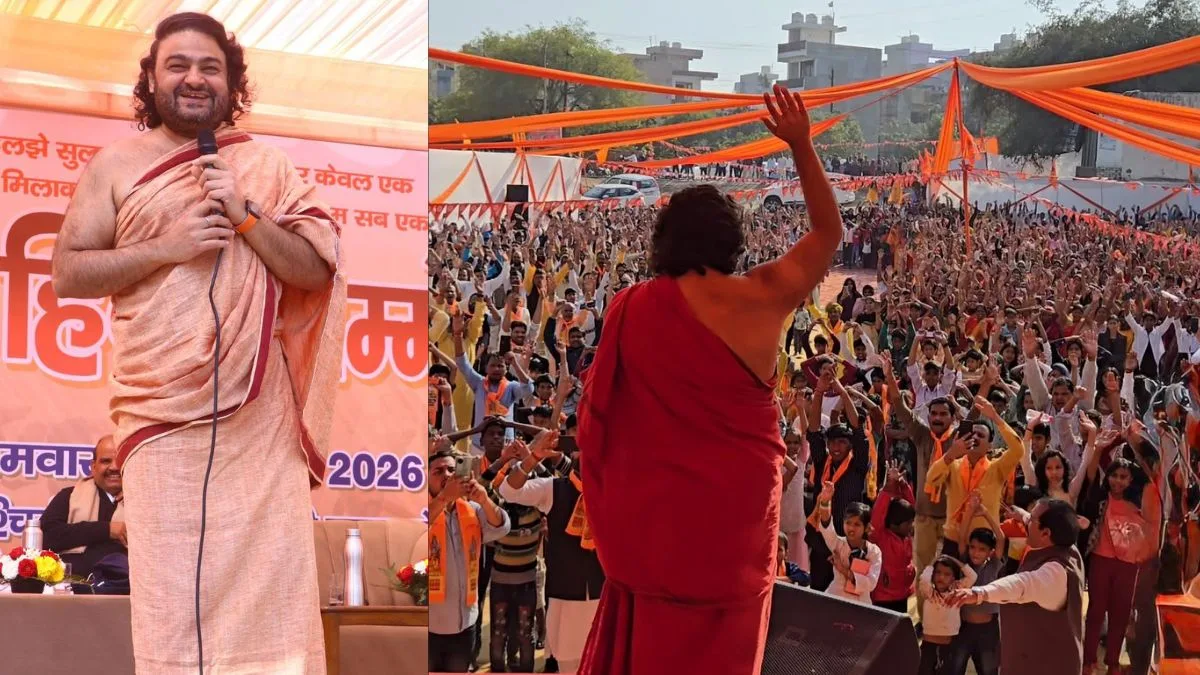
What makes this Yatra unique is its approach. Rather than debating social issues from a distance, Swami Ji enters communities, meets people where they are, listens to their concerns, shares meals, accepts bhiksha, and engages in heartfelt conversations. Through these simple acts, he sends a powerful message—that dignity belongs to every individual and that social barriers can only be broken through human connection.
The impact of this effort is visible in countless small but meaningful ways. Young people are beginning to question inherited prejudices. Communities that rarely interacted are opening channels of dialogue. Families are discussing social harmony in ways they never did before. A silent transformation is taking place—not through force or confrontation, but through understanding and awareness.
History teaches us that enduring change rarely begins with grand announcements. It begins with courage, consistency, and conviction. For over 1,200 days, Swami Dipankar Ji has demonstrated all three. Through changing seasons, physical challenges, and endless miles on the road, he has remained steadfast in his mission.
What is perhaps most inspiring is that his work is not aimed at creating followers; it is aimed at creating a stronger society. His message is not about one individual, one organization, or one community. It is about building bridges where walls once existed and nurturing a sense of belonging that transcends social divisions.
In a world where many speak about change, Swami Dipankar Ji has chosen to walk for it—literally and symbolically. Every step of his Bhiksha Yatra represents a commitment to a future where people are valued not by birth, but by their character, compassion, and contribution.
The significance of this movement extends far beyond the present moment. Years from now, when future generations look back at efforts to strengthen social unity and challenge caste-based barriers, this journey will stand as a powerful example of what determined leadership and selfless service can accomplish.
Swami Dipankar Ji’s Bhiksha Yatra is more than a physical journey. It is a moral journey, a social awakening, and a living reminder that meaningful change is still possible when someone is willing to dedicate his life to a larger cause.
The road he walks is long, but the destination is clear—a society united by respect, strengthened by harmony, and inspired by a shared sense of purpose.
The real question before us is not whether his mission will create change—it already is.
The question is whether we will choose to walk alongside that change and become a part of the story that future generations will remember.