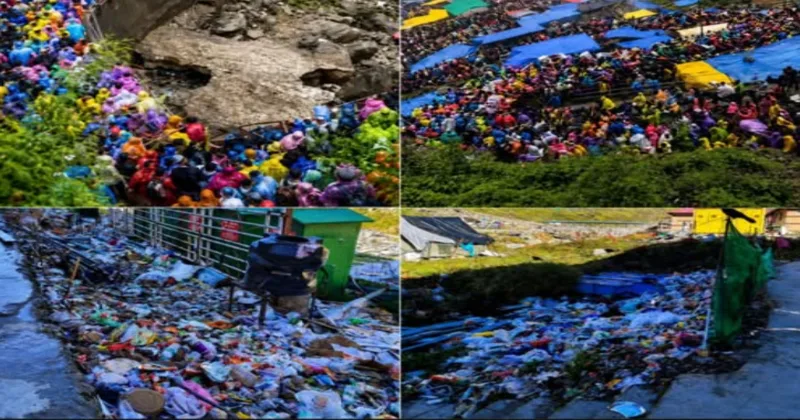
Mountain regions have long occupied a special place in human imagination. Their snow-capped peaks, dense forests, pristine rivers, and tranquil landscapes have inspired poets, pilgrims, adventurers, and nature lovers for centuries. In recent years, however, these fragile ecosystems have witnessed an unprecedented surge in tourist footfall. Improved road connectivity, the influence of social media, rising disposable incomes, and a growing desire for travel after the pandemic have transformed many mountain destinations into bustling tourist hubs. While tourism contributes significantly to local economies by generating employment and supporting businesses, the uncontrolled influx of visitors has also exposed mountain ecosystems to immense environmental pressure. The changing condition of mountain regions across India and the world serves as a warning that economic development and environmental sustainability must go hand in hand.
The Himalayan region, often referred to as the “water tower of Asia,” has experienced some of the most visible consequences of overtourism. Popular destinations such as Manali, Shimla, Mussoorie, Nainital, Leh, and several hill stations in Uttarakhand and Himachal Pradesh now receive millions of visitors annually. During peak seasons, these towns struggle to accommodate the overwhelming number of tourists. Roads remain congested for hours, public infrastructure becomes overburdened, and natural resources face unprecedented stress. Areas that once offered solitude and ecological balance are increasingly characterized by traffic jams, overcrowded markets, and expanding construction projects. The transformation has altered not only the physical landscape but also the ecological character of these mountain regions.
One of the most serious environmental impacts of increasing tourist footfall is the generation of waste. Plastic bottles, food packaging, disposable cutlery, and other non-biodegradable materials often find their way into forests, rivers, and trekking routes. Many mountain towns lack adequate waste management systems capable of handling the enormous volume of garbage produced during tourist seasons. As a result, open dumping and improper disposal have become common. Plastic waste clogs drainage channels, contaminates water bodies, and poses a threat to wildlife. The sight of litter scattered across scenic landscapes undermines the very natural beauty that attracts visitors in the first place. Moreover, decomposition processes are often slower in high-altitude environments, allowing waste to remain in ecosystems for extended periods.
Water scarcity has emerged as another pressing concern in many mountain destinations. Tourists require water for drinking, sanitation, hospitality services, and recreational activities. Hotels, resorts, and homestays consume substantial quantities of water, often exceeding the sustainable capacity of local sources. During peak tourist seasons, residents frequently face shortages as available water is diverted to meet commercial demands. Springs and streams that have sustained mountain communities for generations are increasingly under stress. Climate change has further complicated the situation by affecting rainfall patterns and reducing the reliability of traditional water sources. The combined impact of rising tourist numbers and environmental changes threatens the long-term water security of mountain populations.
Rapid and often unplanned construction represents another major challenge. To accommodate growing tourist demand, hotels, restaurants, parking facilities, and vacation homes are being built at an unprecedented pace. In many cases, construction takes place without adequate consideration of geological stability or environmental regulations. Forests are cleared, slopes are modified, and natural drainage systems are disrupted. Such activities increase the risk of landslides, soil erosion, and flash floods. The fragile geology of mountain regions makes them particularly vulnerable to these disturbances. The devastating floods and landslides witnessed in several Himalayan states over the past decade have highlighted the consequences of ignoring ecological limits in pursuit of short-term economic gains.
The environmental impact extends beyond land and water resources to biodiversity as well. Mountain ecosystems are home to a remarkable variety of plant and animal species, many of which are endemic and highly sensitive to human disturbance. Increased tourist activity can disrupt wildlife habitats, alter migration patterns, and reduce breeding success among vulnerable species. Noise pollution from vehicles, tourist gatherings, and recreational activities often disturbs animals that depend on quiet environments for survival. Trekking routes, campsites, and adventure tourism operations can fragment habitats and introduce invasive species into previously undisturbed areas. As human presence expands deeper into remote mountain regions, the ecological balance that supports biodiversity becomes increasingly fragile.
Vehicular emissions associated with tourism contribute significantly to environmental degradation. The majority of tourists travel to mountain destinations using private vehicles, leading to increased traffic congestion and air pollution. Narrow mountain roads often become clogged with cars and buses, resulting in long periods of idling and higher fuel consumption. Emissions from these vehicles degrade air quality and contribute to greenhouse gas accumulation. Black carbon particles released by diesel engines can settle on glaciers and snowfields, reducing their ability to reflect sunlight and accelerating melting. Given the critical role of mountain glaciers in sustaining river systems across South Asia, such impacts have far-reaching consequences that extend well beyond the immediate tourist destination.
The influence of social media has played a significant role in reshaping mountain tourism. Picturesque locations that were once relatively unknown can become viral attractions within days. As visitors flock to these sites seeking photographs and online visibility, many destinations experience sudden surges in footfall without the infrastructure necessary to manage them. Popular viewpoints, alpine meadows, lakes, and trekking trails often become overcrowded. In some cases, visitors venture into ecologically sensitive areas without understanding the environmental consequences of their actions. The pursuit of unique travel experiences can unintentionally place fragile ecosystems under immense pressure, highlighting the need for greater awareness and responsible tourism practices.
Local communities occupy a complex position within this changing landscape. Tourism provides valuable economic opportunities through employment, entrepreneurship, and improved connectivity. Many families depend on tourism-related income for their livelihoods. However, the benefits are often accompanied by rising living costs, resource shortages, and environmental degradation. Traditional lifestyles and cultural practices may also be affected as communities adapt to increasing commercial activity. Sustainable tourism therefore requires a balanced approach that protects both ecological integrity and community well-being. Local residents must be included in decision-making processes and empowered to participate in conservation efforts.
Addressing the environmental challenges associated with rising tourist footfall requires coordinated action from governments, businesses, tourists, and local communities. Effective waste management systems, stricter enforcement of environmental regulations, and limits on construction in ecologically sensitive zones are essential. Authorities must invest in sustainable infrastructure, including public transportation, renewable energy, and water conservation measures. Carrying-capacity assessments should guide tourism planning to ensure that destinations do not receive more visitors than their ecosystems can support. Responsible tourism campaigns can encourage travellers to minimize waste, conserve resources, respect wildlife, and follow environmentally friendly practices.
Technology can also contribute to sustainable mountain tourism. Digital permits, visitor quotas, and real-time monitoring systems can help regulate tourist numbers and reduce pressure on vulnerable areas. Eco-friendly accommodations and green certification programs can encourage businesses to adopt sustainable practices. Educational initiatives can raise awareness about the ecological significance of mountain regions and the importance of conservation. By integrating environmental considerations into tourism management, policymakers can strike a balance between economic development and ecological protection.