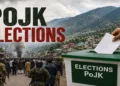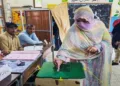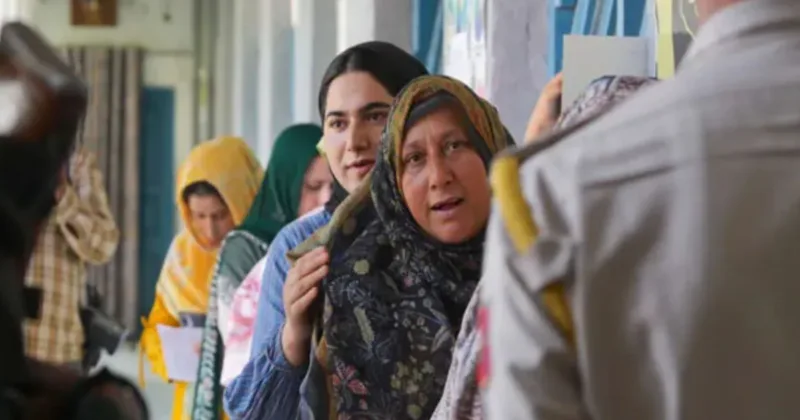
JAMMU: The general elections for the Legislative Assembly of Pakistan Occupied Jammu Kashmir (POJK) will be held on July 27 from 8am to 5pm, according to a notification. The elections will be conducted in all constituencies of the Legislative Assembly as approved by the Delimitation Commission.
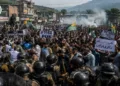
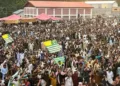
Meanwhile, hundreds of police personnel from Islamabad have been deployed to POJK in view of a protest call by the Joint Awami Action Committee (JAAC) for June 9. According to police spokesperson Taqi Jawad, the deployment was approved by the Islamabad Inspector General of Police Nasir Rizvi as part of a special security plan aimed at maintaining law and order.
The planned strike by JAAC and the deployment of the additional police forces are potentially a combination which indicates large scale violence as was witnessed during October 2025. Jawad said the personnel are being deployed with full anti-riot gear, while units from the Counter Terrorism Department (CTD), Safe City, Operations and Security Divisions have also been included in the arrangement. Further, reserve forces have been kept on standby for further deployment, if needed, he added.
Commenting on the planned June 9 strike by JAAC, Federal Defence Minister Khwaja Asif has said the demand to abolish 12 assembly seats elected from Pakistan ahead of the elections amounted to “disrupting the electoral process”. He warned that raising such demands before polling would otherwise be seen as “blackmail”, arguing that electoral matters should be settled through a democratic mandate. Referring to representation from Pakistan-based constituencies, Asif said Sialkot city and tehsil alone return one seat to the assembly, with other constituencies spread across Pakistan.
Lopsided, Unfair Arrangement of Representation
The 53-member assembly of POJK has 12 seats reserved for refugees, people who fled Jammu & Kashmir in 1947 as also 1965 and are now scattered across Pakistan. Six seats represent refugees from the Jammu region (4,34,000 people) and six from the Kashmir Valley (30,000 people), a very lopsided arrangement that JAAC calls patently unfair.
The issue of abolition of 12 seats for refugees has long been a key demand of the JAAC which says that these seats are used for political manipulation. In the past, it has often been seen that whichever party is ruling in Islamabad manages to get most of these seats.
The ruling Pakistan Muslim League (Nawaz) of Prime Minister Shehbaz Sharif expects to grab most of these seats. That is the reason for Federal Defence Minister Khwaja Asif’s comments regarding the reserved seats for refugees. However, the Pakistan People’s Party (PPP), which is supporting Sharif from outside, is not that keen for the retention of these seats.
Election Schedule for POJK Assembly
As per the election schedule announced on June 5, nomination papers will be submitted from June 9 to June 19 until 4pm. Scrutiny of nomination papers will take place on June 20. Candidates aggrieved by the acceptance or rejection of nomination papers may file appeals before the Election Commission between June 21 and June 24.
Hearings on the appeals will be conducted on June 26 and June 27, while decisions on appeals will be announced by June 28. Candidates will be able to withdraw their nomination papers by June 30, while the final list of candidates will be published on July 1. Election symbols will be allotted on July 2, after which the official campaign process will move into its final phase.
According to the notification, polling will be held on July 27 from 8am to 5pm.
The Election Commission said the election schedule has been issued, while all necessary arrangements for the polls are being finalised in consultation with relevant institutions.
With the issuance of the schedule, the process of appointing returning officers (ROs) will begin, officials said.
The commission added that preparations are underway to ensure transparent, orderly, and impartial elections under judicial supervision. Security arrangements are also being finalised, with the deployment of additional personnel from the armed forces, Rangers, and other law enforcement agencies expected to maintain law and order during the polls.
More than 3.4 million voters are expected to exercise their right to vote, while over 500,000 new voters have been added to the electoral rolls, according to the Election Commission.