Mumbai: The deaths of four members of the Dokadia family in Pydhonie have taken a critical turn after fresh forensic findings suggested abnormal green discoloration of internal organs, says a report in the Maharashtra Times. The said findings raise the possibility that the family may have been administered or exposed to a toxic substance.
With these developments, the investigation has intensified and is now probing multiple angles, including a possible link to an older criminal case in which the deceased was a key witness.
Forensic clue: What green organs signify in medical science
Preliminary autopsy findings revealed that the brain, heart and intestines of the victims had turned green, an observation that experts say is not consistent with routine food poisoning. Scientific literature supports this concern. A 2024 study from Goethe University (https://www.researchgate.net/scientific-contributions/Johannes-Baumgarten-2281685300) researchers notes that “blue-green discoloration of organs during autopsy may point towards ante mortem administration of certain xenobiotics”, meaning foreign chemical substances introduced into the body before death.
Further research based on autopsy case reviews shows that systemic exposure to substances such as methylene blue or similar agents can lead to dark blue-green discoloration of organs, particularly the brain and heart. These substances circulate through the bloodstream and accumulate in tissues, producing visible colour changes.
Another documented pattern highlights that the organs affected often indicate the route of exposure, with widespread multi-organ discoloration suggesting systemic poisoning rather than localized food contamination.
Crucially, forensic experts distinguish this from natural decomposition. While postmortem changes can produce greenish tones, they typically begin externally and progress gradually, unlike the early, multi-organ internal greening seen in this case, which points toward pre-death toxic exposure.
Poisoning angle strengthens as probe widens
Investigators now believe that deliberate poisoning or ingestion of a toxic agent cannot be ruled out. Reports of morphine traces in one victim have added to suspicion, as such substances are not associated with accidental food spoilage. However, the probe officials stress that final conclusions will depend on detailed toxicology and histopathology reports, which are still awaited.
In sudden or unexplained deaths, toxicology and histopathology reports aren’t “routine lab tests”, rather they’re forensic-grade, legally defensible analyses. That’s why they take time. In the Dokadia family death case, the wait for toxicology and histopathology reports is not unusual because these are not quick lab checks but layered, legally sensitive investigations.
Samples from multiple organs and fluids have to be carefully collected, preserved, and documented to maintain evidentiary value. Toxicology then involves broad screening followed by highly specific confirmatory tests to detect and quantify any poison or substance, which can take time given the wide range of possibilities.
Histopathology, meanwhile, requires tissue fixation, processing, slicing, staining, and microscopic examination over several days. Finally, experts must correlate all findings with autopsy observations to arrive at a cause of death that can stand up in court, which often slows the process further, especially in complex or suspicious cases.
FDA seeks answers on toxic or sedative substances
The Food and Drug Administration has sought a detailed forensic laboratory analysis to determine whether the food consumed contained toxic or sedative compounds.
Mumbai Police are also awaiting these reports to establish the exact cause of death. Investigators are examining all possibilities, including whether the family may have been administered poison, ingested it unknowingly, or been exposed through contaminated food. Statements of relatives are being recorded to assess whether any personal distress or other factors could be relevant.
Biryani–watermelon link under probe, but key gap remains
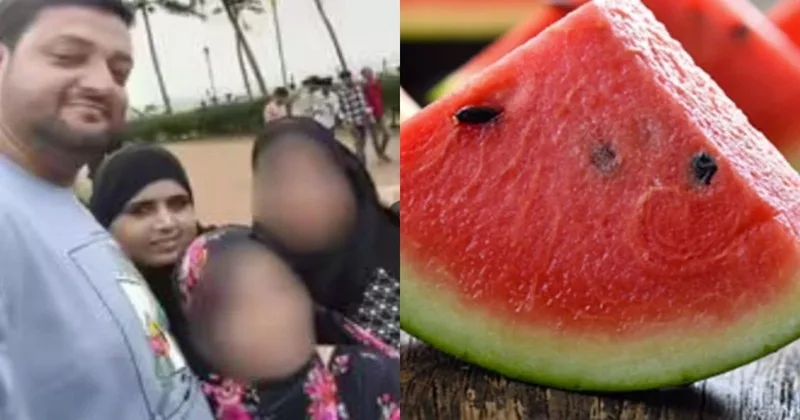
On the night before the incident, the family consumed chicken biryani followed by watermelon. Soon after, they developed severe symptoms and were admitted to JJ Hospital, where they later died.
While food samples all likely items in the Dokadia family kitchen have been collected and either tested or been set up on test processes, investigators face a major hurdle. The original source of the watermelon remains untraceable, with police unable to find any vendors selling watermelon in the vicinity during follow-up inquiries. This has made it difficult to determine whether the fruit itself was contaminated.
Although leftover biryani showed fungal growth after two days, experts note that such spoilage does not explain the unusual forensic findings, particularly the organ discoloration.
Witness angle: 7-year-old case under scrutiny
A key development in the investigation is the examination of a 2019 fraud case registered under DN Nagar Police Station, in which Abdullah Dokadia was reportedly a crucial witness.
The case involves allegations against a real estate developer over financial disputes that involved charges of defrauding a woman buyer on whose behalf Abdullah Dokadia had reportedly connected with the accused. With the matter scheduled for hearing in 2026, investigators are now probing whether Dokadia’s role as a witness could have created a motive.
While no direct connection has been established, officials have kept this angle open and are examining all possible links between past legal involvement and the present unfortunate and shocking deaths of all four members of the Dokadia family.
Investigation intensifies with all angles open
With forensic anomalies, a possible toxic agent, an untraceable food source, and a potential legal motive, the case has evolved into a complex investigation. Authorities are exploring scenarios ranging from accidental poisoning to deliberate administration, while awaiting definitive laboratory confirmation.