In a shocking incident of assault and nonpayment of salaries to Jharkand based workers from tribal community came to light utter shock to all who believe Vasudeva kudumbagam and showing love to all. This happened when there have been allegations of aversion against North Indian guest workers amid talks of North -South divide by Dravidian parties in Tamil Nadu.
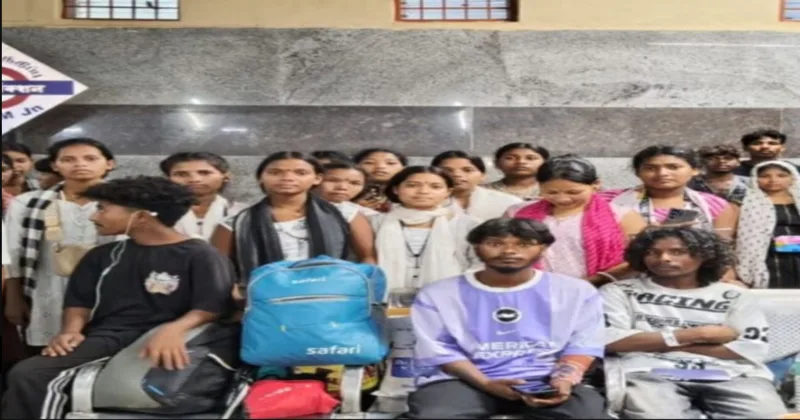
According to media reports and local sources, a group of around 100 migrant Adivasi workers from Jharkhand’s West Singhbhum district have returned home over the past few days. They alleged they were subjected to physical assault as well denial of wages at a textile factory in Tamil Nadu’s Namakkal which is known for lorry building and Egg production hub.
https://x.com/shorts_91/status/2048318022084128881?s=20
One of the affected workers, Anil Samad, a resident of the Chakradharpur area, shared his ordeal to media persons saying “Many youths have been working there for the last couple of years. We went there three or four months ago. We had faced problems with food, rules and behaviour of staff. When we raised our concerns and told them about leaving the factory, they started assaulting us and warned us not to leave”.
The migrant workers complained of physical assault, harassment, illegal confinement, and unpaid wages. Some said they were being beaten when they tried to leave while some women migrant guest workers said incidents of abuse, and many funding their own return journey. One of the workers said “They slapped me first and then beat me with sticks and machine parts. My hand swelled up”. His medical expenses were met by fellow workers.
Following the videos and testimonies of abuse at a Tamil Nadu textile unit went viral in social media, Jharkhand Chief Minister Hemant Soren directed the administration to probe the allegations. Tamil Nadu labour department confirmed the workers were recruited three to four months ago and began coordinating their return after the matter was reported on April 22. Officials said nearly half of the 250–300 Jharkhand workers at the Namakkal factory have reached home, with the rest expected soon.
The whole episode stems up due to systemic vulnerabilities faced by interstate or migrant guest workers, including reliance on recruitment agents, lack of effective grievance redressal, and limited on-ground protection. The alleged illegal confinement, violence, and denial of wages indicate strong grounds for labour law violations and human rights, with parallels to previous exploitation cases in India’s textile sector. It is expected that finding of a through probe would take authorities to revisit laws and policy on recruitment regulation and interstate labour coordination.
According to workers who recalled besides being slapped, beaten with logs, sticks and machine parts, and harassed whenever they voiced concerns over poor quality of food, rules, and staff behaviour. Some workers had escaped by climbing walls or sneaking out, later paying for tickets themselves. They borrowed money in some cases while others travelled without tickets and faced further ill-treatment during the journey.
The lucky escaped workers said “We did not receive our pending wages. We had to arrange money for tickets on our own, sometimes borrowing from family members”.
The workers were promised by recruitment agents of decent wages, adequate food, and decent living conditions. Instead, the workers alleged that they were locked inside the factory, given inadequate food, and threatened to continue working under duress. This discrepancy between recruitment promises and workplace reality underscores a pattern of exploitation in informal labour migration channels.
According to TN labour department sources “the workers had been recruited around three to four months ago by an agent to work at the Namakkal unit, where they were engaged in textile production. on April 22 State Migrant Control Room was reported about the violations. Immediately Labour Department contacted workers and coordinated their return”. The officials said that the workers had complained of lack of basic facilities and ill-treatment, when contacted. They confirmed that they had boarded a train from Salem to return to Jharkhand.
Critics say “It is shocking exploitation of poor, illiterate tribal man and women from Jharkand in Tamil Nadu. It is not only inhuman and clear violation of human rights besides putting the TN in a bad light. There were incident of exploitation and cheating of Indians of decent jobs abroad but ended up in cleaning toilets or manual work, grazing cattle by agents. Now the same had happened in TN by greedy agents. They should be identified and brought before law”.