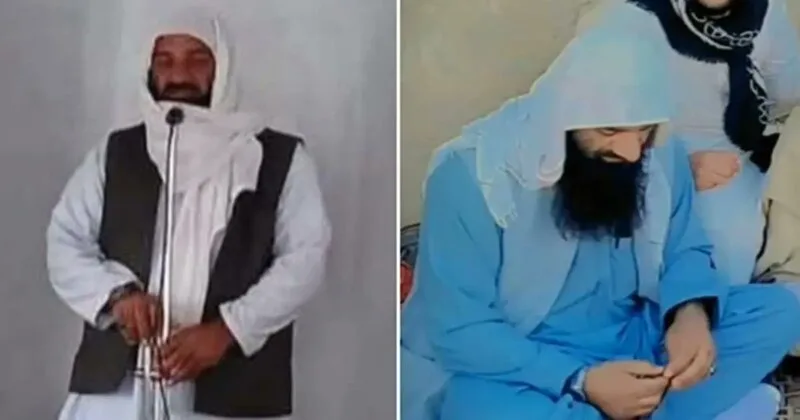
Islamabad: Pakistan’s long-protected terror infrastructure has suffered yet another setback with the killing of Sheikh Yousuf Afridi, a key Lashkar-e-Taiba (LeT) commander, who was gunned down by unknown assailants in Khyber Pakhtunkhwa province. Reports indicate that multiple rounds were fired at Afridi, leaving him with no chance of survival. Investigators are treating the incident as a planned and targeted assassination.
Afridi was not an ordinary foot soldier. He was considered a significant operative in LeT’s network in northwestern Pakistan and was reportedly close to Hafiz Saeed, the UN-designated terrorist and mastermind linked to the 26/11 Mumbai terror attacks. His death sends a strong signal that even senior extremist figures are no longer beyond reach.
The assassination adds to a growing list of mysterious attacks on wanted terrorists inside Pakistan over the past few years. What was once seen as a sanctuary for internationally designated extremists is increasingly becoming a battlefield of shadows, where unknown gunmen are systematically eliminating notorious operatives.
Only last month, Lashkar co-founder Amir Hamza narrowly survived a shooting outside a television station in Lahore. Earlier, Jaish-e-Mohammed chief Masood Azhar’s brother, Muhammad Tahir Anwar, reportedly died under suspicious circumstances. In March last year, Abu Qatal alias Qatal Sindhi, another senior LeT terrorist and close aide of Hafiz Saeed, was killed in Pakistan. Qatal was allegedly linked to the deadly Reasi terror attack in Jammu and Kashmir in 2024.
Security experts believe these killings expose deep vulnerabilities within Pakistan’s internal terror ecosystem. Some point to possible factional rivalries, revenge operations, or intelligence-driven eliminations. Others argue that terror groups once nurtured for strategic purposes are now facing blowback from within.
The pattern is difficult to ignore. Since 2023, several terrorists linked to Lashkar-e-Taiba, Hizbul Mujahideen, and Jaish-e-Mohammed have either been shot dead, gone missing, or died under suspicious circumstances. In 2026 alone, reports suggest nearly 30 terror-linked individuals have been targeted in cities including Lahore, Karachi, and other parts of Pakistan.
For years, Pakistan has faced global criticism for allowing terror outfits to operate openly under different names. The latest assassinations indicates that those networks are now under unprecedented pressure.